
3 signs your child’s new tooth is coming in behind the baby one
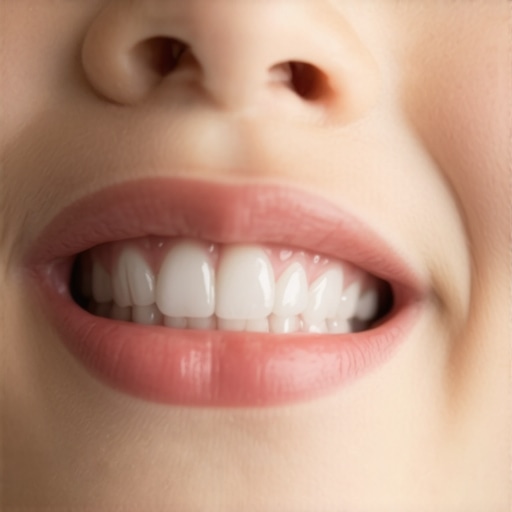
It was one of those mornings where I noticed my little one’s face was a bit more squished than usual, and suddenly I was hit with a realization—could it be that her new tooth isn’t coming in the way I expected? That lightbulb moment made me wonder: How do you really know if your child’s new tooth is coming in behind the baby tooth instead of pushing through normally? I’ve been there, scrambling for answers, trying to differentiate between normal teething fuss and something that needs professional attention.
Why Recognizing the Signs Early Saves You Unneeded Worry
The truth is, misinterpreting these signs can lead to unnecessary panic or delayed treatment. Knowing what to look for can prevent more significant issues down the road, like misaligned teeth or discomfort that can impact your child’s bite and confidence. Over the years, I’ve learned that catching these signs early is crucial, especially since the process can sometimes be sneaky and hard to spot until it causes noticeable problems. According to child dental specialists, early detection of eruption issues can make a big difference in their long-term oral health. (source)
Is It Really a Big Deal If I Miss the Signs?
Honestly, I made a mistake early on—I thought slight swelling was just typical teething pain. But ignoring subtle signs can sometimes delay addressing underlying alignment challenges. Trust me, being proactive has saved me from more extensive (and expensive) dental interventions later. So, I encourage you to stay vigilant. If you’re wondering whether your child’s eruption process is proceeding as it should, keep reading—because recognizing the early signs can help you make informed decisions and keep your child’s smile healthy and bright.
Observe Carefully When Your Child Shows Signs
Start by paying close attention to your child’s mouth during routine brushing or playtime. Use a clean finger or a small mirror to gently feel around your child’s gums and teeth. I recall a time when my child refused to eat certain foods, and I noticed her gums were slightly swollen and tender. This prompted me to check further, revealing a new tooth trying to break through but encountering resistance.
Steps to Feel for Potential Obstructions
Gently palpate the area where a new tooth should appear. If you notice a hard bump or an area that feels different from neighboring teeth, it may be a sign that the tooth is trapped behind the baby tooth. Be patient and thorough—we’re searching for irregularities that might cause future alignment issues.
Recognize the Red Flags of Impacted Teeth
Look for persistent swelling, redness, or pus around the area, which are signs of infection or impaction. If your child complains of pain or if you observe that the gum tissue seems to be bulging unnaturally, it’s a clear indicator to act quickly. During my own experience, I noticed a slight discoloration and a bump that didn’t go away after a few days; this was a sign I had to consult a professional.
Identify Difficulty in Tooth Eruption
Note if there is a delay in the appearance of the tooth compared to typical eruption timelines. Usually, adult teeth start emerging between ages 6 and 7, but delays beyond this can suggest impaction or misalignment. Using a simple chart or talking to your child’s dentist can help you determine if the process is on track.
Utilize Home Checks in Conjunction with Professional Exams
While routine at-home checks can catch early signs, nothing replaces a professional dental assessment. During a visit, the dentist may take X-rays—think of these as the ultrasound of oral health—that reveal teeth hidden beneath the gum line or misaligned. I remember a dentist showing me X-ray images confirming my child’s lower canine was stuck behind the baby tooth, allowing for early intervention to prevent future problems.
Prep Your Child for the Dental Visit
Make the appointment less intimidating by explaining what will happen in simple terms. For instance, describe the X-ray as a special photo that helps the dentist see what’s hiding inside the gums. Calm reassurance can help your child cooperate during examinations, making the process smoother for everyone.
Tackle the Issue with Professional Solutions
If impaction or misalignment is confirmed, your dentist might recommend procedures such as extraction or orthodontic treatment. For example, in some cases, a crown may be used to protect a weakened tooth or to set the stage for realignment—these are explained in this guide on crowns. Invisalign, a less invasive alternative to traditional braces, can gently shift teeth into their proper positions—check out Invisalign vs. braces for comparison.
Follow Up Regularly to Ensure Proper Eruption
After intervention, schedule consistent checkups to monitor progress. Keeping track of your child’s oral development helps prevent future complications and ensures a healthy, aligned smile. I learned that being proactive with regular visits allowed me to address problems before they became more serious, saving time and discomfort.
Many people believe that family dentistry is solely about routine cleanings and basic checkups, but in reality, it encompasses a broad spectrum of advanced procedures that require nuanced understanding. One common myth is that crowns are purely cosmetic; however, crowns play a vital role in restoring function and preventing further damage. Overestimating their simplicity can lead to delays in needed treatment, which may result in more complex and costly procedures down the line.
Another misconception is that Invisalign is only suitable for minor alignment issues. Contrary to this belief, modern orthodontic technology can address a wide range of complex cases. However, many still overlook the importance of proper case selection, which can lead to suboptimal results or prolonged treatment times.
People often assume that maintaining oral health revolves around brushing and flossing alone. While essential, the nuances of oral microbiome management and dietary choices are equally crucial. Ignoring these subtleties can allow hidden issues like secondary caries or gum disease to develop unnoticed, undermining long-term health.
Are Family Dentistry and Cosmetic Procedures Overrated?
Let’s dig deeper: many think cosmetic procedures like veneers are purely aesthetic, but they can also strengthen teeth and improve function. For example, a veneer can protect a weakened tooth from fracture, extending its lifespan significantly. Advanced restorative options like crowns and veneers are often misunderstood as unnecessary or purely cosmetic, yet they are essential tools in the comprehensive management of oral health.
Beware of the trap where patients delay seeking professional advice, believing they can handle minor issues at home. This can lead to irreversible damage, especially when dealing with impacted teeth or subtle signs of gum disease. Always consult with a qualified family dentist to navigate the complexities of modern oral health care effectively.
Considering how quickly dental technology evolves, staying informed is key. For instance, comparing Invisalign to traditional braces reveals that personalized solutions can enhance comfort and outcomes, but only if chosen with expert guidance. Have you ever fallen into this trap? Let me know in the comments.
In conclusion, understanding the nuanced truths behind family dentistry and advanced treatments empowers you to make better decisions for your family’s oral health. Never hesitate to explore beyond the surface—your smile’s future depends on it.
,
Investing in the Right Tools Ensures Longevity
Maintaining excellent oral health isn’t just about flossing and brushing; it involves using precise tools that stand the test of time. I personally rely on a rechargeable electric toothbrush with adaptable heads, such as the Sonicare DiamondClean, because its sonic vibrations effectively disrupt plaque and are gentle on enamel. These brushes make it easier to reach difficult areas, ensuring a thorough clean that manual brushes can’t match. Regularly replacing the brush heads follows the manufacturer’s recommendations—typically every three months—to preserve cleaning efficiency and prevent bacteria buildup.
Keep Equipment in Prime Condition
Cleaning your tools thoroughly after each use is essential. For electric toothbrush heads, rinse thoroughly and allow them to air dry. For floss or interdental brushes, rinse with warm water and store in a dry place. This routine prevents bacteria accumulation and extends the lifespan of your devices, which in turn supports consistent oral hygiene results.
Harnessing the Power of Technology
Modern software can dramatically improve your long-term oral health strategy. I use dental management apps that track appointments, record oral health notes, and remind me about preventive care. For example, a service like Dental Monitoring allows for remote check-ins with your dentist through images you upload, enabling early detection of potential issues without frequent office visits. Embracing digital diagnostics like at-home digital sensors or smart intraoral cameras can also help you monitor changes over time, catching anomalies before they become significant problems.
How do I maintain Invisalign over time?
If you’re undergoing Invisalign treatment, maintaining the aligners is crucial. Rinsing them daily with clear, mild soap and a soft toothbrush keeps them free of plaque and bacteria. Additionally, storing them in a dedicated case when not wearing prevents damage or loss. Regularly inspecting your aligners for cracks or cloudiness is vital—any deterioration can compromise their effectiveness. To stay on track, consider using a 2-minute weekly cleaning routine with a specialized Invisalign cleaner, which prevents buildup and keeps your trays clear and odor-free. For more tips on maintaining your Invisalign, see this guide.
Preparing for Future Trends
Looking ahead, technological advancements like AI-driven diagnostic tools and 3D-printed crowns will transform long-term dental care. Devices that integrate with smartphone apps can provide real-time feedback on your brushing technique or identify early signs of cavities, making consistent maintenance easier. Additionally, innovations in crown materials that mimic natural enamel are prolonging the lifespan of restorations, reducing the frequency of replacements. Staying informed on these developments allows you to adopt practices that will keep your smile healthy for years to come.
How do I keep my dental restorations lasting longer?
To prolong the life of crowns or other restorations, avoid biting into extremely hard foods and maintain regular checkups. Using protective nightguards if you grind or clench can minimize wear. Regular professional cleanings also prevent plaque buildup around dental work that could lead to decay or gum disease damaging the integrity of your restorations. Remember, quality materials like porcelain or zirconia are designed to last, but their longevity depends on your maintenance routine—so stay vigilant.
In my experience, combining high-quality tools with consistent care and embracing advancing technologies ensures your dental health remains resilient. Trying a simple tip like adding a nightly rinse with fluoride mouthwash can bolster your defenses against cavities and strengthen your enamel, especially when integrated with your daily routine. Ready to elevate your dental care? Incorporate one of these advanced tools or routines today and watch your smile flourish.
The Priceless Lessons I Discovered About Family Dentistry and Oral Care
- Patience is your best friend—sometimes, checking for impacted teeth requires gentle persistence rather than hurried visits. My own experience taught me that a calm, thorough approach reveals more than we expect, saving future trouble.
- Early intervention isn’t just a catchphrase; it’s a game-changer. Catching signposts like swelling or misalignment early offered my family big savings and healthier outcomes, reinforcing the importance of vigilance in dental health.
- Not all myths are myths—some misconceptions can delay crucial treatment. I learned to question assumptions about teething and eruption timelines, which empowered me to seek timely professional advice.
My Toolbox of Trusted Resources for Family Smile Success
- FamilyDentistPro’s Guides: Their comprehensive articles on crowns and Invisalign helped me understand complex procedures and set realistic expectations, ultimately guiding better decisions.
- Dental Monitoring Apps: Using digital tools for remote check-ins kept my family’s dental health on track without frequent office visits—tech truly simplifies oral care routines.
- Expert-Oral Health Blogs: Reading diverse perspectives from credible sources enhanced my understanding of evolving trends like minimally invasive treatments and preventive focuses, keeping my family ahead of potential issues.
Embrace Your Parenting Power for Bright Smiles
Every stage of your child’s dental journey presents unique opportunities to foster healthy habits and catch concerns early. Remember, your proactive involvement can turn potential challenges into confidence-boosting victories. Your next step could be just a routine checkup away—so why not take that leap today? Do you have a story about early signs of eruption or a dental win to share? Let me know below and inspire others on their journey to healthier smiles!
}