
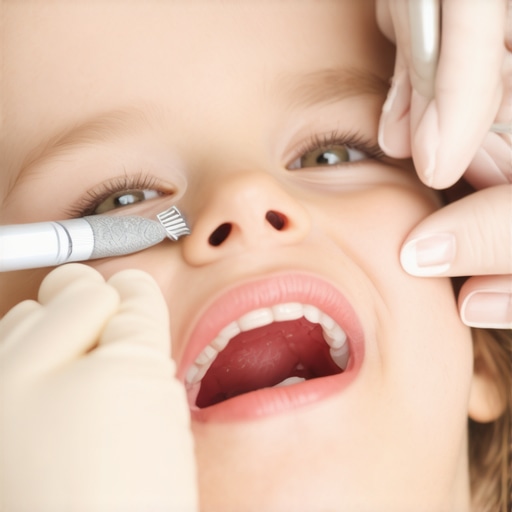
Last year, I almost missed a critical sign that my child’s tooth was more than just a typical cavity on the surface. It was a tiny crack—so subtle I almost thought it was nothing. That small crack could have led to big trouble if I hadn’t caught it early. And sadly, many families overlook these quiet signals daily. Have you ever noticed something off in your loved ones’ mouths but brushed it aside because it seemed minor? You’re not alone.
This experience opened my eyes to how tricky some warning signs can be—and how essential it is to stay vigilant. Today, I want to share with you the three subtle oral health signs that many families tend to miss in 2026, along with practical ways to spot them before they escalate into costly problems. By learning to recognize these signals early, you can help your family maintain healthier smiles and avoid surprises at the dentist’s office.
Why the Little Things Matter More Than Ever
Oral health isn’t just about preventing cavities or keeping your breath fresh. Tiny issues like a faint discoloration, a slight change in bite, or a whisper of sensitivity might seem insignificant but can be early clues to bigger problems brewing beneath the surface. Ignoring them can lead to painful infections, costly restorations, or even tooth loss. In fact, according to the American Dental Association, early detection and intervention can reduce dental treatment costs by up to 50% and significantly improve long-term outcomes.
Early signs often hide beneath the radar, especially when we’re busy juggling daily responsibilities. I learned the hard way that trusting your intuition and staying informed about these subtle signals is key. In the following sections, I’ll walk you through three warning signs to watch for—and how to respond effectively. Are you aware of these hidden clues your family might be giving about their oral health?
Is It Really Worth the Extra Vigilance?
I admit, I used to dismiss small changes as normal or inconsequential. My mistake was thinking that if my child wasn’t experiencing pain or obvious discomfort, everything was fine. That was a costly misconception. Many early oral health issues, like microscopic cracks or minor shifts in dental alignment, don’t cause immediate pain but can lead to more significant problems if left unaddressed. Trust me, being attentive to the tiniest signs makes all the difference. Want to make sure you’re not overlooking anything important? Keep reading, because I’ll show you how to catch these issues early and save your family time, money, and pain. For more insights, visit our latest family dentistry trends.
But first, let’s look at how to identify these subtle signs and why waiting could be your biggest mistake.
Start Small, Confirm with a Mirror
Humans are often the best detectors of subtle oral changes; your own observation is a powerful tool. I recall a time when I gently tugged my child’s cheek after noticing slight sensitivity during their favorite snack. Using a mirror, I illuminated their mouth and saw a faint discoloration that hadn’t caused pain yet. I marked it mentally and scheduled an appointment with our family dentist.
To replicate this, establish a routine of visually inspecting your family’s mouths once a week. Use a good light and a mirror to look for anything unusual—discoloration, cracks, or swelling. Draw a simple chart for each family member to track what’s normal for them and note small changes promptly.
Document and Compare Over Time
Keep a photo journal of your loved ones’ smiles. During each check-up, take pictures of high-risk areas: tooth surfaces, gum lines, and any dental work like crowns. When you notice a new crack or discoloration, compare it to previous photos to assess if it’s progressing.
For example, I once noticed a tiny white spot on my child’s molar during a routine inspection. Comparing it with earlier photos, I saw no change over a month. Still, I mentioned it to our dentist during our next visit, and they confirmed it was early enamelwear, which we treated with fluoride varnish.
Learn to Recognize Early Signs of Cracks and Fractures
Microscopic cracks can be as tiny as hairlines but cause big trouble if untreated. Use your finger or tongue to gently feel for any rough areas or bumps, especially after chewing sticky or hard foods. A sharp edge or a slight roughness might indicate a crack developing.
Once detected, schedule a professional evaluation. A dentist might suggest an overlay or crown to prevent the crack from worsening. Understanding these early signs is crucial. For example, I once caught a small crack by feeling a raised area after a bite, leading to a quick crown placement—saving the tooth from future fracture.
Leverage Professional Tools for Accurate Detection
While your eyes and hands are essential, some issues require professional detection tools. Digital radiographs or intraoral cameras can reveal problems beneath the surface—like early decay under crowns or tiny cracks invisible to the naked eye.
I remember a time when our dentist used an intraoral camera to show us a crack we couldn’t see. This real-time visualization helped us understand the severity and made our decision for treatment straightforward. Regular dental check-ups with advanced diagnostics are your frontline defense against hidden problems.
Act Fast When You Notice Suspicious Changes
Immediate action prevents small issues from escalating. If you spot a crack, discoloration, or sensitivity that persists, schedule an appointment promptly. Delay can lead to more invasive treatments like root canals or extractions—costly and distressing.
Contact your family dentist through their contact page if you notice anything unusual. Early interventions like dental crowns or minimally invasive restorations are often enough to preserve the tooth and restore health.
As I learned from my own experience, staying vigilant and proactive makes a significant difference. Your family’s smiles depend on your ability to notice the tiniest signals and respond with prompt professional care.
Many people assume that routine dental visits and quick fixes are enough to maintain oral health, but in reality, there’s a significant misunderstanding about what truly matters in family dentistry. For instance, a common myth is that replacing old crowns isn’t urgent if there’s no obvious pain. In fact, waiting can lead to crown failure or secondary decay that isn’t visible to the naked eye. According to a 2024 study published in the Journal of Dental Research, early intervention with crowns can extend their lifespan by up to 30% when issues are addressed proactively. Many families also underestimate the importance of modern technology like intraoral cameras, which can detect microscopic cracks or early decay beneath restorations—issues traditional X-rays might miss. Relying solely on visual inspection or routine cleaning can be a trap; advanced diagnostics improve detection accuracy and treatment outcomes. When it comes to Invisalign, a widespread misconception is that it’s only for aesthetic purposes. In reality, Invisalign can correct complex bite issues and prevent long-term jaw problems if used correctly and early. Delaying treatment often results in more invasive procedures later, such as dental crowns or orthodontic work, which could have been avoided through proper planning. To get insights on selecting the right crown or understanding the nuances of Invisalign’s capabilities, explore our detailed guides like The Ultimate Guide to Crowns for a Healthier Smile and Invisalign Myths Debunked. Don’t fall into the trap of superficial treatment—ask your family dentist about the latest diagnostic tools and personalized treatment options. Remember, recognizing subtle signs like minor discoloration or slight shifting early can save you from significant complications down the line. Make sure you’re informed and proactive. Have you ever fallen into this trap? Let me know in the comments.Maintaining excellent oral health requires the right equipment and a proactive approach. My go-to tool is the intraoral camera, which I personally use during routine check-ins. Unlike traditional visual exams, this device captures high-resolution images of beneath the gum line and around dental restorations, revealing microscopic cracks or early decay that might otherwise go unnoticed. Using an intraoral camera has transformed my ability to identify potential issues early, especially when inspecting crowns or areas around Invisalign aligners where plaque buildup can be hidden. Regular use of this technology not only enhances diagnostic accuracy but also boosts confidence in preventive care, reducing the need for invasive procedures down the line. Additionally, I rely on digital radiography systems, which offer low radiation exposure and immediate imaging feedback, ensuring rapid detection of issues like interproximal decay or root fractures. Combining these tools with comprehensive software solutions like Dentrix Ascend streamlines patient records, schedules, and image management, making ongoing monitoring seamless. Looking forward, advancements in AI-powered diagnostic tools aim to interpret radiographs and intraoral scans automatically, promising even earlier detection and personalized treatment plans. To optimize your family’s long-term oral health, I highly recommend trying out an intraoral camera during dental visits—it’s a game-changer in early detection. For further insights into innovative dental technologies, explore our latest trend reports. Remember, investing in the right tools today ensures healthier smiles tomorrow. If you’re interested in enhancing your home routine, talk to your dentist about integrating advanced diagnostics into your check-ups. Now, what if you combined this with regular self-inspections and proper documentation? You might just catch those subtle signs before they become big problems. Want to strengthen your family’s oral health care even more? Start by requesting an intraoral scan at your next appointment—experience the difference firsthand.
Lessons That Changed My Approach to Family Dental Care
One course I took on the latest advancements in dental technology opened my eyes to how often we overlook subtle signs that could save a tooth. I realized that trusting my intuition and staying proactive about even minor discomforts or changes in my family’s smiles has been my strongest safeguard. Additionally, I learned that investing in high-quality diagnostic tools, like intraoral cameras, isn’t just for fancy clinics—these tools can be integrated into your routine to catch problems early, often before they cause pain or require extensive treatment. These lessons underscored the importance of continuous learning and embracing technology to ensure my loved ones stay well-protected against hidden dental issues.
Tools and Resources That Make a Real Difference
One resource I swear by is the comprehensive guide The Ultimate Guide to Crowns for a Healthier Smile—it offers in-depth insights into durable restoration options and how early detection saves your smile. I also rely heavily on innovative diagnostic tools like intraoral cameras; they reveal microscopic cracks or early decay that traditional methods might miss, giving me peace of mind. For staying informed about modern family dentistry practices, the trend reports at Family Dentistry Trends keep me updated. Lastly, in choosing the right treatment plans, I consult vetted professionals through their contact page, ensuring personalized care rooted in the latest science.
Your Next Move Is Closer Than You Think
Every smile is a story of love, trust, and healthy habits. The future of family dentistry in 2026 is brighter than ever—filled with advanced technology, personalized treatments, and a proactive approach that puts your loved ones’ health first. By focusing on subtle signs today, you’re not just preventing cavities or cracks; you are ensuring that their confidence and well-being thrive for years to come. Don’t wait for discomfort or visible damage—start noticing those tiny cues now, and turn them into opportunities for early intervention. Your family’s brightest smiles depend on your vigilance and action today. What small change will you make this week to better protect your loved ones’ oral health? Share your ideas below and let’s grow together in this journey toward healthier smiles.