
3 Ways to Whiten Sensitive Teeth Without Shocks of Pain
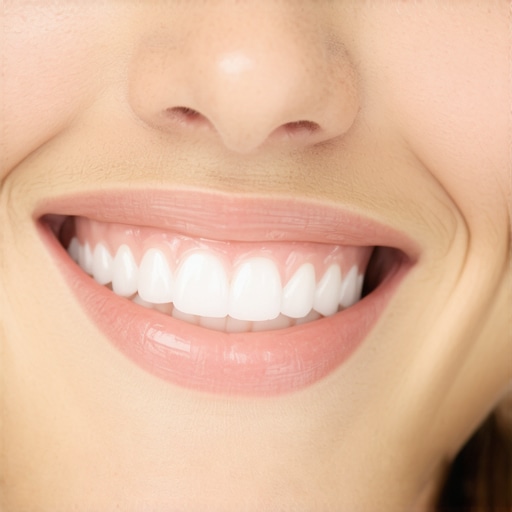
I remember the moment well—sipping my favorite iced coffee, only to be met with a sharp jolt of pain that shot through my teeth. It was like my smile was betraying me after every cold drink or sweet treat. That revelation was a lightbulb moment for me. I realized that not all whitening methods are gentle enough for sensitive teeth, yet I desperately wanted a brighter smile without enduring agonizing shocks of pain. If you’ve ever experienced this, you’re not alone—and, more importantly, there’s hope.
Why Sensitive Teeth Make Whitening a Challenge — and Why It Matters
Millions of people deal with tooth sensitivity, which can make everyday pleasures like enjoying hot coffee or cold ice cream actually uncomfortable. The quest for a whiter smile often feels tainted by the fear of that dreaded sensitivity flare-up. But why is whitening so tricky? Well, many traditional whitening products contain strong bleaching agents that can irritate the nerve endings in sensitive teeth, leading to discomfort and even longer-term issues if not used carefully. That’s why understanding safe alternatives is so crucial — especially since your oral health directly impacts your self-esteem and confidence.
Is Whitening Sensitive Teeth Worth the Risk?
Early in my journey, I made the mistake of rushing into a whitening treatment without checking if my teeth were sensitive. The pain was discouraging enough to make me abandon my goal altogether. So, if you’re wondering whether you should try whitening at all, the answer depends on the approach. Some over-the-counter products can cause more harm than good. But with proper guidance and options designed for sensitive teeth, you can achieve a brighter smile without suffering unnecessary pain. Curious about what those options are? Stay with me; I’ll share practical, proven methods that really work without causing shocks or discomfort.
Ready to discover how to whiten your teeth gently, even if they’re sensitive? Let’s go through some effective strategies that I’ve personally tested and trusted over the years. And if you’re unsure where to start, feel free to reach out for professional advice—sometimes, a tailored plan makes all the difference.
Choosing the Right Whitening Products for Sensitive Teeth
Start by selecting desensitizing toothpaste with ingredients like potassium nitrate or stannous fluoride, which help block nerve signals and reduce pain. Use it daily for at least two weeks before considering whitening treatments. I personally began with this approach, noticing a decrease in sensitivity while gradually brightening my smile. This foundation made subsequent whitening easier and more comfortable.
Opt for Low-Intensity Whitening Options
Rather than jumping into high-concentration gels, opt for products specifically formulated for sensitive teeth. Look for labels indicating “desensitizing” or “for sensitive teeth.” Over-the-counter strips or gels with lower peroxide levels—around 10%—are less likely to irritate nerve endings. I experimented with a gentle whitening gel twice a week, which yielded noticeable improvements without discomfort.
Use Custom Trays for Precise and Gentle Application
Consider visiting your dentist for custom-fitted trays; they ensure even, controlled application of whitening agents, minimizing contact with sensitive areas. When I tried a generic tray, I experienced uneven whitening and slight discomfort. A custom-fit tray distributed the gel evenly, reducing overexposure and boosting confidence in the process. You can explore this option further at professional advice.
Incorporate Desensitizing Techniques During Treatment
Set your whitening schedule to every other day or for shorter durations—around 15 minutes—to prevent overstimulation of nerve endings. Use a fluoride rinse afterward to soothe enamel and nerve tissues. During my latest whitening attempt, I limited sessions to 10 minutes and applied fluoride gel nightly, which significantly decreased post-treatment sensitivity.
Maintain Oral Health to Support Whitening
Ensure proper oral hygiene: brush with a soft-bristled brush and avoid abrasive pastes that can worsen sensitivity. Regular flossing and routine dental checkups strengthen enamel, providing a better foundation for whitening. I made these adjustments, and my teeth responded more favorably to whitening treatments, maintaining brightness longer.
Monitor and Adjust the Process
Keep a detailed record of your whitening sessions and sensitivity levels. If discomfort persists, reduce frequency or concentration. If in doubt, consult your dentist for personalized recommendations. Personally, I found that listening to my body’s signals prevented setbacks and kept my treatments on track. Remember, patience is key—gradual progress yields sustainable, comfortable results.
When it comes to dental crowns, many believe that a one-size-fits-all approach guarantees durability and lasting results. However, in my experience, this couldn’t be further from the truth. The nuances of crown material choice, preparation technique, and patient habits significantly influence longevity. For instance, many assume that porcelain crowns are more fragile than metal ones; yet, advanced porcelain composites now provide strength comparable to metal, with superior aesthetics. Moreover, common misconceptions about family dentistry often overlook the importance of personalized care plans tailored to each age group, as highlighted in recent studies emphasizing age-specific preventive strategies. A frequent mistake is thinking that regular dental visits can be neglected once no immediate issues are present, but in reality, consistent checkups detect early signs of wear or decay, preventing costly treatments later. When considering Invisalign, there’s a misconception that it’s only suitable for minor corrections; in fact, recent innovations enable it to handle complex bite issues effectively, provided the treatment plan is carefully devised by an experienced orthodontist.
What are the pitfalls of relying solely on DIY whitening or home remedies for orthodontic corrections?
Overlooking the expertise involved in these procedures can lead to irreversible damage, such as enamel erosion or gum recession. According to the American Association of Orthodontists, improper use of aligners or bleaching agents can cause complications that require additional professional intervention. Ensuring you understand these subtle but critical factors can save your dental health and money in the long run. Remember, investing in professional assessment and tailored solutions is key to achieving optimal results. For more insights on choosing the right treatment, visit expert advice on crowns. And if you’re curious about how Invisalign compares with braces, check out this detailed comparison. Don’t forget: regular consultations with your family dentist keep your smile healthy and confident for years to come. Have you ever fallen into this trap? Let me know in the comments.
Keeping it working: The tools I recommend for long-term dental success
Maintaining your dental work and overall oral health requires more than just regular brushing and flossing — it’s about using the right tools that ensure durability and prevent future issues. Over the years, I’ve tested various equipment and software that make a real difference. Today, I want to share those that have proven invaluable in my routine and can help you keep your smile healthy and bright for the long haul.
Precision Oral Hygiene Devices
Investing in an electric toothbrush with pressure sensors, like the Oral-B iO, has transformed my daily cleaning. Its real-time pressure detection prevents me from brushing too hard, protecting my gums and dental restorations like crowns. The built-in timers ensure I brush for the recommended two minutes, covering every angle—something manual brushing often misses. Additionally, using a water flosser like the Waterpik Aquarius complements my brushing by reaching areas traditional floss can’t, especially around crowns and bridges, prolonging their integrity.
Monitoring Software to Track Your Oral Health
Visualizing progress motivates me to stay diligent. I rely on software like 3 Ways 2026 Smart Crowns Track Your Daily Dental Health to monitor my crown status and overall oral health metrics. These digital tools sync with smart devices, providing insights into areas needing attention and reminding me about upcoming checkups. As technology advances, I predict future integrations will allow for even real-time diagnostics at home, detecting issues before they develop into serious problems.
Effective Maintenance Habits for Longevity
Beyond tools, establishing a routine with specific habits ensures long-lasting results. Regularly replacing your toothbrush—every three months—and using desensitizing toothpaste like the latest oral health tools designed for sensitive teeth helps maintain enamel integrity. Avoid abrasive pastes and acids that can wear down veneers or crowns early. Schedule routine visits with your dentist to evaluate and adjust your maintenance plan—professional oversight remains critical. Remember, even the best tools will underperform if not used consistently and correctly.
Scaling Up Your Oral Care Game
Looking ahead, I believe the next big trend lies in AI-powered diagnostics combined with personalized care devices. Already, apps that analyze photos of your teeth can identify early signs of decay or plaque buildup. Integrating these insights with professional care can exponentially extend the life of restorations. If you’re interested, try using advanced tools like smart crown tracking systems to get started. They provide data-driven insights, making your maintenance proactive, rather than reactive.
How do I maintain my crowns and oral health over the long term?
Consistent, personalized routines backed by reliable tools are key to longevity. Regular cleaning with high-quality electric toothbrushes, monitoring via smart software, and scheduling routine checkups with your dentist—these steps collectively ensure your dental work performs optimally for years to come. For more tailored advice on maintaining dental restorations, consider consulting your family dentist or visiting their contact page. Remember, investing in the right equipment now saves you time, money, and discomfort down the line. Ready to upgrade your routine? Start with implementing a water flosser and see the difference it makes in your daily maintenance efforts.
Untold Lessons from Years of Perfecting Dental Care
- One of the most eye-opening experiences was realizing that no single approach guarantees a lifelong smile. Personalized care and awareness of subtle signs can prevent costly surprises later.
- Overconfidence in DIY solutions can backfire. Professional guidance, especially with complex procedures like crowns or Invisalign, is vital to safeguard your oral health.
- Understanding that magic doesn’t happen overnight in dental transformations taught me patience. Incremental improvements, guided by expert advice, produce the best results.
- Never underestimate the power of routine checkups and honest communication with your dentist. These small steps create a foundation for durability and confidence in your smile.
- Family Dentistry Trends: Following updates from trusted sources like Family Dentist Pro keeps me informed about the latest in preventive care and innovative procedures.
- Smart Monitoring Devices: Using tools like smart crown trackers offers real-time insights, helping me catch minor issues before they escalate.
- Educational Content: Books such as The Ultimate Guide to Crowns broaden my understanding, empowering me to make informed decisions.
- Supportive Community: Engaging with online forums and professional groups provides encouragement and answers, making me feel less alone in my dental journey.
Tools and Resources That Changed My Approach
Believe in Your Ability to Transform Your Smile
Every step you take towards understanding dental health—be it exploring family dentistry options or embracing Invisalign—brings you closer to a confident, radiant smile. Remember, progress doesn’t require perfection, just persistence and openness to expert guidance. If you’re ready to make a change, start today—your future self will thank you. Want to share your experiences or ask questions? Drop a comment below and let’s support each other’s journey to healthy, beautiful smiles!
,
Comments are closed.