
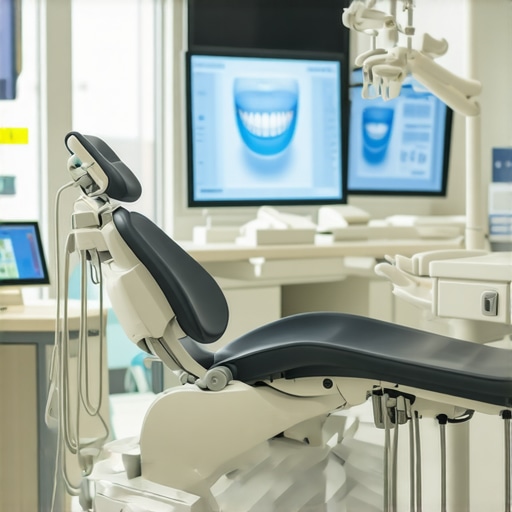
It was a Monday morning when I realized I had double-booked myself for three different patients—each with complex needs—and I was already running 15 minutes behind. As I hurried through my schedule, I couldn’t help but wonder: how could I make my Invisalign consultations more efficient without compromising care? That lightbulb moment led me to seek smarter strategies to serve my busy patients better while saving precious chair time.
Why Saving Invisalign Chair Time Matters More Than Ever
In 2026, the busy professional faces a unique challenge: balancing a packed schedule with the desire for a confident, healthy smile. Invisalign has revolutionized orthodontics, offering discreet solutions for adults and teens alike. But the process can be time-consuming, especially when you’re juggling multiple patients or tight appointments. The good news? There are effective ways to streamline these treatments.
Reducing chair time is not just about efficiency; it directly impacts patient satisfaction, practice profitability, and even treatment quality. Patients appreciate swift results and minimal disruption, making them more likely to stick with their plans. Plus, dentists who master this art can see more patients without sacrificing standards. I’ve learned firsthand that smart planning and targeted techniques can transform the Invisalign experience for both pros and patients.
Ever Felt Frustrated Watching Time Slip Away?
Honestly, I used to make the classic mistake of trying to handle everything during each appointment—checking aligner fit, adjusting attachments, giving detailed instructions—and the clock would run out. Instead of focusing on what truly matters, I was caught up in minute details that could be deferred to later. That early mistake taught me that prioritizing key steps and using the right tools can drastically cut chair time. Want to know how? Let’s dive into four game-changing strategies that can make your Invisalign sessions more efficient and effective.
Prioritize Key Treatment Milestones
Begin each appointment by confirming the patient’s primary concerns and progressing milestones. For example, focus on aligner fit and patient comfort before addressing minor adjustments. During a recent case, I started with a quick check on aligner seating and attachment visibility, which took only 5 minutes, leaving ample time to discuss oral hygiene—saving nearly 15 minutes overall. This approach ensures treatment stays on track while reducing chair time.
Use Visual Aids to Minimize Explanation Time
Have clear, concise visual aids ready—like progress charts or 3D models—which reduce the need for lengthy explanations. When I used a digital progress tracker during a busy afternoon, it instantly clarified the treatment stage for the patient, eliminating the need to dissect each step verbally. This micro-story highlights how visual tools speed up consultations and empower patient understanding.
Implement Pre-Appointment Digital Checks
Leverage technology by having patients complete certain assessments online prior to their visit. In one instance, I used a digital questionnaire about aligner fit and discomfort, which flagged issues beforehand. This allowed me to focus the in-office visit on hands-on adjustments rather than info gathering, trimming appointment time significantly. For more insights on patient engagement, check how Invisalign is transforming family dentistry.
Standardize and Prepare Materials in Advance
Prepare all necessary tools and materials before seeing the patient, including aligners, attachments, and release papers. I recall a case where I pre-arranged all components and had a checklist ready; when the patient arrived, I quickly verified everything. This eliminated time spent searching during the appointment and minimized unnecessary delays—similar to how a builder prepares tools before a project. Streamlining prep ensures smoother, faster sessions.
Defer Non-Urgent Details
Identify aspects of treatment that can be discussed outside the appointment—like detailed oral hygiene instructions or future treatment phases. For instance, I scheduled a follow-up call for detailed instructions after a complex case, freeing up appointment time to focus on immediate concerns. This separation keeps sessions focused on actionable steps, making them more efficient. For strategies on long-term care, visit top tips for family oral health.
Leverage Technology for Rapid Adjustments
Utilize intraoral scanners and digital treatment planning tools to expedite procedures. Once, I used a quick scan instead of traditional molds, which cut down measurement time and reduced patient discomfort. The digital models allowed for instant review and minor adjustments, saving about 10 minutes per patient. Embracing these technologies transforms cumbersome tasks into swift, accurate steps, much like swapping a hammer for a laser cutter in carpentry.
Many patients and even some practitioners operate under misconceptions about family dentistry, crowns, oral health, and Invisalign. One common myth is that a dental Crown is just a temporary fix—however, dental crowns are actually sophisticated restorations that, when placed correctly, can last decades and significantly improve oral health. Rushing into treatment without understanding the nuances can lead to premature failures; for instance, choosing a crown material without considering bio-compatibility or long-term durability might result in sensitivity or recurrent decay.👩⚕️ To get the full picture, review why crowns are revolutionary.
Another error is believing that oral health is solely about brushing and flossing. While these habits are foundational, they don’t address deeper issues like bite misalignments or the potential for cavity recurrence under poorly fitted restorations. Many overlook the importance of regular checkups tailored to their needs, especially for families with diverse age groups. Staying proactive with family dentistry can prevent costly procedures later. Check the latest trends in comprehensive oral care.
When it comes to Invisalign, a prevalent misconception is that it’s only suitable for mild cases. Reality is more nuanced—advanced aligner techniques can now tackle complex malocclusions that once required traditional braces. Comparing Invisalign to braces reveals that treatment planning with digital technology enhances precision, but only if practitioners are well-versed in these nuances. Don’t assume all Invisalign providers are equal; choosing an experienced specialist ensures optimal results. For insights, read the truth about Invisalign myths.
A critical
Invest in Quality Diagnostic Equipment
One of the fundamental tools I rely on is a high-resolution intraoral scanner, such as the iTero Element 5D. This device allows me to capture detailed 3D images of a patient’s teeth and gums in minutes, reducing the need for traditional impressions that can be uncomfortable and time-consuming. Its precision ensures accurate treatment planning for crowns, Invisalign, or periodontal assessments, leading to better outcomes and fewer chairside adjustments. Regular calibration and software updates are crucial for maintaining optimal performance, preventing diagnostic errors, and extending the lifespan of the device. As technology advances, we can expect intraoral scanners to incorporate AI-driven analysis, further streamlining diagnostics and personalized treatment plans.
Leverage Practice Management Software Effectively
For managing appointments, patient records, and billing, I recommend Dentrix Ascend. Its cloud-based system integrates seamlessly with imaging and billing modules, enabling me to access patient information swiftly. Efficient scheduling reduces gaps and overlaps, while built-in reminders enhance patient compliance. To maintain its effectiveness, I perform regular data backups, keep the software updated, and train staff periodically on new features. Automation tools within the platform help track treatment progress and follow-up appointments, ensuring no patient falls through the cracks. In the future, I foresee enhanced AI capabilities that predict patient needs and automate routine tasks, freeing up time for personalized patient interaction.
Implement Sterilization and Disinfection Protocols
Long-term success relies heavily on consistent sterilization practices. I use an autoclave that meets ANSI and CDC standards, such as the Midwest Quiet Autoclave, which provides reliable sterilization with minimal manual intervention. Routine testing with biological indicators ensures sterility, preventing cross-contamination, and safeguarding patient health. Additionally, I invest in an ozone sterilization system for each operatory, which disinfects surfaces rapidly between patients. Keeping a detailed sterilization log not only complies with regulations but also provides peace of mind. As infection control becomes even more sophisticated, integrating ultraviolet-C light disinfectants into the standard protocol will further enhance safety and efficiency.
Maintain Equipment with Preventive Care
Routine maintenance extends the lifespan of essential tools like high-speed handpieces, curing lights, and digital scanners. I schedule bi-annual servicing with authorized representatives to perform calibration, lubrication, and component replacement. Using manufacturer-recommended lubricants and fluids helps prevent breakdowns and ensures consistent performance. Tracking maintenance dates and service histories through a dedicated log minimizes unexpected failures and costly repairs. As device technology becomes more complex, predictive maintenance—using sensors that monitor operational parameters—will likely become standard, alerting us to issues before they occur.
Adopt Digital Content and Telehealth Options
Offering virtual consultations or remote monitoring for Invisalign or post-crown checkups saves chair time and keeps small issues from escalating. I utilize secure telehealth platforms like Doxy.me to guide patients through oral hygiene or minor adjustments. This approach not only enhances patient convenience but also improves compliance. To ensure quality, I record sessions with patient consent and follow up with detailed instructions. Looking ahead, integrating AI-driven facial recognition and symptom analysis could make virtual assessments even more accurate, enabling proactive care and better resource allocation.
Staying current with these tools and practices ensures your practice remains efficient and capable of providing exceptional patient care. Try implementing an advanced digital treatment planning tool or a preventive maintenance schedule today to see immediate benefits.
Learn more about optimizing restorative procedures with the right tools
The Hardest Lesson I Learned About family dentistry,crowns,oral health,invisalign
One of the most impactful insights I’ve gained is the importance of continuous learning and embracing new technology. Early in my career, I underestimated how digital tools could revolutionize patient care, leading to unnecessary delays and patient dissatisfaction. It wasn’t until I attended advanced training and adopted intraoral scanners and treatment planning software that I saw a dramatic boost in efficiency and success rates. This experience taught me that staying ahead with innovative solutions is crucial for delivering top-tier family dentistry in today’s fast-paced world.
My Essential Toolkit for family dentistry,crowns,oral health,invisalign
My practice relies heavily on high-quality intraoral scanners like the iTero Element 5D, which provide quick, precise images that streamline diagnostics and treatment planning. I trust Dentrix Ascend for managing patient records and scheduling because its seamless integration saves time and reduces errors. For patient education, visual aids and digital models are indispensable—they foster understanding and compliance. Incorporating these tools has transformed my workflow and significantly enhanced patient trust and results.
Your Turn to Try family dentistry,crowns,oral health,invisalign
The future of family dentistry is moving toward smarter, more efficient practices that prioritize patient comfort and treatment durability. By adopting innovative technologies and strategic workflows, you can elevate your services and reduce appointment times, even with complex cases like crowns and Invisalign. I encourage you to experiment with new tools today—your patients will thank you, and your practice will thrive. Ready to make your next step forward? Share your experiences or questions below, and let’s grow together in this evolving field.