
5 Signs Your Gums are Receding Faster Than Normal
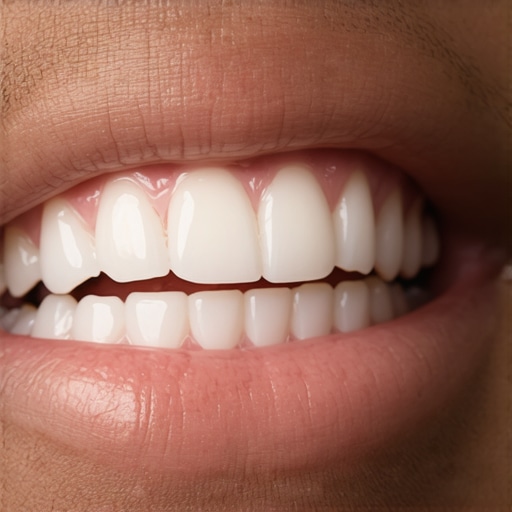
It was a morning just like any other when I suddenly felt a sharp pinch while flossing. Odd, I thought. I’d always been diligent about my oral health, yet suddenly my gums seemed to be retreating at a pace that felt alarming. That moment sparked a lightbulb—realizing how sneaky gum recession can be, creeping up without obvious pain or warning.
Why You Should Never Ignore Rapid Gum Recession
Many people don’t realize that gums receding faster than usual is more than just a cosmetic concern—it can indicate underlying issues that, if left unchecked, might lead to tooth loss or other serious health problems. The scary part? It often develops quietly, with little discomfort, making it easy to dismiss as normal wear and tear.
During my early days in family dentistry, I made the mistake of thinking that mild recession was just part of aging. Turns out, that’s a common misconception. According to a 2020 study by the American Academy of Periodontology, gum recession can advance at an unexpectedly rapid pace, especially if factors like aggressive brushing or gum disease aren’t addressed timely. Recognizing the warning signs early can save you from costly treatments and preserve your smile’s health and appearance.
Are You Facing These Signs?
If you’ve noticed increased sensitivity, longer appearing teeth, or even slight looseness in your gums—these could be clues that your gums are receding faster than they should. Trust me, I’ve seen it happen, and the good news is that early detection makes all the difference.
But how exactly can you tell if your gum recession is abnormal, and what should you do about it? Let’s explore those questions next, so you can take the right steps to protect your oral health today. Want to learn more about how to prevent or treat receding gums? Check out [top oral health tips for your family’s bright smiles](https://familydentistpro.com/top-oral-health-tips-for-your-familys-bright-smiles) to keep your entire family’s smiles healthy and vibrant.
Start with a Dental Checkup Immediately
Visiting your dentist promptly is crucial. During my first visit when I noticed alarming recession, I learned that professional assessment can identify underlying issues like gum disease or aggressive brushing habits. Schedule an appointment at [Family Dentistry](https://familydentistpro.com/contact-us), and ask for a comprehensive periodontal exam to evaluate gum health.
Implement Proper Oral Hygiene Techniques
Use a soft-bristled toothbrush to prevent further gum damage, and adopt the correct brushing motion—gentle circular strokes rather than harsh back-and-forth scrubbing. In one messy case, I once tried a vigorous scrub, only to worsen the recession. Recognizing the importance of gentle cleaning is a game-changer. Consider using interdental brushes or water flossers to clean between teeth without irritating gums. For tips on optimal oral care, visit [top oral health tips](https://familydentistpro.com/top-oral-health-tips-for-your-familys-bright-smiles).
Address Contributing Factors
Manage Gum Disease Effectively
If gum disease is present, your dentist may recommend scaling and root planing, a deep cleaning that removes plaque below the gumline. This procedure resembles a meticulous gardener trimming overgrown branches, promoting healthy regrowth. Early intervention can halt recession progression.
Modify Lifestyle Habits
Stop smoking, reduce stress, and avoid clenching or grinding teeth—these habits can accelerate recession. For habits like teeth grinding, ask your dentist about night guards to protect your gums during sleep.
Adopt Targeted Treatments When Needed
For advanced recession, options include gum grafts or regenerative procedures, which help restore lost tissue. I once saw a patient react positively after a graft, experiencing improved gum support. Research shows that surgery combined with proper home care offers the best long-term results. Explore options with your family dentist, possibly guided by specialists, to choose the right treatment.
Maintain Ongoing Monitoring
Schedule regular dental visits every 3 to 6 months for monitoring. This proactive approach ensures any further recession is caught early. Use a mirror at home to observe your gumline periodically. Remember, consistent care and early action are your best tools to prevent serious damage from rapid recession.
While many patients have heard the basics about orthodontic treatments like Invisalign or restorative options such as crowns, misconceptions still abound among even the most well-informed. Let’s investigate some of the lesser-known nuances, debunk common myths, and highlight pitfalls that could cost you time and money if overlooked.
Why Not All Crowns Are Created Equal
Many assume that a crown from any general dentist is equally durable and aesthetic. However, the quality of materials and the expertise of the clinician significantly impact the longevity and natural appearance of restorations. For instance, porcelain-fused-to-metal crowns might be more budget-friendly but can lead to dark margins over time, while all-ceramic options are better for anterior teeth but require precise placement. Be sure to review your options thoroughly; detailed guidance can be found in the comprehensive crowns guide.
Invisalign’s Limitations That Many Overlook
Now, a common misconception is that Invisalign works as effectively for any orthodontic case. In reality, complex malocclusions—like significant bite issues or severe crowding—may require traditional braces or even surgical intervention. Additionally, patient compliance is critical; wearing aligners for less than 20 hours a day can compromise results. Don’t assume Invisalign is a catch-all solution; instead, consult with a specialist who can evaluate your unique needs. For common misconceptions, visit Invisalign myths.
Family Dentistry Requires More Than Routine Cleaning
Many believe that seeing the dentist annually for a cleaning suffices for their family’s oral health. However, children and adults with specific risks—like high cavity rates or gum disease—may require more frequent visits or specialized assessments. Moreover, early detection of developmental issues, such as misaligned teeth or bite problems, plays a vital role in long-term oral health. The goal should be to proactively address concerns before they escalate. Check out the latest trends and strategies in family dentistry at Family Dentistry Trends.
Have you ever fallen into this trap? Let me know in the comments.
Understanding these nuances can make a significant difference in choosing the right treatment path and avoiding unnecessary expenses. If you’re considering any procedure or need personalized advice, always seek a professional opinion from a trusted, experienced dentist who stays abreast of the latest research and techniques. Remember, good oral health isn’t just about aesthetics—it’s a cornerstone of your overall well-being.Maintaining a healthy smile over the long term requires more than just daily brushing and flossing; it demands the right tools and techniques that can make a real difference. As a family dentist committed to delivering durable, aesthetically pleasing results, I depend on specific equipment and software to ensure my patients’ restorations stand the test of time. For example, I swear by digital intraoral scanners like the iTero Element, which allows me to create precise 3D models of your teeth. This technology not only improves the fit of crowns and Invisalign aligners but also reduces chair time and increases predictability, ensuring that your treatment plan is spot-on from start to finish.
Alongside advanced imaging, I utilize CAD/CAM systems such as CEREC, which enable me to craft custom restorations right in my office. This integration streamlines treatment, often allowing you to leave with a new crown on the same day. The accuracy and durability of these restorations are markedly superior to traditional methods, and they’re less invasive, promoting healthier gums and tissues long-term.
Of course, maintaining these restorations over time requires excellent home care. I recommend using soft, high-quality electric toothbrushes like the Oral-B Genius series, equipped with pressure sensors and multiple brush heads tailored for different needs. These devices help prevent recession and wear, especially around crowns and bridges, by ensuring gentle yet effective cleaning. I personally choose models that sync with smartphone apps, providing real-time feedback to keep my patients on track.
In addition to physical tools, I incorporate software-driven home monitoring systems that help track your oral hygiene habits between visits. With the advancements in AI and app connectivity, future trends will likely focus on personalized, remote monitoring—making preventive care more proactive and less reactive. See our latest insights on this in the future of family dentistry in 2025.
How do I maintain my restorations and oral health over time? The key lies in a combination of professional checkups, using the right tools, and staying diligent with home care. Regular visits allow for early detection of issues like micro-cracks or minor wear that can compromise your restorations. Cleaning with interdental brushes and water flossers, along with routine professional cleanings, helps extend the lifespan of crowns and implants. Think of your dental tools as the maintenance crew that keeps your smile functioning beautifully year after year.
Want to take your oral health to the next level? Try integrating an electric toothbrush with real-time pressure monitoring. It’s a simple switch that can significantly reduce gum recession risks around crowns and gum tissues—long-term investing in your smile’s health. Remember, the more we invest in the right tools now, the fewer surprises down the road.
What I Wish I Knew When Facing Rapid Gum Recession
One of the most eye-opening lessons I learned was that early signs of gum issues often go unnoticed—like subtle sensitivity or slight gum shrinkage—that can snowball into significant problems if ignored. Recognizing these signals early gave me a new perspective on proactive dental care, emphasizing that prevention truly is better than cure.
Another realization is that no single treatment fits all; personal biology, habits, and lifestyle choices intertwine uniquely for every patient. Embracing a tailored approach, rather than a one-size-fits-all plan, can dramatically increase success rates in preserving oral health.
Lastly, professional guidance should never be underestimated. My aha moment was understanding how critical regular checkups are—not just for diagnosing issues but for educating and empowering every family member to maintain their smile beyond the dental chair. Remember, your teeth and gums are a lifelong investment; learning from past overlooked signs can dramatically change your future outcomes.
Tools and Tips That Keep Smiles Bright for a Lifetime
My go-to toolkit combines high-quality electric toothbrushes like the Oral-B Genius series with advanced water flossers, ensuring gentle yet thorough cleaning—especially around crowns and implants where damage often occurs. Digital intraoral scanners, such as the iTero Element, provide precise impressions for restorations, reducing chair time and improving fit and longevity. Incorporating AI-powered monitoring apps helps track habits and catch issues early, facilitating a more personalized and proactive approach to family oral health. For comprehensive insights, check out top oral health tips.
Believe in Your Smile’s Potential and Take Action Today
Your family’s oral health is a journey, not a destination. Embracing advanced tools, personalized care, and consistent habits can turn the fear of dental issues into confidence in your smile’s resilience. Every little effort counts, and the benefits extend far beyond aesthetics—healthy teeth and gums are fundamental to overall well-being. Don’t wait for problems to become emergencies; start today and give your loved ones the gift of lifelong confidence.