
Stop Using Mouthwash Immediately After Brushing Your Teeth
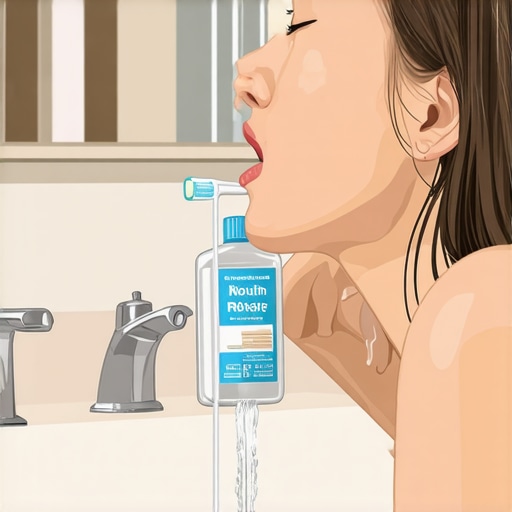
It was a typical morning when I finished brushing my teeth and reached for my favorite mouthwash, only to realize I had been sabotaging my own dental health without even knowing it. I used to believe that swishing after brushing was the best way to keep my mouth fresh and fight germs, but a lightbulb moment changed everything. Turns out, that quick rinse might be doing more harm than good, especially when it comes to maintaining a healthy smile during my Invisalign treatment and after getting crowns.
Why My Mouthwash Routine Was Undermining My Smile
For years, I trusted mouthwash as an essential part of my oral hygiene. But early on, I made a crucial mistake: I rinsed right after brushing. That simple act could wash away the fluoride from my toothpaste, which is vital for strengthening enamel and preventing cavities. According to a study published in the Journal of Clinical Dentistry, rinsing immediately after brushing can significantly reduce fluoride retention in the mouth, weakening teeth over time. As someone dealing with crowns and Invisalign, I started to see how this tiny habit might be affecting my dental health more than I thought.
What I didn’t realize then was that my quick rinse was also diluting the natural saliva that helps protect my mouth overnight. Saliva acts as the mouth’s defense system, neutralizing acids and promoting healing, especially crucial for those with dental work or orthodontic appliances. Having experienced discomfort with crowns feeling sensitive and Invisalign attachments feeling off, I knew I had to revisit my routine.
The Promise: A Simple Change That Can Transform Your Oral Health
Today, I want to share what I discovered and how adjusting my mouthwash habits made a noticeable difference. We’ll explore why rinsing immediately after brushing is a common mistake, the best timing for mouthwash use, and some practical tips to optimize your oral health regardless of your dental treatments. If you’ve faced issues like crown sensitivity or lingering bacteria, stay with me—because this one change could significantly improve your smile and confidence.
Skeptical? Think Rinsing Is Good for You?
I get it. The idea of skipping a rinse or changing your routine feels counterintuitive. I used to think that rinsing eliminated bacteria and refreshed my breath instantly. But early in my journey, I also believed in aggressive brushing, which I later learned can damage gums if done improperly. I made that mistake, and it took consulting my family dentist for me to realize that some practices, though intuitive, are actually harmful. Now, if you’re worried about missing out on fresh breath or fighting germs effectively, I’ll share evidence-backed strategies to keep your mouth clean without jeopardizing your dental work.
Adjust Your Timing for Maximum Benefits
Start by postponing your mouthwash use until at least 30 minutes after brushing. This allows fluoride from your toothpaste to work diligently and prevents rinsing away its protective effects. I once forgot this step, immediately rinsing after brushing, which left my crowns feeling sensitive. After changing my routine, I noticed less discomfort and improved enamel strength.
Choose the Right Mouthwash for Your Dental Work
Opt for alcohol-free, fluoride-rich mouthwashes designed for sensitive teeth and dental restorations. Regular mouthwashes with harsh chemicals can weaken crowns and irritate your gums. I experimented with a gentle fluoride rinse, which helped my crowns feel more comfortable and reduced inflammation around my Invisalign attachments.
Incorporate Gentle Cleaning Techniques
Use circular motions with a soft-bristled toothbrush and avoid aggressive scrubbing around crowns and braces. Micro-strokes prevent damage and protect delicate bonding areas. During my routine, I paid close attention to these details, which minimized gum recession and kept my restorations intact.
Swish Effectively Without Overdoing It
Swish for 30 seconds rather than a vigorous, prolonged rinse. Over-swirling can dislodge Invisalign trays or disturb newly placed crowns. I initially thought longer swishing equaled better cleaning, but I experienced loose attachments. Short, controlled swishes proved more effective without risking damage.
Complement with Saliva-Stimulating Practices
Chew sugar-free gum or use saliva sprays to maintain natural saliva flow, especially important with crowns and Invisalign. Saliva neutralizes acids and delivers minerals that repair enamel. Once, I neglected this, leading to increased sensitivity. Incorporating saliva boosters helped keep my mouth balanced and my restorations healthy.
Maintain Regular Professional Check-Ups
Schedule routine visits to your dentist to evaluate the condition of crowns and Invisalign attachments. Professional cleanings prevent plaque buildup and catch issues early. I kept a consistent appointment schedule, which allowed swift intervention when minor problems arose, saving me discomfort later.
Follow a Consistent Oral Hygiene Routine
Maintain daily flossing with special tools like floss threaders or interdental brushes to clean around orthodontic appliances and crowns. Proper hygiene reduces bacteria and prevents decay. I designated specific tools for my Invisalign and crowns, which made cleaning easier and more thorough.
Stay Informed About Oral Health Trends
Read about advancements like nano-sealants or bio-accepting crowns that can improve longevity. Integrating new technologies into your routine can simplify maintenance and enhance results. I explored options on family dentistry sites, ensuring I used the most effective measures available.
By implementing these concrete steps, you can improve your oral health routine, protect your crowns, and support your Invisalign journey. Small adjustments, consistently applied, lead to healthier teeth and a confident smile.
Many people assume they fully understand the basics of Invisalign and crowns, but beneath the surface lie nuances that can make or break your dental results. A common myth is that straightening teeth with Invisalign is solely about aesthetics, but in reality, it impacts your long-term oral health, especially if you neglect the intricacies of appliance care. In fact, improper cleaning or timing of treatments can lead to increased risk of decay or gum recession. For example, patients often believe that brushing vigorously around Invisalign attachments is beneficial, when gentle, precise techniques are actually more effective and safer — especially when managing sensitive restorations like crowns or implants.
One significant mistake I see frequently is overlooking the importance of professional assessments during treatment. Regular check-ups can detect early signs of wear or misalignment that, if ignored, might cause costly repairs or discomfort later. Did you know that some homeowners attempt to adjust their crowns themselves, risking damage or misfit? This is a trap that can escalate issues instead of solving them.
A more advanced consideration involves the material science behind crowns and Invisalign aligners. Newer nano-technology and bio-compatible materials are constantly evolving, but many patients remain unaware of how these innovations influence longevity and tissue compatibility. Selecting the right material and understanding its interaction with your unique oral environment is crucial, and consulting with a seasoned family dentist can provide tailored advice — you can explore these options further in our detailed guide on [crowns](https://familydentistpro.com/the-ultimate-guide-to-crowns-for-a-healthier-smile) and [Invisalign](https://familydentistpro.com/invisalign-myths-debunked-what-you-need-to-know-today).
Now, here’s a question for the advanced minds: How does the micro-structure of crown materials influence their resistance to staining and fracture over time? According to a study published in the Journal of Prosthetic Dentistry, the porosity and crystalline arrangement significantly affect durability and aesthetic stability, especially when exposed to common staining agents like coffee or wine. Understanding this can help you make smarter choices about your restorations.
Having the right knowledge prevents common pitfalls, saving you discomfort and expense down the line. Drop a comment below – have you ever fallen into this trap? Let me know your experiences or questions about advanced dental care.
Keep It Working: Essential Tools for Long-Term Success
Maintaining a healthy smile, especially with Invisalign, crowns, and family dentistry, requires more than just brushing and flossing. Investing in the right tools can make a significant difference in preserving your dental work and oral health over time. I personally rely on a combination of high-quality electric toothbrushes, specialized interdental cleaners, and smart technology to monitor my routine. For example, my Philips Sonicare DiamondClean not only provides superior plaque removal but also tracks brushing habits, ensuring I cover all areas efficiently.
Another game-changer in my routine is the use of floss threaders and water flossers like the Waterpik. These tools allow me to reach behind crowns and around Invisalign attachments easily, preventing plaque buildup without risking damage. I’ve noticed that consistent use of these devices reduces gum inflammation and extends the lifespan of my restorations.
Moreover, incorporating saliva-stimulation methods such as sugar-free gum or saliva sprays helps maintain moist oral tissues, which is vital for those with crowns and braces. It’s remarkable how these small adjustments can yield long-term benefits, including less sensitivity and fewer repairs.
Future Trends in Dental Care Equipment
The trend is moving toward smarter, AI-integrated dental tools that can provide real-time feedback on your technique. Devices embedded with sensors are beginning to analyze your cleaning process, highlighting missed spots or excessive pressure. As technology advances, I predict that personalized dental health management will become more accessible, with apps guiding daily routines and alerts for potential issues before they escalate.
How do I keep my dental tools effective over time?
Consistent replacement and proper maintenance are crucial. Brushes should be changed at least every three months, and electric heads should be cleaned regularly according to manufacturer instructions. Also, disinfecting your water flosser and toothbrush after each use helps prevent bacterial buildup. Remember, even the best tools need care—neglecting this can compromise their effectiveness and possibly lead to infections or damage to your dental work.
In my experience, integrating these advanced tools into your routine not only simplifies maintenance but also provides peace of mind knowing you’re proactively protecting your smile. For more comprehensive insights, check out the article on choosing durable crowns and how proper tool use complements long-term success.
Ready to upgrade your routine? Try using a smart electric toothbrush paired with a water flosser, and observe how your oral health transforms over months. Having precise, effective tools makes a tangible difference in preserving your investment in dental treatments and overall health.
The Hardest Lesson I Learned About invisalign,oral health,crowns,family dentistry
One of my biggest realizations came when I overlooked the subtle signs of wear on my dental restorations, assuming everything was fine. It taught me that paying close attention to small changes, like slight discomfort or color shifts, can prevent major setbacks.
Another lesson was understanding that routine isn’t just about habit but about intentional care. Rushing through brushing or rinsing without purpose can undo months of progress, especially with complex treatments like Invisalign and crowns.
Lastly, I discovered that true dental confidence doesn’t rely solely on aesthetic results but on long-term health—knowing that every routine choice supports the durability of my restorations and the health of my gums.
My Essential Toolkit for invisalign,oral health,crowns,family dentistry
- Philips Sonicare DiamondClean — Its advanced sonic technology ensures thorough cleaning without damaging sensitive areas, making it my go-to for maintenance.
- Waterpik Water Flosser — Effortlessly reaches behind crowns and Invisalign attachments, helping prevent plaque buildup and gum issues.
- Floss Threaders — Simplify cleaning around tricky spots, ensuring no plaque is left behind, which is vital for long-lasting restorations.
- Saliva Boosters — Chewing sugar-free gum keeps my mouth moist, protecting my restorations and reducing sensitivity.
Your Turn to Embrace Change
Every smile has room for improvement, and small adjustments can lead to big results. Take charge of your oral health today by refining your routine and choosing tools that support your long-term goals. Remember, a healthy mouth isn’t just about appearances; it’s about confidence and well-being that last a lifetime.
What’s one habit you’re ready to change for a healthier smile? Drop your thoughts below and let’s start this journey together!
Comments are closed.