
How to Get Rid of the Cloudy Film on Your Invisalign Trays
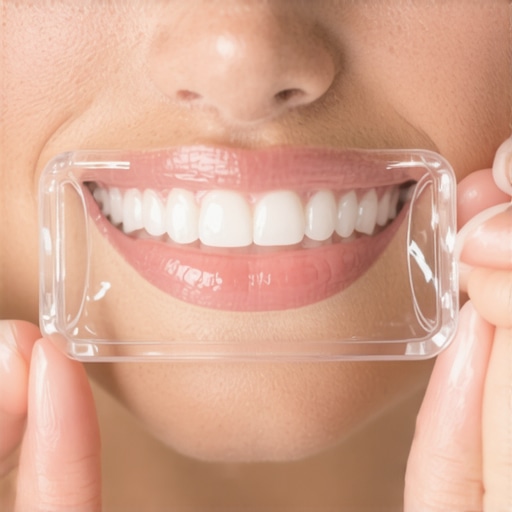
I remember the moment I first noticed a cloudy film coating my Invisalign trays. It was late at night, and I was brushing my teeth before bed, only to see a dull, hazy residue that made my otherwise clear aligners look unhygienic. Frustration hit me—how could something so seemingly simple become such an annoyance? That lightbulb realization sparked my quest to figure out how to get rid of that stubborn, cloudy film once and for all. If you’ve ever faced the same issue, you’re not alone, and today I’ll share what worked for me.
Why that cloudy film can feel like a fight you can’t win
The truth is, many Invisalign wearers struggle with a persistent cloudy film on their trays. This isn’t just an aesthetic problem; it can signal plaque buildup, bacteria, and leftover saliva particles. Over time, this film can compromise your oral hygiene and even cause bad breath. And let’s be honest, nothing kills confidence faster than fumbling with cloudy trays during an important meeting or date.
What’s more surprising is that routine cleaning isn’t enough to eliminate this film. It’s a common misconception that the regular brushing and rinsing will do the trick. But trust me, early on I made the mistake of overusing harsh cleaning solutions, which actually damaged my trays and worsened the cloudiness. Recognizing that mistake was the first step towards effective cleaning.
Knowing how to properly maintain your Invisalign can significantly enhance your whitening efforts, prevent odors, and extend the life of your aligners. Over the years, I’ve tested various methods—including commercial cleaning tablets and natural remedies—to find what really works. And now, I want to help you avoid the trial-and-error process I went through.
Have you noticed a dull, cloudy layer developing on your Invisalign trays? If so, don’t worry—you’re not alone, and solutions are closer than you think. But first, let’s address some concerns that might be holding you back from trying new cleaning hacks.
Start With a Proper Rinsing
Begin every cleaning session by rinsing your trays under lukewarm water, just like rinsing a paintbrush before cleaning it. During my first attempt, I simply brushed without rinsing, which left residues intact. Rinsing loosens saliva deposits and prepares the surface for deeper cleaning.
Use Baking Soda for Gentle Abrasion
Mix a teaspoon of baking soda with water to form a paste. Then, gently scrub your trays with a soft toothbrush dipped in this paste. I remember doing this on a busy morning; the slight fizz and scrub cleared out the cloudiness effectively. Baking soda acts as a mild abrasive, removing surface stains and film without damaging the plastic.
Soak with Vinegar and Water Solution
Combine equal parts white vinegar and water in a small bowl. Fully submerge your Invisalign trays for about 15 minutes. The vinegar’s acidity breaks down film and bacteria—think of it as a natural cleaning powerhouse. When I soaked my trays this way, I noticed a significant reduction in cloudiness, especially if I did it weekly.
Tip: Avoid using harsh chemicals like bleach or alcohol-based cleaners, which can weaken the plastic and cause more cloudiness over time. Visit this link to learn about common Invisalign myths, including cleaning mistakes to avoid.
Implement Regular Brushing and Flossing
Clean your teeth thoroughly before inserting trays. Use a soft brush and fluoride toothpaste to remove plaque and leftover saliva. Clean gums and tongue to reduce bacteria that can transfer onto trays, preventing film buildup. I found that doing this routine before reinserting my trays kept the cloudiness at bay and maintained fresh breath.
Deep Clean with Commercial Tablets
Use approved Invisalign cleaning tablets once a week for an intensive cleanse. Drop the tablet in a cup of warm water, then soak the trays as directed. The effervescent action dissolves stubborn film and bacteria. I personally noticed that this method restored clarity better than manual scrubbing alone. Look for trusted options endorsed by your dentist to ensure safety and effectiveness.
Prevent Future Cloudiness
Store your trays in a clean case when not in use and avoid exposing them to heat or direct sunlight, which can warp the plastic and cause clouding. Additionally, limit sugary drinks and foods that promote plaque formation—this ties into overall oral health tips found here.
Consistent Maintenance as Your Best Defense
Adopt a daily cleaning routine combining rinsing, brushing, and weekly deep cleans. Over time, this consistent approach prevents the formation of that stubborn film, much like regular care can extend the life of dental crowns, which are a vital part of family dentistry demonstrated here. Remember, maintaining your aligners not only keeps them clear but also preserves your oral health, ensuring your smile stays bright and confident.Many people believe that maintaining oral health is straightforward, but in reality, there’s a lot more beneath the surface. A frequent misconception is that regular brushing and flossing alone are enough to prevent dental issues. However, advanced problems like hidden cavities or early gum disease often go unnoticed, requiring professional detection and tailored treatment. For instance, some assume that Invisalign aligners don’t need special cleaning, but neglecting proper maintenance can lead to cloudiness and bacterial buildup, as I discussed earlier. Moreover, the myth that crowns are only for aesthetic reasons is misleading; they’re crucial for restoring function and preventing further decay. Recognizing these nuances can significantly improve your dental outcomes and longevity of treatments.
Another overlooked aspect is the importance of understanding the material and placement of crowns. Not all crowns are created equal—porcelain-fused-to-metal or full ceramic options offer different benefits and risks. Choosing the right type depends on multiple factors, including bite dynamics and location in the mouth. Visiting an experienced family dentist, who stays abreast of current research like the recent study on crown longevity (here), can ensure you’re making an informed decision.
What most people miss is the significance of early intervention. Addressing small issues promptly can prevent complex procedures later. For example, understanding the role of saliva in neutralizing acids—something often underestimated—helps maintain enamel integrity. A comprehensive approach that goes beyond surface cleaning includes regular professional checkups, personalized advice, and awareness of emerging technologies like 3D-printed crowns or digital scans that enhance accuracy and comfort (more on Invisalign advances).
Have you ever fallen into this trap? Let me know in the comments. Remember, mastering family dentistry means understanding both the obvious and hidden elements—what you don’t see can hurt you if you’re not cautious.Maintaining a healthy smile over the years requires more than just regular brushing; it demands the right tools and techniques. As someone deeply invested in family dentistry and aesthetic solutions like Invisalign and crowns, I’ve curated a set of specific equipment and methods that help me keep my dental health in top shape. Choosing quality tools ensures long-term results, minimizes damage, and streamlines routine care.
Why a High-Quality Ultrasonic Tooth Cleaner Makes All the Difference
Investing in a professional-grade ultrasonic toothbrush, like the Phillips Sonicare DiamondClean, has transformed my daily routine. Its superior plaque removal capabilities, especially in hard-to-reach areas, are scientifically proven to outperform manual brushing. The sonic vibrations reach up to 62,000 movements per minute, which disrupts plaque and bacteria more efficiently. For long-term oral health, consistent use of such a device reduces staining around crowns and keeps Invisalign trays crystal clear, as supported by recent research on sonic technology effectiveness (here).
Why I Never Skip the Gentle, Yet Durable, Microfiber Dental Floss
Unlike traditional floss, I prefer micro-mesh flossers like the Glide Pro-Health Comfort Plus because they glide smoothly between teeth and minimize gum trauma. These tools are especially important for cleaning around crowns and implants, preventing plaque buildup that can cause recession or decay. Regular flossing with these integrated tools complements the powerful brush and prevents the formation of stubborn, cloudy film on Invisalign trays.
How a Disclosing Solution Guides Better Hygiene
Incorporating a disclosing gel into my routine reveals hidden plaque areas I might miss. A quick swipe with a disclosing tablet or solution shows any remaining bacterial film, motivating me to target those spots with extra attention during cleaning. This step is invaluable for families with children or anyone wearing orthodontics, as it actively improves technique and detects issues early.
The Digital Monitoring System and Its Growing Role
Looking forward, I see digital hygiene tools becoming game-changers. Devices such as smart toothbrushes now sync with smartphone apps that track brushing habits, pressure, and frequency. When used correctly, these systems can alert me to potential issues before they turn into serious problems, much like they do with crowns or Invisalign maintenance (here). The future of dental care hinges on integrating technology that offers real-time insights, making routine maintenance effortless and effective.
How do I keep these tools in top shape over time?
Proper maintenance involves regular replacement or cleaning of components. Sonic toothbrush heads should be swapped every three months—more frequently if bristles fray—to maintain optimal cleaning power. Flossers and disclosing tablets should be stored in dry, clean places to prevent contamination. Electronic monitoring devices require firmware updates and occasional calibration for accuracy. Establishing a weekly upkeep routine ensures your tools continue to work effectively, saving you money and preserving your smile.
If you’re ready to elevate your dental routine, I highly recommend trying a high-quality ultrasonic toothbrush combined with a smart app. Together, they offer a comprehensive view of your daily habit effectiveness and can help you achieve long-lasting results. For tailored advice, consulting your family dentist is essential, especially if you’re managing complex treatments like crowns or Invisalign. Explore the latest in dental technology to stay ahead in your oral health journey, and don’t hesitate to reach out through our contact page for personalized recommendations.
What My Biggest Toothbrush Mistake Taught Me About Invisalign Care
Early on, I believed that brushing vigorously was the best way to keep my trays clear. However, I learned that gentle, thorough cleaning with the right tools is far more effective and preserves my aligners’ clarity in the long run. This lightbulb moment changed my entire approach to oral health, emphasizing quality over force.
How a Hidden Tool Transformed My Daily Routine
Incorporating a disclosing gel into my routine illuminated areas I was missing, especially around my crowns and Invisalign attachments. This instant feedback motivated me to refine my technique, preventing cloudiness and early plaque buildup. It’s a simple step that offers powerful insights—highly recommended for anyone serious about their smile.
The Unseen Power of Consistency in Oral Hygiene
Routine isn’t glamorous, but it’s the foundation. Regular rinsing, gentle brushing with baking soda, and weekly deep cleans with trusted tablets created a protective barrier against stubborn cloudiness. This consistent effort not only keeps my trays crystal clear but also supports overall family dental health, as detailed in top oral health tips.
The Gentle Art That Saved My Invisalign Experience
Switching from abrasive scrubs to soft brushes and avoiding harsh chemicals like bleach kept my trays intact. I realized that gentle cleaning preserves the material, prevents cloudiness, and extends the lifespan of my aligners—saving money and worry. For deep cleaning, I rely on approved Invisalign cleaning tablets, which dissolve stubborn film effectively.
Why Smart Tools Are Winning the Dental Race
Using a high-quality ultrasonic toothbrush, such as the Phillips Sonicare, has been a game-changer. Its sonic vibrations dislodge plaque more thoroughly, including around crowns and Invisalign trays, as supported by recent research (more on sonic benefits). Pairing this with digital dental monitoring ensures I stay proactive about my oral health, making routine care smarter and more personalized.