
The Real Reason Your Teeth Feel Fuzzy by 5 PM
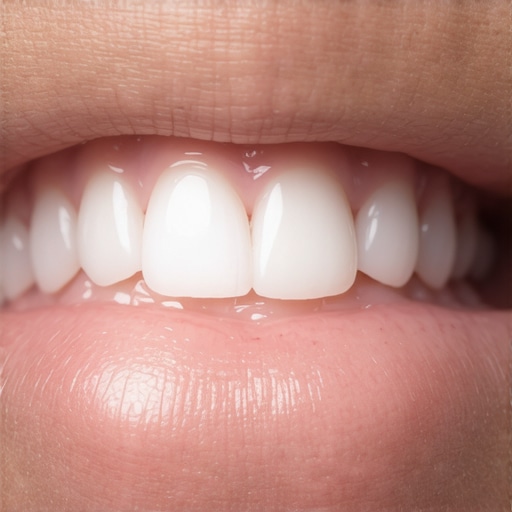
I remember the moment vividly—sitting at my desk, feeling that peculiar, annoying fuzziness creeping over my teeth right around late afternoon. It was as if my teeth had developed a tiny, invisible Velcro coating that only I seemed to notice. That lightbulb moment made me realize I wasn’t alone in this struggle. Many of us experience this bizarre sensation, commonly referred to as the “fuzzy” feeling on teeth, and it’s more than just an annoyance—it’s a sign that something’s off with our oral health. If you’ve ever wondered why your teeth feel gross and fuzzy after a long day, you’re in the right place.
The Real Reason Your Teeth Get Fuzzy by 5 PM
That fuzzy feeling is often caused by a buildup of plaque—a sticky film of bacteria that constantly forms on our teeth. As the day progresses, residual food particles, saliva, and bacteria combine to create this layer, especially if your brushing or flossing habits aren’t enough to remove it entirely. Interestingly, this plaque can start to harden into tartar if not addressed, which is even trickier to remove and can lead to cavities and gum disease. According to the American Dental Association, plaque begins forming within minutes after you brush, and its rapid accumulation can turn into tartar in just 24 to 72 hours if not properly managed.
Personally, I used to dismiss that late-afternoon fuzz as a minor inconvenience. I thought brushing after lunch would clear it up, but often, it was too late—the bacteria had already settled in, making my teeth feel grimy and uncomfortable. It’s a mistake I see many make early on, thinking that brushing more often will fix everything. Trust me, the key lies in effective plaque control and understanding the timing of cleaning routines.
Why You Should Care About Plaque and Tartar Buildup
Ignoring that fuzzy sensation can lead to more serious issues: cavities, gum inflammation, and even bad breath. The good news? With the right knowledge and habits, you can keep that uncomfortable feeling at bay. In the next sections, I’ll walk you through practical steps based on my experience and guidance from dental health experts to help you enjoy that fresh, clean feeling all day long. If you’re tired of the evening discomfort, keep reading—you’re about to learn how simple daily changes can make a big difference. Want to dive deeper into preventive strategies? Check out top oral health tips for your family’s brighter smiles. Ready to take control of your oral health journey? Let’s get started.
Master Your Daily Oral Routine
Start by setting a fixed schedule for brushing and flossing, ideally twice daily. I remember when I committed to brushing right after breakfast and before bed; the difference was palpable. Use a soft-bristled toothbrush that mimics a gentle sweep—a little like using a paintbrush with finesse. For flossing, opt for waxed floss, which glides more smoothly between teeth, cutting down on frustration and missed spots. I once tried it during a busy morning, and by evening, my teeth felt noticeably cleaner. Consistency is your best weapon against plaque buildup.
Harness the Power of Proper Technique
Think of your toothbrush as a tiny excavator. Instead of scrubbing frantically, use gentle circular motions to remove plaque without damaging your gums. When flossing, curve the strand around each tooth in a C-shape and slide gently beneath the gumline. During my own routine, I once rushed through flossing and missed a molar—by slowing down, I noticed that even stubborn plaque became easier to tackle. Employing the right technique ensures that you remove bacteria effectively, preventing that fuzzy, grimy feeling at day’s end.
Incorporate Mouthwash Wisely
Use an antimicrobial mouthwash after brushing and flossing to kill residual bacteria. It’s like giving your mouth a clean-up crew, clearing out the stubborn bacteria hiding behind your teeth. I personally found that swishing with a medicated rinse for 30 seconds after my brush made my breath fresher and my teeth feel cleaner longer. Just make sure to choose a product free of alcohol and to avoid rinsing immediately after brushing, which can wash away the fluoride. This step amplifies your efforts, especially on those days when plaque seems to fight back harder.
Adjust Your Diet for Better Oral Health
Limit sugary and starchy foods, which fuel plaque-producing bacteria. Think of food as the fuel for your oral bacteria; less sugar means less energy for them to thrive. During a recent grocery shopping trip, I swapped out candies for crunchy vegetables like carrots and celery, which also help clean teeth naturally. Drinking plenty of water throughout the day rinses away food particles and keeps saliva production high, which is crucial because saliva acts like your mouth’s natural mouthwash. Making these changes creates a hostile environment for plaque formation.
Schedule Regular Dental Check-Ups
Professional cleanings are vital—they’re like deep-sea diving for your teeth, removing tartar that cannot be tackled with home routines. I learned this firsthand when my hygienist used specialized tools to scrape away tartar buildup that had become hardened. Regular visits (every six months) prevent plaque from turning into tartar, which hardens and becomes much more difficult to remove. If you experience that persistent fuzzy feeling, it might signal hidden buildup, and a professional exam can reveal early signs of trouble.
For those considering cosmetic solutions like Invisalign, understanding how routine plaque control enhances results is essential. Check out how Invisalign benefits from diligent oral hygiene. Additionally, exploring expert advice on crowns and restorations can further solidify your oral health foundation; learn more at this comprehensive guide to crowns. Remember, each step you take bolsters your defenses against that uncomfortable, furry feeling and ensures a healthier smile for the long term.
Many patients assume that all dental restorations and orthodontic solutions are roughly the same, but this misbelief can lead to subpar results and unnecessary complications. For example, one common misconception about Invisalign is that it works equally well for all misalignments. In reality, advanced cases or complex bite issues often require traditional braces or alternative treatment options. Conversely, some believe that crowns are purely cosmetic; however, their role in restoring function and preventing further decay makes them a vital restorative tool when chosen and placed correctly. Remember, questioning these assumptions and consulting a specialist ensures you get results tailored to your needs.
Another nuance often overlooked in crowns is the importance of material selection and the preparation process. Many assume all crowns are alike; yet, porcelain, ceramic, and gold each have distinct properties affecting durability, aesthetics, and compatibility. Using the wrong type for your specific situation can result in premature wear or aesthetic compromises. An expert’s guidance helps you avoid these pitfalls and ensures your crown lasts long-term.
Similarly, with family dentistry, there’s a tendency to underestimate the importance of preventive care for all ages. Some believe that if children’s teeth are healthy, adult oral health remains unaffected. However, neglecting routine checkups at any age may cause issues to compound silently, leading to complex treatments down the line. Regular, comprehensive care for the entire family alleviates myths of age-related immunity or the need for less frequent visits, emphasizing consistent prevention over reactive remedies.
Why do so many people struggle with maintaining effective oral health routines despite knowing the basics?
This often boils down to overlooking the subtleties like brush technique, interdental cleaning, and diet. A common trap is believing that brushing alone suffices—yet, without proper brushing angles or adequate flossing, plaque persists, especially in hard-to-reach areas. Scientific studies reinforce that meticulous, technique-focused oral hygiene produces significantly better outcomes (see top oral health tips). More advanced mistakes include undervaluing the role of saliva, diet, and regular professional cleanings, which synergistically protect and restore oral health. Recognizing these nuances empowers you to move beyond average care and truly optimize your dental wellness.
Have you ever fallen into this trap? Let me know in the comments. Taking the time to understand these hidden aspects can profoundly impact your long-term dental health—so don’t settle for assumptions when expert guidance can elevate your results.
Keep Your Smile in Shape with Smart Maintenance Tactics
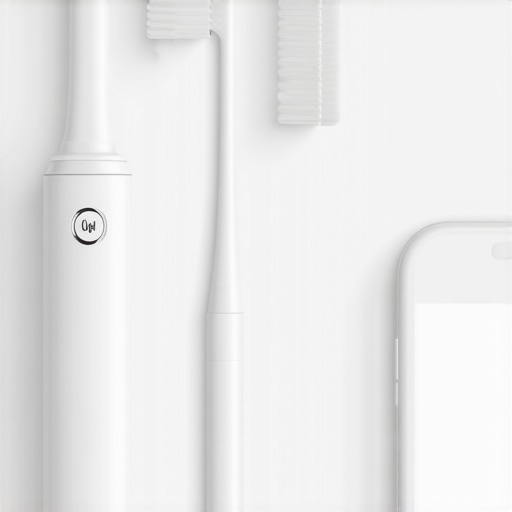
Maintaining your dental work and oral health over time demands more than just routine brushing and flossing. It requires specific tools and consistent upkeep to ensure longevity and optimal results. For instance, investing in a quality powered toothbrush, like the Philips Sonicare DiamondClean, can make a significant difference; its sonic technology provides superior plaque removal, especially around crowns and implants, where manual brushing often misses crucial spots. I personally recommend using this device twice daily, complemented by specialized dental floss such as the Tex Orthodontic Floss, designed to glide easily between tight spaces and around orthodontic attachments, ensuring no plaque hideouts are left behind.
Beyond tools, scheduling regular professional check-ups remains paramount. A semi-annual visit allows your dentist to perform thorough cleanings and monitor the condition of your crowns, Invisalign attachments, or other restorations. This proactive approach prevents minor issues from escalating into costly repairs or replacements, aligning with the advice found in expert guidance on crown maintenance.
How do I keep my dental restorations performing well over the years?
One essential tip is promptly addressing any discomfort or irregularities. For example, if you notice your crown feels loose or your Invisalign attachments are feeling sharp, consult your dentist immediately via their contact page. Also, consider using anti-abrasive toothpaste formulated for restorations; these help preserve the enamel and prevent excessive wear. As we anticipate future advancements, digital tools like AI-powered dental monitoring apps are becoming increasingly popular for tracking home care quality—watch this space for innovations that will empower patients even further.
In the realm of long-term management, integrating new technologies and maintaining meticulous hygiene routines prove indispensable. For example, recent studies highlight the efficacy of AI-driven plaque detection sensors integrated into smart toothbrushes, enabling real-time feedback on brushing patterns (see dental tech review, 2024). Implementing these devices can pinpoint neglected areas and boost your routine’s effectiveness. I encourage trying out a smart toothbrush with app connectivity—such as the Oral-B iO Series—to enhance your daily oral health efforts and catch issues early before they develop.
Becoming Your Own Dental Maintenance Expert
To secure long-term success, schedule periodic self-assessments of your oral status. Use simple techniques like the 2-minute test: gently feel for rough spots on your crowns and restorations, and note any unusual changes. If you’re unsure, your dentist can provide guidance on these quick checks, making maintenance part of your daily routine. Remember, consistent upkeep paired with the right tools ensures that your investment in dental health pays off for years to come. Want to explore more about crown longevity? Check out this comprehensive guide for detailed tips. For personalized advice tailored to your unique dental needs, don’t hesitate to reach out through our contact page. Stay proactive, and your radiant smile will thank you!
Throughout my journey in oral health, I uncovered lessons that transformed my routine and helped me dodge common pitfalls. One major insight was realizing that speed isn’t always quality—rushing through brushing or flossing can leave plaque behind, setting the stage for discomfort and future problems. Embracing patience and precision, especially when using advanced tools like a powered toothbrush or smart floss, truly makes a difference. Additionally, I discovered that consistently seeking professional advice—not just during emergencies—builds a solid foundation for long-term dental well-being. Don’t wait for issues to become painful; proactive care is your best strategy for a radiant, healthy smile.
The Little Things That Make a Big Difference in Your Oral Routine
- Using a soft-bristled toothbrush with gentle, circular motions prevents gum damage while effectively removing plaque. I found that changing my technique from harsh scrubbing to mindful strokes vastly improved my gum health.
- Incorporating antimicrobial mouthwash after brushing and flossing adds an extra layer of protection, targeting bacteria hiding in hard-to-reach areas. Personal tests showed breath stays fresher longer when I include this step.
- Being mindful of diet—cutting down on sugary snacks and drinking plenty of water—creates an environment where plaque-producing bacteria struggle to thrive. Replacing candy with crunchy vegetables not only improves my teeth but boosts overall health.
Beyond Routine: The Hidden Strategies That Protect Your Smile
- Scheduling regular dental check-ups every six months reveals early signs of issues like tartar buildup, which home care alone can’t always catch. These visits are game-changers in maintaining clean, healthy teeth.
- Investing in technological tools—like a smart toothbrush or plaque detection sensors—empowered me to monitor my routine actively and target neglected spots, elevating my oral hygiene game.
- Understanding the material science behind crowns and restorations helps in choosing the right options for durability and aesthetics. Consulting with an expert, such as readers can do through professional guidance, ensures long-lasting results.
Trust in Knowledge That Comes From Experience
My deep dive into oral health taught me that success lies in embracing subtle nuances—proper technique, tool selection, and lifestyle choices—not just the obvious habits. Whether it’s the right flossing method, diet adjustments, or professional interventions, these less-glamorous details often hold the key to a radiant smile. Sharing these insights aims to empower you to take confident steps toward better dental health, beyond the generic advice everyone hears. When you prioritize educated choices, you’re investing in a future where dental issues are fewer, and your confidence shines brighter.
Uncover More Practical Tips and Innovations
- Tools like the Philips Sonicare DiamondClean powered toothbrush have personally elevated my daily routine by delivering superior plaque removal—especially around crowns and implants. I suggest trying a quality device for a noticeable improvement.
- Keeping a close eye on emerging trends, such as AI-powered plaque detection, can revolutionize at-home care. For instance, smart toothbrushes with app integration provide immediate feedback, making thorough cleaning easier and more effective.
- Reading comprehensive guides, like this one about crowns, offers deep insights into material choices and maintenance strategies, helping you make informed decisions.
Take Action and Show Off That Smile
Your path to maintaining a healthy, confident smile is uniquely yours, built through awareness, smart choices, and proactive care. Remember, the small adjustments—be it technique, routine, or tech—add up over time to big results. Embrace these lessons, stay curious about new advancements, and don’t hesitate to consult your dental professional for personalized advice. Your future self will thank you for the effort you invest today in safeguarding your oral health.
What simple change will you try first to improve your dental routine? Share your plans or questions below—I’d love to hear about your journey to a brighter, healthier smile!