
Why your gums bleed even if you floss every single day
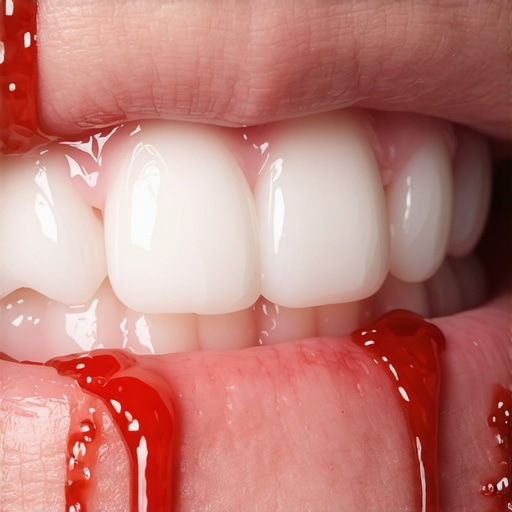
I remember the moment clearly. I was diligently flossing before bed, feeling quite proud of my routine, when I noticed something alarming — blood. Not just a tiny bit, but enough to make me pause and question everything I thought I knew about oral hygiene. It was a lightbulb moment for me, realizing that good habits alone might not be enough, especially when there’s an underlying issue I couldn’t ignore.
Confronting the Mystery of Bleeding Gums Despite Daily Flossing
As someone who’s passionate about family dentistry and helping others maintain healthy smiles, I want to share what’s been a game-changer in my understanding of gum health. Many people, including myself initially, fall into the trap of believing that bleeding gums are just a sign of poor hygiene or that they’re normal. But that’s far from the truth. Bleeding gums, especially when you floss every day, can be an early warning sign of underlying conditions like gingivitis or even more serious periodontal disease.
Here’s the thing: I used to think that if I was flossing regularly, my gums should be pink, firm, and bleed only occasionally, if at all. But I was making a common mistake—overlooking the root cause. Over time, I learned that persistent bleeding isn’t just a minor inconvenience; it can be a signal that my gums are inflamed or infected, needing more attention than just brushing and flossing alone can provide. It’s essential to approach this issue with the seriousness it deserves, rather than dismissing it as a minor problem.
Could This Be More Than Just Bleeding? The Biggest Fears We Face
Many of us worry that bleeding gums are a sign of something worse, perhaps even leading to tooth loss. I’ve heard countless stories from friends and family about ignoring bleeding gums and eventually facing costly procedures or tooth decay. Early intervention is key, but it all starts with recognizing that the problem isn’t going away by itself. In fact, neglecting bleeding gums can accelerate the deterioration of your oral health.
Early on, I made the mistake of thinking that my diligent flossing meant I had nothing to worry about. I wasn’t alone—many believe that consistent flossing automatically guarantees a healthy mouth. But according to the American Academy of Periodontology, bleeding gums are a sign of inflammation, which, if left untreated, can progress to periodontitis and cause irreversible damage see here. That was a wake-up call for me, and I hope it is for you too.
So, if you’ve faced this frustrating problem—bleeding despite your best efforts—know that you’re not alone, and there’s a path forward. The next steps involve understanding the real causes and taking action to protect your smile for the long haul. Ready to explore what might be behind your bleeding gums and how to stop it? Let’s dive in.
Identify the Underlying Cause of Persistent Bleeding
Start by assessing your oral hygiene routine. Even with regular flossing, bleeding gums may signal inflammation or more serious issues like periodontal disease. Schedule a dental checkup to get professional diagnostics. During my own experience, a thorough examination revealed early-stage gingivitis that needed targeted treatment, emphasizing the importance of professional assessment.
Improve Your Flossing Technique
Proper flossing is crucial. Use about 18 inches of floss, curve it around each tooth, and gently glide under the gum line without forcing. I once tried to floss too aggressively, which caused bleeding, but after learning the correct technique from my dentist, the bleeding diminished over a week.
Incorporate Effective Oral Hygiene Practices
Complement flossing with brushing twice daily using fluoride toothpaste and an electric toothbrush if possible. Replace your toothbrush every three months. Think of your toothbrush as a paintbrush—stiff bristles can damage gums, so choose soft ones. In my routine, switching to a soft-bristled brush significantly reduced gum irritation.
Use Anti-Inflammatory Rinses and Supplements
Rinses containing chlorhexidine or sea salt water can help reduce inflammation. Consider adding vitamin C and coenzyme Q10 supplements to support gum health. I started with a sea salt rinse, which instantly soothed my gums after flossing, making the process more comfortable.
Watch for Signs of More Serious Issues
If bleeding persists beyond two weeks or worsens, seek immediate dental attention. Conditions like periodontitis require professional intervention. I learned this the hard way when my gums continued bleeding despite excellent home care; prompt treatment Saved my smile. Avoid neglecting these signs and consult experts like those at family dentistry clinics to prevent irreversible damage.
Plan Long-Term Maintenance and Monitoring
Schedule regular dental visits, at least twice a year, for cleanings and evaluations. Maintaining consistent professional care reinforces your daily efforts. I set reminders for my dental appointments, which kept my gums healthy and avoid repetitive flare-ups. Remember, your commitment to good habits, combined with professional guidance, is the best defense against bleeding gums and other oral health issues.
Many misconceptions persist around family dentistry, especially when it comes to oral health, crowns, and Invisalign. Common beliefs often lead patients astray, resulting in overlooked issues or subpar outcomes. Let’s delve into some of the nuanced truths that many overlook, and why understanding these can make a significant difference in your dental journey.
Contrary to popular belief, choosing the cheapest dentist or the most advertised orthodontic solution isn’t always the best route. For instance, when considering crowns, many assume that a generic porcelain crown provides long-lasting results. However, the true success depends heavily on the expertise of the dentist and the quality of materials used. I recommend consulting comprehensive guides like this ultimate crown guide to understand what makes a crown durable and natural-looking, rather than just opting for the lowest cost option.
Similarly, there’s a widespread myth that Invisalign is suitable for everyone seeking straight teeth. While it’s often a fantastic solution, the hidden nuance lies in its proper application. Not every case is ideal for Invisalign, especially severe malocclusions or complex bite issues. Advanced cases require experience and sometimes the integration of traditional braces or other treatments. An experienced family dentist will assess your unique needs and may even combine treatments for optimal results. To avoid regret, explore detailed articles such as how Invisalign is evolving in family dentistry and consult with specialists for personalized advice.
How can overlooked details in your dental routine impact long-term health?
One critical mistake many make involves neglecting the hidden signs of wear or early decay beneath crowns or Invisalign attachments. These issues often go unnoticed until they cause discomfort or more extensive damage. For example, a poorly fitted crown can trap plaque or exert uneven pressure, leading to gum recession or secondary decay. Regular checkups are essential to catch these nuances early. Learn about the significance of crown fit and maintenance from this guide.
Moreover, patients sometimes underestimate the importance of comprehensive assessments that look beyond surface symptoms. Advanced imaging, like 3D scans, can reveal hidden problems beneath restorations or with orthodontic appliances. As noted by dental researchers, these technologies substantially improve diagnosis accuracy and treatment planning. Incorporating such nuanced insights ensures long-term success and health.
In summary, avoiding these common pitfalls requires a nuanced understanding of both the materials and techniques involved, as well as the importance of individualized care. Rather than settling for generic advice or quick fixes, invest time in understanding the intricacies of your dental needs. Your future smile depends on it. Have you ever fallen into this trap? Let me know in the comments.
Keep Your Equipment in Peak Condition
As a family dentist, I emphasize the importance of not just investing in quality tools but also maintaining them properly. For instance, my go-to electric toothbrush is the Oral-B iO series, which I personally select for its advanced oscillating-rotating technology that ensures better plaque removal and gum stimulation. Regularly cleaning and replacing the brush head every three months prevents bacterial buildup and ensures optimal performance learn more about maintaining oral hygiene tools. Additionally, I recommend using sterilization pouches for your dental instruments, especially if multiple family members share tools, to minimize cross-contamination.
Tools I Trust for Consistent Results
My personal toolkit includes the Philips Sonicare DiamondClean for gentle yet effective cleaning, and the Waterpik Ultra Water Flosser, which I find invaluable for reaching periodontal pockets and cleaning around crowns and Invisalign attachments. These tools are indispensable for long-term oral health, particularly when managing complex cases involving crowns or orthodontic appliances. Investing in high-quality, reliable tools translates into better health outcomes and less need for corrective procedures down the line. For ongoing success, I advise setting a routine maintenance schedule—similar to how you’d service a car—to keep everything functioning smoothly.
Integrate Smart Technology for Better Monitoring
Looking ahead, technology continues to make strides in dental health management. Smart toothbrushes like the Colgate Smart Electronic Toothbrush connect to apps that track brushing habits, pressure, and area coverage, providing real-time feedback. I personally use one to monitor my technique and ensure I’m not missing critical zones. Moreover, newer devices now incorporate AI-powered sensors that assess gum health over time, alerting you when issues arise before they become serious. These tools reinforce good habits and streamline maintenance, making long-term oral health more attainable.
How do I maintain my dental tools over time?
Regular cleaning after use, proper storage in dry, clean environments, and routine replacement of consumables like brush heads are essential. I also recommend scheduling periodic professional cleanings of your tools—like ultrasonic cleaning for some electric brushes—to ensure they stay bacteria-free and operating effectively. Using tools properly enhances their longevity and effectiveness, ultimately protecting your investment in family oral health. Incorporate these practices, and you’ll find that your tools work harder for you, providing lasting results and reducing the need for costly repairs or replacements. Don’t forget to review your tools’ manuals and consider consulting with your dentist for personalized advice tailored to your family’s needs.
Remember, maintaining your dental tools isn’t just about hygiene; it’s about ensuring they perform their best and prolonging their lifespan. If you’re curious about upgrading your current equipment or exploring the latest in dental technology, visit our contact page for expert guidance. Try implementing a routine check-up for your tools today, and enjoy the long-term benefits of a healthy, happy smile for your family.
What I Wish I Knew About Fixing Bleeding Gums
The biggest lightbulb moment for me was realizing that persistent bleeding gums could be a sign of serious underlying issues, not just poor hygiene. Trusting my routine blindly almost cost me my smile, but working closely with my dentist revealed the importance of personalized care and early intervention. It taught me that listening to your body’s signals, like bleeding gums, can save you from costly repairs later.
How High-Quality Tools Can Transform Your Oral Care Game
Investing in reliable tools like the Philips Sonicare DiamondClean or Waterpik Ultra Water Flosser made a noticeable difference in my daily routine. They’re more than just gadgets; they’re partners in ensuring long-term health. Regularly maintaining these tools, like replacing brush heads or sterilizing instruments, is crucial — it keeps them functioning at their best and keeps me confident in my care routines.
The Power of Smart Technology in Family Dentistry
Embracing smart toothbrushes and app-connected devices opened my eyes to habits I never knew I had. Monitoring my brushing and flossing with these tools helped me identify weak spots and improve. Early detection tools, like AI-powered gum health assessments, reinforce good habits and catch issues before they escalate, reminding me that technology can be a gentle yet effective family dental ally.
Ask Yourself: Are Your Dental Tools Supporting or Hindering?
Keeping dental equipment in top shape isn’t just about hygiene—it’s about effectiveness. Regular inspections, proper storage, and timely upgrades prevent bacteria buildup and ensure optimal performance. For busy families, establishing a routine maintenance schedule can make a huge difference, turning everyday tools into silent heroes of healthy smiles, as I experienced firsthand.
Where I’m Going Next in Family Dentistry
From understanding that not all crowns or Invisalign cases are created equal to leveraging new imaging tech, my journey highlights how ongoing education and personalized care are irreplaceable. When you explore dedicated resources like the ultimate guide to crowns, you arm yourself with knowledge that can prevent common pitfalls and ensure lasting results. Remember, a dedicated approach now means a confident smile tomorrow.
Embrace the Future of Smile Care Today
Your commitment to understanding family dentistry and oral health is the first step toward a lifetime of confident smiles. Small changes, like refining your technique or upgrading your tools, can lead to big long-term benefits. Keep learning, stay curious, and never underestimate the power of a healthy, radiant smile. What step will you take today to improve your family’s oral health? Share your plans in the comments — I love hearing your stories!