
The real reason your gums are receding in just one spot
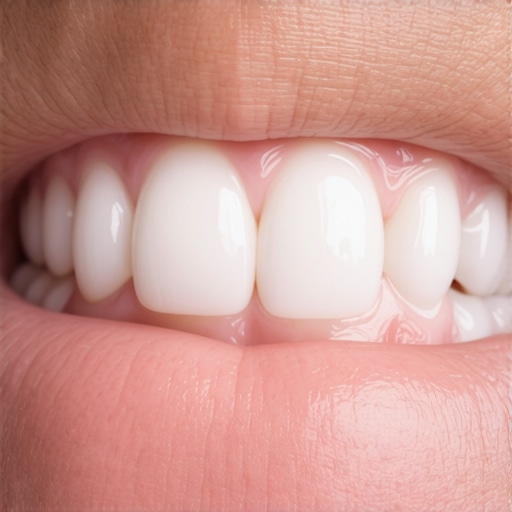
It was a quiet Tuesday evening when I caught myself in the mirror, inspecting my smile more closely than usual. Suddenly, I noticed something alarming—my gums in one little spot looked like they were retreating. Not a gradual, even recession, but a sudden, sharp decline that took me by surprise. I remember feeling a mix of frustration and worry, questioning what I did wrong. As someone who’s dealt with family dentistry for years, I knew this wasn’t just a cosmetic issue; it could be a sign of underlying problems that needed urgent attention.
The Real Reason Behind Spot Recession
Understanding why your gums recede in just one area can feel confusing. Often, we think poor brushing habits or aging are the main culprits, but sometimes the answer is more specific—like localized trauma or an uneven bite. The good news is, in many cases, pinpointing the cause is simpler than it sounds, and addressing it appropriately can save you from more invasive procedures down the line.
Is Gum Recession in One Spot Actually Worth Worrying About?
I’ll admit, at first, I brushed it off—literally. I thought maybe I’d been too rough on that side or caught food in a weird way. But early on, I made a crucial mistake: ignoring the pain and not consulting my dentist. That hesitation cost me valuable time and led me to explore solutions that I eventually found through trusted dental resources, like [familydentistpro.com](https://familydentistpro.com/why-crowns-are-a-game-changer-in-restorative-dentistry).
This personal experience taught me that localized gum recession isn’t just a small problem. It could signal something more serious, like gum disease or biting issues, which I’ll walk you through shortly. The goal here isn’t to scare you but to help you recognize the warning signs early and take action before it’s too late.
So, if you’ve noticed a similar spot on your gums starting to retreat—for example, that strange little pocket or sensitivity—know you’re not alone. And more importantly, you don’t have to suffer in silence. Up next, I’ll share practical steps and insights that helped me reverse and manage this issue effectively, helping you regain your confidence and health.
Identify the Root Cause with Precision
Start by examining the affected area closely. Is the gum recession linked to aggressive brushing, an uneven bite, or trauma from habits like nail-biting? Personally, I noticed my gum was receding after I accidentally bit down too hard on that side during a meal. To confirm, schedule a professional assessment—your dentist will look for signs of localized irritation, plaque buildup, or bite alignment issues that could be contributing to the problem.
Optimize Your Oral Hygiene Routine
Cleaning needs to be thorough but gentle. Think of your gums like a delicate garden needing care; harsh scrubbing can damage tender tissues further. Use a soft-bristled toothbrush and avoid applying excessive pressure. I switched to a rechargeable electric toothbrush with pressure sensors, which buzzed if I brushed too hard, preventing inadvertent damage. Regular flossing helps remove debris that can cause inflammation, but don’t floss aggressively—gently slide the floss under the gumline in a C shape.
Targeted Flossing Technique Improves Outcomes
I learned that improper flossing can worsen recession by pushing bacteria deeper or injury-inducing motions. Focus on carefully cleaning just below the gum margin without forcing the floss into the tissue. This approach reduces inflammation and promotes healing. Consider using interdental brushes for larger gaps—they’re like tiny scrapers that ease out plaque without trauma.
Address Mechanical Factors: Bite and Alignment
Uneven bites or malocclusion can create pressure points that accelerate recession. Book an evaluation for occlusion analysis—your dentist might recommend orthodontic solutions like Invisalign, which is less conspicuous and highly effective. I personally opted for Invisalign after reading about its benefits for adult cases in this comparison. Invisalign uses clear aligners to gradually shift teeth, alleviating undue stress on gums and preventing further recession.
Consider Restorative Options
If recession has resulted in significant tissue loss, a gum graft may be necessary. This procedure involves taking tissue from a donor site and attaching it to the receded area, protecting roots and restoring aesthetics. For damaged or weakened teeth, crowns can reinforce the structure. You might be interested in crowns as a restorative solution. When choosing a provider, ensure expertise in periodontal health for optimal long-term results.
Maintain and Monitor Your Progress
Implement a consistent oral healthcare routine—regular dental visits, professional cleanings, and topical treatments prescribed by your dentist. In my experience, setting reminders for biannual checkups helped me stay vigilant. Keep track of any changes in gum sensitivity or recession progression, and promptly report new symptoms to your dental team. Remember, early intervention often yields the best results, preventing minor issues from escalating into serious problems.
Many people assume they understand the basics of oral health, but there are subtle nuances and widespread myths that can influence your dental decisions negatively. For example, a common misconception is that all dental crowns are the same. In reality, choosing the right type of crown and the right expert for placement can significantly affect longevity and function. Not all crowns are created equal, and experts like those at this resource emphasize the importance of material selection and proper placement.
Many believe Invisalign is just a cosmetic fix, but its transformative effect on family dentistry is profound. According to this article, Invisalign can realign bites to improve long-term oral health, reducing the risk of gum recession and tooth wear.
A prevalent myth about orthodontic treatments is that braces and Invisalign are interchangeable without considering nuances such as treatment duration, flexibility, and suitability for complex cases. An advanced understanding reveals that Invisalign might not be suitable for severely misaligned teeth, which requires more traditional orthodontics. It’s essential to consult with a specialist who understands these differences rather than relying solely on generic advice.
Another trap to watch out for is believing that all family dentistry provides the same level of care. The quality of service, preventive strategies, and expertise in procedures like gum grafts or crown placements can vary widely. Visiting a dental practice with recognized expertise and staying informed about modern trends can help you avoid subpar treatment, as explored in detail here.
Have you ever fallen into this trap? Let me know in the comments or reach out through this contact page to discuss your concerns. Remember, understanding these hidden nuances can empower you to make better decisions for yourself and your family’s oral health.Maintaining your oral health over the long term requires more than just regular brushing and flossing; it demands the right tools and consistent methods. Personally, I swear by my ultrasonic toothbrush, the Philips Sonicare DiamondClean, because it offers superior plaque removal and gentle yet effective cleaning, which is crucial for protecting delicate tissue around crowns and gum recession areas. Alongside that, I continuously use interdental brushes like TePe Supreme to access tight spaces where floss might miss, ensuring comprehensive cleaning without risking trauma to sensitive gums. Using a water flosser, such as the Waterpik Aquarius, has also been a game-changer, especially for cleaning around Invisalign aligners and ensuring debris doesn’t get trapped, preventing plaque buildup.
In addition to physical tools, I rely heavily on professional-grade oral health monitoring software like Dental Monitoring. This app allows me to send photos of problem areas to my dentist remotely, enabling ongoing assessments without frequent visits—saving time and ensuring issues are caught early. For those considering long-term orthodontic management, tracking progress with clear, daily photo logs helps me stay motivated and engaged in my treatment.
How do I maintain my dental tools over time? Regularly replacing brush heads every three months, disinfecting interdental brushes rinsed with alcohol-based disinfectants, and sterilizing water flossers after each use are essential steps. I also keep my sonic toothbrush and water flosser in a dedicated sanitizing case to prevent bacterial buildup.
Looking toward the future, I believe advancements like AI-driven cleaning devices and smart crowns embedded with sensors will become standard. These innovations will provide real-time data on the health of restorations and gum tissue, making maintenance more precise and proactive.
If you’re eager to elevate your oral hygiene routine, I recommend integrating a water flosser into your daily habits. Not only does it remove hidden debris, but it also stimulates gums, promoting better circulation and healing around crowns and recession sites. For personalized advice on choosing the right tools, consider consulting your family dentist—who can guide you based on your specific needs, like those experienced during my own journey with crowns and Invisalign. You can reach out to them easily through the contact link on [Family Dental Pro](https://familydentistpro.com/contact-us). Remember, investing in the right tools today can significantly extend the lifespan of your dental work and keep your smile healthy for years to come.Reflecting on my personal journey through gum recession and dental restoration taught me invaluable lessons that I wish I had known sooner. One crucial realization was that even small, localized gum issues can signal deeper problems, emphasizing the importance of early intervention. Additionally, I uncovered the power of gentler oral hygiene practices and targeted treatments over one-size-fits-all solutions, which truly made a difference in my healing process. Finally, understanding that continuous education and seeking expert advice can prevent minor concerns from escalating into complex procedures has been a game-changer for my long-term dental health.