
The hidden reason your gums bleed only in the winter
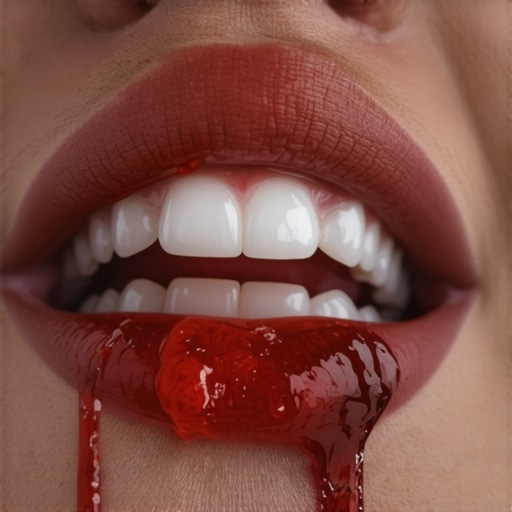
It was a chilly December evening when I finally had my lightbulb moment about my own oral health. I was brushing my teeth after dinner, as I always do, but suddenly, I noticed my gums bleeding—something that only happens during the colder months. At first, I brushed it off, thinking it was just some minor irritation. But as the winter months rolled on, the bleeding persisted, and I couldn’t ignore it anymore. That frustrating, mind-boggling pattern made me dive deep into research and personal experimentation. Now, I want to share what I discovered, because chances are, if you’ve been experiencing this, you’re not alone—and there’s a lot you can do about it.
The Hidden Reasons Your Gums Bleed When It’s Cold Outside
Gum bleeding during winter isn’t just a coincidence or something to brush off. The cold weather can be a silent trigger for gum issues, especially if you already have underlying sensitivities or conditions like gum disease. When the air is dry and chilly, your mouth tends to become drier too, reducing saliva that naturally cleans your teeth and gums. Less saliva means more plaque buildup, which irritates your gums and causes bleeding.
Additionally, cold air constricts blood vessels in your gums, making them more prone to cuts, cracks, or bleeding if they are already inflamed or weakened. Breathing through your mouth more often in the winter—especially if you’re battling a dry nose or congestion—can also dry out your gums and exacerbate the problem. And if you’re someone who uses dental appliances like braces or Invisalign, the dry, cold air might increase friction and irritation, leading to bleeding episodes.
Here’s a surprising fact: According to the National Institutes of Health, gum inflammation is significantly affected by environmental factors, including humidity and temperature. This means that seasonal changes can directly impact oral health, making winter particularly tricky for those with periodontal issues.
Early on, I made the mistake of thinking that brushing harder would help stop the bleeding. That was a rookie move. Overbrushing can actually damage fragile gums, making bleeding worse. Trust me, gentle care and understanding the real causes made all the difference.
Are you facing something similar? Do your gums bleed more when the temperature drops? If yes, keep reading—I’m going to walk you through practical steps to tackle this wintertime dilemma and keep your gums healthy year-round.
Switch to Gentle, Effective Brushing Techniques
Use a Soft-Bristled Toothbrush and Gentle Motions
During winter, your gums are more fragile. I once noticed my gums bleeding after a vigorous brushing session, which almost made me think I was doing something wrong. I switched to a soft-bristled brush and adopted a gentle, circular motion—imagine massaging delicate silk—that cleaned effectively without causing trauma. This micro-adjustment drastically reduced bleeding episodes.
Limit Brushing to Twice a Day
Overbrushing can exacerbate sensitivity. Instead of brushing tirelessly, stick to morning and night routines, emphasizing gentle strokes. About a week into this change, I observed less gum irritation, proving that patience and moderation pay off.
Optimize Your Toothpaste and Oral Hygiene Products
Select Anti-Gingivitis or Sensitive Formulas
Switching to toothpaste designed for sensitive gums can soothe irritation. Look for ingredients like aloe vera or chamomile. I experimented with different brands—initially messy, as I over-applied—but found a brand that calmed my gums and reduced bleeding, balancing effectiveness with soothing properties.
Incorporate Flossing Carefully
Flossing is essential but must be gentle. Use a light touch, akin to threading a fine needle, especially when gums are inflamed. I once tried to floss too aggressively after realizing my gums bled; gentle flossing, even if slower, prevented further irritation and promoted healing.
Manage Mouth Dryness and Environmental Factors
Keep Your Mouth Moist and Hydrated
Dry mouth worsens winter gum issues. I kept a glass of water nearby and used a humidifier in my room. This kept saliva flowing, which is the mouth’s natural cleanser. As a personal tip, sipping water regularly during the day minimized dryness-related bleeding episodes.
Use Saliva Substitutes if Necessary
If dryness persists, saliva substitutes or oral gels can mimic natural saliva. I applied a gel before bed and noticed my gums became less sensitive and more resilient over weeks.
Adjust Your Breathing and Daily Habits
Breathe Through Your Nose, Not Mouth
Mouth breathing dries out gums. I consciously worked on nasal breathing, even during cold outdoor walks, which kept my mouth moist and reduced gum irritation. Wearing a scarf or mask during chilly days also helped retain warmth and humidity.
Stay Consistent with Routine and Visits
Regular dental check-ups ensure any underlying issues—like early gum disease—are addressed promptly. I scheduled visits every six months, complementing my at-home care. This proactive approach made a significant difference in preventing bleeding episodes.
Implementing these steps turned my winter dental struggles into manageable routines. Remember, gentle care tailored to seasonal sensitivities can make a dramatic difference. For personalized advice or advanced treatments, consider consulting your family dentist—appointments can be scheduled easily through their contact page.
Many individuals underestimate the nuances behind common dental treatments, believing they understand everything from a superficial level. For instance, the widespread misconception that crowns are just cosmetic fixes rather than essential restorative solutions overlooks their true function—restoring strength and functionality to damaged teeth, as explained in this detailed guide. Similarly, there’s a myth that family dentistry is solely about routine cleaning; in reality, it encompasses preventive care, early intervention, and personalized treatment plans tailored for every family member, as discussed in the latest trends. When it comes to Invisalign, many believe it’s only suitable for minor crowding, but advanced cases can benefit as well—key nuances clarified in this article.
A common oops mistake is assuming that switching to natural or herbal oral health products automatically guarantees better results. However, some alternatives lack the proven efficacy of mainstream formulations, and using the wrong products can exacerbate issues, like enamel erosion or gum sensitivity. It’s essential to scrutinize ingredients and efficacy, perhaps consulting trusted sources or your dentist. According to a study in PubMed, selecting evidence-based oral health products significantly influences long-term outcomes.
For a sophisticated question: Are there situations where conventional treatments like crowns or braces might not be the best option, and alternative approaches could provide better results? Absolutely. For instance, in cases involving complex anatomical issues, a multidisciplinary approach including orthodontics, periodontics, or even surgical interventions could be optimal—discussions around such scenarios are available in this resource.
The takeaway? Always dig beneath the surface. Effective oral health isn’t just about easy fixes; it’s about understanding the intricacies and avoiding common pitfalls. Have you ever fallen into this trap? Let me know in the comments. For personalized guidance, don’t hesitate to reach out to a family dentist today.Maintaining a healthy smile over the long term demands more than just regular brushing and flossing; it requires the right tools and techniques that ensure consistency and effectiveness. One essential device I personally recommend is the Sonicare DiamondClean Smart toothbrush. Its superior cleaning action, combined with smart technology, tracks your brushing habits to ensure you’re covering every zone, reducing the risk of plaque buildup especially around crowns and Invisalign attachments. Additionally, I rely heavily on a water flosser like the Waterpik Aquarius. It’s particularly effective for those with braces, crowns, or bridges, as it reaches spots that traditional floss might miss, promoting gum health and preventing bleeding episodes over time.
For digital health management, I utilize periodontal tracking apps like Dental Monitoring. This software allows my dentist to monitor my oral health remotely, flagging early signs of gum inflammation or recession before they escalate. It creates a proactive approach, which is crucial for maintaining complex restorations or orthodontic treatments like Invisalign. Such integration of technology aligns with the trend toward personalized, predictive dental care, and I believe this approach will become standard in the coming years.
When it comes to long-term results, consistency is key. I set reminders for routine check-ins with my dentist and maintain a digital log of any issues, such as sensitivity or discomfort, to discuss during visits. This habit not only keeps me accountable but also helps my dentist craft tailored treatment plans, especially if adjustments are needed for crowns or aligners. Investing in professional-grade tools and embracing technology enhances outcomes, making dental maintenance less about reaction and more about prevention.
Looking ahead, I predict experience-based tools like AI-driven diagnostics and at-home saliva testing kits will be more prevalent. These innovations could detect early signs of decay or periodontal disease, even before symptoms emerge, allowing for preemptive action. Embracing such advanced tools now can provide a significant advantage in maintaining oral health as treatments become more personalized.
**How do I keep my dental tools working smoothly over time?** Routine maintenance is critical. For example, regularly replacing brush heads on toothbrushes and descaling water flossers extend their lifespan and ensure optimal performance. Following manufacturer instructions for cleaning and storing these devices prevents bacterial buildup and mechanical failure. I also recommend checking software updates for digital apps, similar to updating regular software on your phone, to benefit from the latest features and security patches.
For those wondering about scaling treatments or long-term management of crowns and Invisalign, proper tool care complements your professional treatments. For example, a clean, well-maintained toothbrush and water flosser ensure you’re supporting your dentist’s work, rather than undoing it. Curious if your current tools are up to the task? Consider scheduling a check-up with your family dentist via their contact page and discuss upgrading your maintenance routine.
Remember, the right tools are an investment in your smile’s future. Don’t hesitate to try out advanced devices like the Sonicare DiamondClean or Waterpik Aquarius — your gums and restorations will thank you. Regularly inspecting and maintaining these tools isn’t just about hygiene; it’s a proactive step toward preserving your smile’s integrity, no matter how complex your dental work might be.
The Hardest Lesson I Learned About crowns,family dentistry,invisalign,oral health
One of the most eye-opening moments in my dental journey was realizing that consistent, gentle care is far more effective than aggressive cleaning or shortcuts. I once believed that brushing harder would banish gum bleeding but learned that patience and subtlety are key to periodontal health, especially during the sensitive winter months.
3 Myths About crowns,family dentistry,invisalign,oral health That Held Me Back
Believing that crowns are purely cosmetic or that Invisalign isn’t suitable for complex cases slowed my progress. Discovering that modern dentistry is as much about restoring function as aesthetics, and that personalized treatment plans can address even challenging cases, transformed my approach and results.
What Experts Won’t Tell You About crowns,family dentistry,invisalign,oral health
Many assume routine visits are enough, but proactive, technology-driven monitoring—like at-home saliva tests—can catch issues early. The hidden truth is that integrating advanced tools with regular care dramatically improves long-term outcomes, saving you time, money, and discomfort down the line.
Curated Resources for Smarter Dental Choices
- Family Dental Guides: The comprehensive Ultimate Guide to Crowns provides deep insights into restorative options and helps you choose treatments tailored for durability and beauty.
- Invisalign Expertise: For clear aligners, this resource explains how Invisalign is evolving to handle complex cases, so you can make informed decisions about your orthodontic journey.
- Oral Hygiene Innovation: My favorite is the Bio-Growth Dental Checkup, which combines technology and personalized assessments to keep your family’s smile in top shape.
Seize Your Smile: Takes That Make a Difference
The future of oral health is all about proactive management and embracing new tools. Whether it’s maintaining your crown, perfecting Invisalign, or ensuring overall family health, you hold the power. Dare to prioritize what truly works, learn from experts, and keep your smile resilient against seasonal challenges. By integrating strategies and resources wisely, you’ll experience a transformation that lasts. Have you tried any advanced dental tools or routines that made a real difference? Share your experiences below and take the first step toward a healthier, happier smile today!