
Why your jaw clicks more when you’re stressed
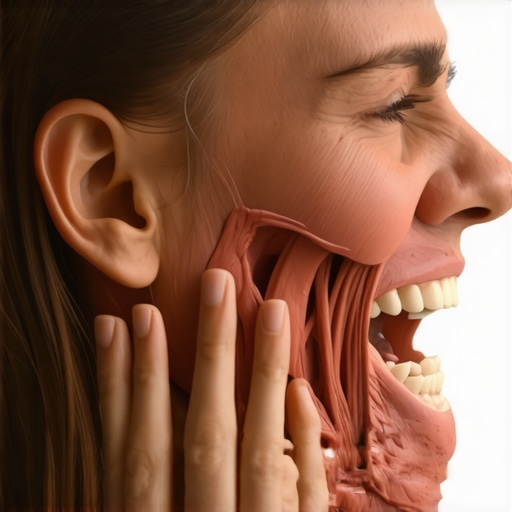
Have you ever been at work, under pressure, trying to hold it together, and suddenly felt that unmistakable click in your jaw? Maybe you brushed it off, thinking it was just a temporary weirdness, but then it kept happening—more often, more pronounced. That was me not so long ago, sitting in a meeting, when I realized my jaw was acting up again. That tiny click became a nagging reminder that stress doesn’t just affect your mind; it can subtly, persistently impact your body, especially your jaw joint.
Why Does Stress Make My Jaw Click More?
From personal experience, I learned that during stressful periods, I unconsciously clench my teeth or grind them — a habit known as bruxism. This habit puts extra pressure on your temporomandibular joint (TMJ), which connects your jaw to your skull. Over time, this added stress can lead to increased clicking, popping, or even pain. Interestingly, recent studies reveal that stress can heighten muscle tension around the jaw, amplifying existing TMJ issues or even triggering new ones. If you’ve noticed your jaw clicking more when you’re anxious or overwhelmed, you’re not imagining things. It’s your body’s way of signaling that you’re pushing too hard, and you need to pay attention.
But here’s the thing — addressing this isn’t just about comfort; ignoring it can lead to more serious problems, like chronic jaw pain, headaches, or even damage to the joint itself. Making a connection between your mental state and jaw health is crucial, and trusting that link became a game-changer for me. So, what can you do about it?
Curious if managing stress can reduce jaw clicking?
Early on, I made the mistake of ignoring my jaw issues, simply thinking they’d go away on their own. That was a mistake. With guidance from my dentist, I learned that managing stress—through mindfulness, proper dental care, and strategies like relaxation exercises—can significantly reduce the frequency and severity of jaw clicking. According to the American Dental Association, stress-related bruxism is a common cause of temporomandibular joint issues, and addressing stress can make a notable difference (source). By understanding this, I was able to take practical steps that not only eased my symptoms but improved my overall well-being.
This post will guide you through effective ways to recognize whether stress is affecting your jaw and practical steps you can take today to find relief. Because your health matters — and sometimes, a little awareness can make all the difference.
,
Identify and Monitor Your Stress Triggers
Begin by keeping a daily journal to recognize when your jaw clicking worsens. For example, I started noting my stress levels during work meetings and realized that tense moments correlate with increased jaw tension. This awareness helps you anticipate and prepare for stressful situations, reducing unconscious clenching. Consider setting reminders to pause and check in with your body, which can make a noticeable difference over time.
Practice Relaxation Techniques Regularly
Implement Mindfulness and Deep Breathing
Incorporate mindfulness exercises like focused breathing to calm muscles. I dedicated five minutes each morning to slow, deep breaths, which lowered my overall muscle tension. Use diaphragmatic breathing—inhale through your nose for four seconds, hold briefly, then exhale slowly through your mouth. These small routines can drastically decrease involuntary jaw clenching during stressful moments.
Engage in Progressive Muscle Relaxation
This involves tensing and relaxing muscle groups systematically. I started with my jaw muscles, clenching gently for a few seconds then releasing fully. After a week, I noticed less frequent clicking even during high-anxiety activities. Consistent practice helps retrain your body to stay relaxed, preventing tension from building up unnoticed.
Adjust Daily Habits to Prevent Clenching
Be Mindful of Jaw Positioning
Pay attention to your jaw alignment throughout the day. Use reminders or sticky notes to check whether your teeth are touching or if your jaw is tense. During a stressful period, I caught myself with teeth clenched while on a phone call; consciously relaxing my jaw gave immediate relief. Maintaining an open, neutral jaw position reduces habitual clenching that exacerbates clicking.
Limit Stimulants and Chewing
Reduce intake of caffeine and avoid chewing gum excessively. I cut back on coffee and gum, which decreased muscle fatigue. If you find yourself defaulting to gum during stressful situations, replace it with stress balls or fidget tools—these redirect tension away from your jaw. Small changes in habits prevent added strain on the TMJ.
Seek Professional Guidance if Necessary
If these steps don’t alleviate your symptoms, consult a dentist experienced in TMJ issues. They might suggest personalized strategies like wearing a night guard or exploring further treatments. Remember, early intervention can prevent chronic pain or joint damage. For those considering restorative options, understanding procedures like dental crowns can also improve bite alignment and reduce stress-induced jaw issues—learn more about this at this link. Regular checkups ensure your jaw health remains a priority as you implement these behavioral techniques.Many individuals assume that all dental treatments and advice are straightforward, but in reality, there are common misconceptions that can hinder proper oral health management. For example, the belief that Invisalign is just a cosmetic solution, when in fact, it offers functional benefits that influence long-term dental health (source). Many think that traditional braces are outdated, but for complex cases, fixed appliances might still be the most effective option. Moreover, some believe that crowns are only for aesthetics, whereas their primary role is restoring function and preventing further decay, especially with advances in restorative dentistry (source).
However, a prevalent mistake is neglecting the importance of choosing the right specialist. Not all family dentists have expertise in every treatment modality. For instance, placing a crown that fits well and functions perfectly requires precision and experience, which is why consulting a crown expert can make a significant difference (source). Ignoring this nuance can lead to discomfort, breakage, or even failure of the restoration.
**Why do so many get caught in these misconceptions?** Often, it’s due to outdated information or marketing that oversimplifies complex procedures. The myth that Invisalign is only for teenagers, for example, overlooks adults who can benefit just as much, if not more, from this discreet orthodontic option. This misconception might cause individuals to delay treatment, risking worsening misalignment that could have been easily addressed early on.
Another tricky aspect is the assumption that maintaining oral health is solely about regular brushing and flossing. While fundamental, emerging research shows that systemic factors like genetics, saliva composition, and even microbiome balance play crucial roles in oral health (
source). Overlooking these nuances can lead to insufficient care and preventable problems.
A common trap many fall into: believing that minor dental issues will resolve on their own. This can be compounded by underestimating the importance of professional checkups—neglecting early intervention often results in more invasive, costly treatments later. Recognizing these advanced nuances underscores the importance of tailored, expert-guided dental care.
So, next time you hear or read simplified advice about dental treatments, question it. Remember, true understanding involves appreciating these subtle yet significant details. Are you aware of the hidden factors influencing your dental health? If not, it’s time to consult a professional to uncover and address them. Want personalized guidance? Visit us at https://familydentistpro.com/contact-us and prioritize your smile’s health today.
Keep it Working: The Tools I Recommend
Maintaining optimal oral health requires more than just good brushing habits; it involves the right tools calibrated for your specific needs. As someone deeply invested in family dentistry and restorative procedures like crowns and Invisalign, I’ve found that selecting precise, quality equipment can make a significant difference in long-term results.
One of my favorite devices is the ultrasonic scaler. Unlike manual tools, it efficiently removes plaque and tartar without damaging enamel, especially around restorations. I personally use the Waterpik Sonic-Fusion during daily routines because it combines water flossing with brushing, providing a comprehensive clean that minimizes gum inflammation and prolongs the life of crowns and implants. Its high-frequency pulsations significantly reduce bacterial buildup in hard-to-reach areas, ensuring long-term health and avoiding costly repairs.
Another indispensable tool is a digital intraoral camera. This device allows for magnified, real-time viewing of hard-to-see areas, making it easier to identify early signs of issues like micro-cracks or decay around crowns before they escalate. I incorporate this technology during routine exams to educate patients and foster proactive care. Better awareness leads to precise interventions, maintaining restorations and orthodontic setups like Invisalign for an extended period.
For those in pursuit of perfection, a lighted dental mirror isn’t just for better visibility; it reduces eye strain during prolonged procedures. Pair it with a high-quality curing light for cleaning or minor restorations, and you’re equipped for precise application and repair. Advances like LED curing lights facilitate stronger, more durable bonds in composites and crowns, aligning with the latest research on restorative longevity.
Predicting future trends, digital impressions are set to revolutionize long-term dental care. With innovations in 3D scanning, we’ll soon be able to capture highly accurate models that can be stored digitally and replicated with exceptional precision. This leap forward diminishes the chance of fitting issues and extends the lifespan of restorations, including crowns and implants. I recommend staying updated with these technological advancements to ensure your family always benefits from the best care possible.
Ever Wonder How to Maintain Your Dental Tools Over Time?
Proper maintenance is crucial to keep your equipment effective and safe. Regularly disinfect ultrasonic scalers and intraoral cameras according to manufacturer instructions, usually with alcohol-based cleansers. Replacing any worn-out parts promptly prolongs the device’s usability and prevents cross-contamination. For example, using sterilizable and corrosion-resistant tools minimizes degradation, ensuring consistent performance. Considering investing in equipment with easily replaceable components can save costs and maintain high standards of hygiene and accuracy.
Trying out high-quality, reliable tools not only improves your daily dental routines but also safeguards your investment in long-term oral health. Incorporate these recommended devices into your regimen to maximize results, prevent future complications, and ensure your smile stays in excellent shape for years to come.
Lessons that Caught Me Off Guard
- Initially, I underestimated how crucial personalized care is—what worked for one patient didn’t suit another, especially in family dentistry. Recognizing this taught me that truly effective treatment requires understanding the individual’s unique habits and concerns.
- When I dismissed early signs of TMJ issues, I learned the hard way that ignoring subtle symptoms can turn minor discomforts into chronic problems. Early intervention, guided by experienced professionals, can save you from bigger troubles later.
- Adopting a proactive mindset about oral health—like regular checkups and proper tool maintenance—has shown me that prevention is far less costly and stressful than extensive restorative work, especially with crowns and implants.
- Understanding the science behind dental materials, such as how crowns bond and wear over time, revealed that investing in quality and skilled craftsmanship yields long-lasting smiles and peace of mind.
- Finally, I realized how powerful education is—sharing knowledge about myths and facts in dentistry empowers patients to make informed decisions, avoiding misconceptions that could delay or sabotage treatment success.
Tools That Transformed My Approach
My essential toolkit now includes a high-quality ultrasonic scaler, which ensures thorough cleaning around delicate restorations like crowns without damaging enamel. The digital intraoral camera helps me detect early tiny issues before they become painful or costly, highlighting the importance of precise diagnostics. I also rely on a powerful curing light for dependable, durable bonds in restorations, and a superior flossing tool that reaches the tightest spaces without fraying or breaking. These tools reaffirm that excellence in everyday routines leads to healthier, happier smiles.
Staying updated with innovations, like digital impressions, can keep your family’s restorations aligned with the latest standards. Regular maintenance and informed choices in tools keep your smile in top shape for years to come.
Embrace Your Dental Confidence Today
Armed with lessons learned, the right technology, and a proactive attitude, you are now better prepared to enhance your family’s oral health. Your journey through family dentistry and restorative procedures like crowns is uniquely yours—remember, every step you take toward awareness and action makes a substantial difference. Don’t wait for problems to escalate—start today by scheduling that checkup or trying new self-care tools. Your healthier, brighter smile is within reach. Are you ready to take the next step toward optimal dental wellness? Share your concerns or victories below, and let’s grow together in this journey toward confident smiles.
,