
The secret to making your dental implants last a lifetime
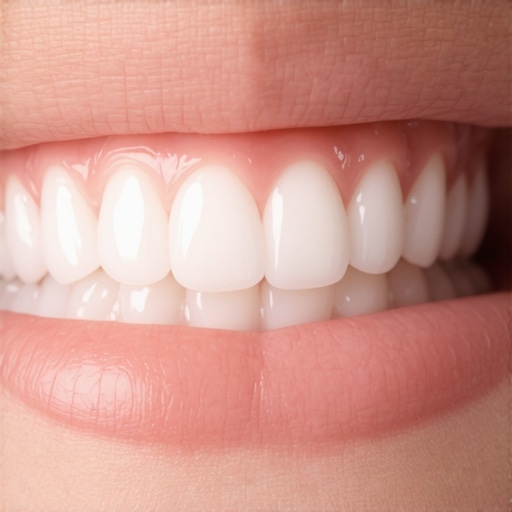
I still vividly remember the day I noticed my dental implant felt slightly loose. It was after a hearty meal, and I instinctively clenched my jaw, suspecting the worst. That uneasy feeling lingered, and I couldn’t help but wonder—how can I ensure my dental implant lasts a lifetime instead of becoming a recurring worry? After all, dental implants are a significant investment—emotionally and financially—and losing one would be devastating. That moment sparked a quest for answers, and I’ll share what I’ve uncovered along the way.
Why I Nearly Lost Faith in My Smile
Early on, I thought a good dentist was enough. I brushed and flossed, didn’t skip checkups. But I learned that maintaining an implant’s longevity is about more than just routine oral hygiene. I made a crucial mistake: I ignored the importance of regular, specialized care and overlooked signs that indicated my implant or surrounding tissue needed more attention. Trust me, I learned the hard way that neglecting these aspects can lead to costly, painful failures.
Are Dental Implants Really Worth the Hype?
One common skepticism I encountered was whether investing in dental implants truly pays off long-term. I was initially doubtful because I’d heard stories of implants failing prematurely. But the truth is, with proper care, your implant can serve you for decades—some studies suggest a success rate exceeding 95% over 10 years (source). My mistake early on? I thought brushing alone was enough. In reality, neglecting periodontal health and ignoring early warning signs can be detrimental.
Understanding the key factors that influence implant durability opened my eyes. From selecting the right dental professional to adopting personalized oral habits, each detail matters. The good news is, you don’t have to navigate this complex terrain alone. Over the next sections, I’ll walk you through practical steps to help make your dental implants last a lifetime, based on my experience and expert advice. If you’ve ever felt uncertain about how to care for your implants or have faced similar worries, you’re not alone—let’s get started on securing that perfect smile for years to come.
Master Your Daily Oral Routine
Start by brushing thoroughly twice a day using a soft-bristled toothbrush and fluoride toothpaste. I remember a morning I felt lazy and skipped my usual brushing—later, I noticed some irritation around my implant area. That experience taught me the importance of consistency. Floss daily with gentle, careful motions to remove plaque from around your implant, especially in hard-to-reach spots. Consider using interdental brushes or water flossers for better debris removal without damaging delicate tissues.
Incorporate Specialized Tools for Better Care
Using an antimicrobial mouthwash can reduce bacteria that threaten the implant’s stability, but avoid strong, alcohol-based formulas that can dry out tissues. I once tried an alcohol-free rinse recommended by my dentist; it made a noticeable difference in gum health. Regular checkups are vital—think of your dentist as a mechanic inspecting a car; they catch issues early before they cause costly damage. Schedule visits at least twice a year, or more if your dentist advises.
Adopt Smart Lifestyle Habits
Limit consumption of sugary foods and beverages—think of sugar as rust for your teeth. When I replaced candies with crunchy vegetables and nuts, my gums remained healthier, and my implant felt more secure. Avoid smoking and excessive alcohol; both can impair healing and increase complication risks. Keeping hydrated helps produce enough saliva to neutralize acids and wash away food particles, which is crucial after meals. I keep a water bottle handy, especially on busy days, to maintain this habit.
Be Mindful of Your Diet and Habits
Chewing ice or hard candies can crack or loosen your implant, so treat these with respect—think of your implant as a delicate glass sculpture. During a stressful period, I caught myself clenching my jaw—this added strain can loosen the implant over time. Using a nightguard, prescribed by your dentist, can help protect your implant from such daily stresses. Remember, every little adjustment in habits counts towards extending its lifespan.
Stay Vigilant for Early Signs
Regular self-inspections can catch issues early. Look out for swelling, unusual bleeding, or persistent discomfort—these are red flags. I made a habit of gently feeling my gums and noting any changes; early detection allowed my dentist to intervene before serious problems arose. If you notice any symptoms, contact your dental team promptly—don’t wait until the issue worsens. You can find expert guidance on signs of implant trouble at this resource.
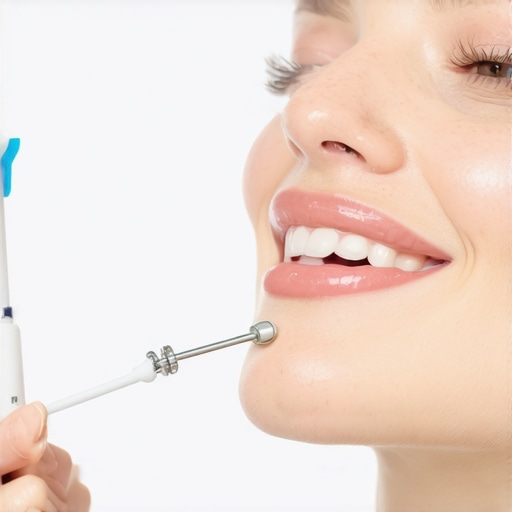
Many people assume that a straightforward routine—brushing twice daily, flossing, and visiting the dentist—is all it takes to maintain excellent oral health. However, these common beliefs often overlook nuanced factors and myths that can jeopardize long-term dental success. As an experienced advocate for comprehensive care, I want to shed light on some of these misconceptions and reveal the subtleties that can make or break your oral health journey.
Don’t Be Fooled by Simplistic Solutions
One widespread myth is that whitening toothpaste alone can keep your teeth Hollywood-white. In reality, these products only remove surface stains and don’t address underlying issues like enamel erosion or decay. Over-reliance on such products may mask problems, delaying essential treatments that safeguard your teeth’s health. True whitening requires professional procedures or targeted treatments, which your dentist can facilitate—learn more about ways to enhance your family’s oral health.
Beware of the ‘More is Better’ Trap
Some believe that brushing harder or more frequently improves oral hygiene. This is a dangerous misconception; excessive brushing can damage gums and enamel, leading to sensitivity and recession. Gentle, thorough brushing with a soft toothbrush is actually more effective and preserves your tissue integrity. Remember, quality beats quantity in dental care. For advanced insights, explore this guide on proper brushing techniques.
What Lies Beneath the Surface of Family Dentistry
Many think that regular checkups are only for cavity detection, but they are vital for identifying early signs of gum disease, bite issues, or even oral cancers. Missing these subtle cues can lead to complex, costly treatments later. For instance, early intervention in gum disease can prevent tooth loss and may even improve systemic health, as recent studies suggest a critical link between periodontal inflammation and cardiovascular disease (source). Prioritize routine visits and communicate any minor discomfort; your dentist’s keen eye can catch issues long before they become symptoms.
Advanced Perspective: Are Invasives Always Necessary?
Many assume that invasive procedures like crowns are the default solution for damaged teeth, but advancements in family dentistry have introduced minimally invasive options. For example, dental bonding or overlay restorations can sometimes restore function and aesthetics without removing significant tooth structure. Understanding when to opt for a crown versus alternative treatments is crucial; incorrect choices can lead to unnecessary removal of healthy tissue or future complications. To learn more about choosing the right restorative options, visit this expert advice on crowns. Always seek a professional assessment to tailor the best plan for your needs.
In summary, a deeper understanding of these nuanced aspects can help you avoid common pitfalls in oral health, ensuring your smile remains vibrant and healthy for years to come. Remember, active engagement and personalized care are key—don’t settle for generic advice. Have you ever fallen into this trap? Let me know in the comments!
Elevate Your Oral Care with Proven Equipment
Maintaining long-term oral health isn’t just about good habits; it also hinges on using the right tools. I personally swear by a **Soniclear Elite** toothbrush, which features signature sonic technology that delivers over 40,000 strokes per minute, effectively disrupting plaque and reaching areas manual brushes often miss. It’s particularly beneficial for implant maintenance, where precision is key. Incorporating an **AIRFLOSS** water flosser into my daily routine has been game-changing, especially for cleaning around crowns and under bridges, where traditional floss struggles. The pulsating water helps remove debris without damaging delicate tissues, a crucial factor for long-term implant success.
How do I maintain tools over time?
Regularly replace brush heads—preferably every three months—to prevent bacteria buildup and ensure optimal cleaning. Keep your water flosser free from mold by emptying its reservoir nightly and disinfecting monthly with a mixture of vinegar and water. Additionally, store electronic tools in a dry, cool place to extend their lifespan. As technology advances, newer devices like ultrasonic toothbrushes are emerging, which use high-frequency vibrations to break down plaque more effectively, and some models even integrate AI to adjust brushing pressure, reducing the risk of gum recession—see this guide for more insights.
Embrace Software to Track and Improve Your Routine
Using digital apps like **Brush Monster** or **Dental Monitoring** has allowed me to keep a close eye on my brushing and flossing habits. These tools analyze your technique, provide personalized tips, and send reminders for replacing tools or scheduling checkups. They serve as a personal coach that helps reinforce consistent, proper care—crucial for those with implants or crowns. I predict that in the next few years, AI-powered dental monitoring will become more integrated into family dentistry, making at-home maintenance even smarter and more personalized.
Why is tool maintenance vital for long-term results?
Worn-out or unclean tools decrease effectiveness and may introduce bacteria, leading to infections or implant failures. Properly maintained equipment ensures you maximize every minute of your routine, leading to healthier gums, longer-lasting restorations, and a brighter smile. To help you get started, try replacing your toothbrush head this week and setting reminders to clean your water flosser monthly. These small steps can dramatically improve your oral health, especially when used consistently alongside professional care. For more detailed strategies on equipment maintenance, explore this article.
What I Didn’t Expect About Long-Term Dental Success
- One of the most surprising lessons was realizing that even the best implant can fail if neglected. Small signs like minor sensitivity or slight discomfort shouldn’t be ignored—they’re often early warnings that need attention before more serious issues develop.
- I discovered that personalized habits matter more than generic advice. Tailoring your oral hygiene routine to your specific implant and tissue type, with insights from your dentist, can dramatically improve longevity.
- Consistent communication with your dental professional is a game-changer. Regular check-ins can catch subtle problems that, if left untreated, could compromise your entire smile.
My Go-To Resources for Dental Care Wisdom
- FamilyDentistPro Blog: This site offers the most up-to-date, research-backed tips on family dentistry and implant care, written by professionals I trust, simplifying complex topics into actionable steps.
- My Dental Toolkit: Devices like the Soniclear Elite toothbrush and Water Flosser have become my daily allies. I trust these because they combine innovative technology with proven effectiveness, making maintenance effortless.
- Expert Articles and Guides: Articles on topics like properly choosing crowns or avoiding common Invisalign pitfalls have helped me make informed decisions—especially this detailed guide.
Keep That Spark Alive: Your Smile Deserves It
The journey to lasting dental health is ongoing, but with personalized care, the right tools, and an attentive mindset, you can enjoy a confident, radiant smile for decades to come. Don’t wait for problems to become emergencies—take proactive steps today. What’s one habit you’re excited to improve on your path to a lifetime of healthy smiles? Share below and let’s grow together!