
The best time of day to schedule your child’s dental appointment
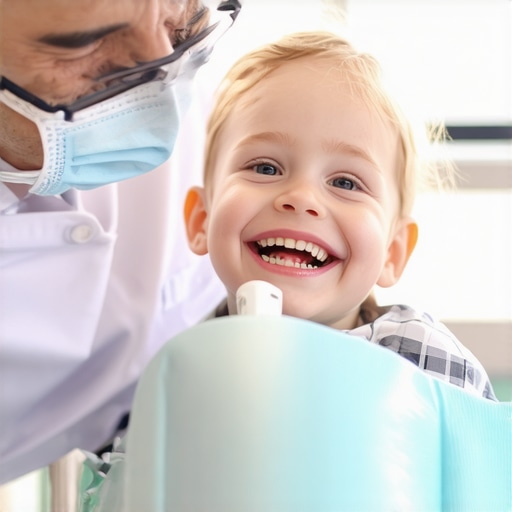
I remember the moment it hit me—my kid squirming uncontrollably during a dental appointment, tears welling up because it was just too much to handle. It was like trying to thread a needle while riding a roller coaster. That day, I realized that choosing the right time of day for dental visits isn’t just a small detail; it can make all the difference in how our children experience their dental care.
Finding That Sweet Spot: The Best Time of Day for Your Child’s Dental Checkup
Choosing the optimal time for your child’s dental appointment can seem like a minor scheduling detail, but it greatly influences their comfort and cooperation. Early mornings might seem convenient for busy parents, but many kids are still groggy and cranky. On the other hand, late afternoons might be when they’re tired or irritable after a day of activities. I’ve experimented with different times, and honestly, the hardest part was realizing my own assumptions—like thinking a morning appointment would be less stressful, only to find my son was still half-asleep and resistant. It took some trial and error, but I discovered that mid-morning, after breakfast and a little nap, tends to be when my kids are most alert and willing to cooperate. This way, their visit isn’t a battle of wills, and the dentist has a better chance to do their job effectively. A study from the American Academy of Pediatric Dentistry suggests that children are more cooperative when appointments are scheduled during their natural alert times.
Is Scheduling During Nap Time or After School Really Worth the Fuss?
One common mistake I made early on was aligning appointments with my own free time, rather than considering my child’s natural energy patterns. I’d schedule after school or late in the day because it seemed more manageable for me, but I quickly noticed increased resistance and anxiety. By aligning visits with times when my kids were rested and calm—like just after breakfast or mid-morning—I found that dental cleanings and exams became smoother, less intimidating experiences. So, if you’ve ever wondered whether timing really matters, my experience says a resounding yes. The ideal time varies by child, but observing their energy and mood patterns is key. For practical tips on making dental visits easier, you might want to explore our guide on [making dental visits less daunting](https://familydentistpro.com/top-oral-health-tips-for-your-familys-bright-smiles). Now that we’ve identified the importance of timing, let’s dive into some tried-and-true strategies to pick that perfect window and set your child up for success at their next appointment.
Set the Stage with a Calm Routine
Before the appointment, establish a calm and predictable routine to ease your child’s nerves. A warm bath, favorite toy, or story can help create a positive association. For instance, I once prepared my son by reading him a comic about a brave superhero who visits the dentist, which boosted his confidence. Consistency helps children feel secure and minimizes surprises during the visit.
Practice at Home with a Dental Playset
Use a dental playset to familiarize your child with what happens during a checkup. Let them pretend to be the dentist or patient, describing the process in a fun way. I bought a small toy set and role-played with my daughter, which made her more curious than fearful about her upcoming appointment. This hands-on approach demystifies dental tools and procedures.
Role-Play to Address Fears and Questions
Engage your child in role-play conversations about their fears. Ask questions like, ”What makes you nervous?” and respond with simple explanations. For example, I told my son, Many assume that family dentistry is just about routine cleanings and basic fillings, but the truth is there’s a depth of nuance that often goes unnoticed.
Why Do So Many Misunderstand the True Role of Crowns and Invisalign?
For starters, numerous patients believe crowns are only for cosmetic fixes, but in reality, they serve as vital restorative tools that protect compromised teeth and enhance longevity. Similarly, Invisalign is frequently dismissed as a treatment only for adults or minor alignment issues; however, recent advancements have made it a versatile option suitable for various age groups and complex cases. A study published in the Journal of Dental Research emphasizes that misconceptions about orthodontic solutions like Invisalign can lead to delayed treatment and worse outcomes.
What Are the Common Pitfalls Practitioners and Patients Need to Watch Out For?
One widespread error is underestimating the importance of proper tooth preparation before crown placement, which can result in discomfort, poor fit, and even crown failure. For example, neglecting to consider the biological width—a microscopic zone critical for periodontal health—can cause gum recession or bone loss around the new crown. In the realm of Invisalign, a frequent oversight is poor compliance, which diminishes effectiveness and prolongs treatment duration. It’s essential to understand that both crowns and Invisalign demand meticulous planning and patient commitment to achieve optimal results. Additionally, some believe that these treatments are interchangeable or that one can replace traditional methods entirely. However, each has specific indications, advantages, and limitations that must be carefully evaluated. To make informed decisions, consult with an experienced family dentist who can guide you through these advanced options, ensuring longevity and health. For example, choosing the right crown involves assessing the material and technique—like opting for porcelain fused to metal or all-ceramic—to suit your functional and aesthetic needs. You can explore expert advice on selecting durable crowns to understand how proper selection impacts your smile. Similarly, a comprehensive evaluation of your orthodontic needs can reveal whether Invisalign or traditional braces align better with your lifestyle, which you can review in Invisalign versus braces comparison. Don’t let myths or oversimplified beliefs steer your dental health decisions. Dive deeper into the nuances, ask questions, and ensure your choices are backed by expert insights. Have you ever fallen into this trap? Let me know in the comments.
Investing in the Right Equipment for Longevity
Maintaining oral health and the integrity of dental restorations like crowns and implants requires more than just regular visits—it demands the right tools. Personally, I rely on a combination of high-quality ultrasonic toothbrushes, dental water flossers, and professional-grade whitening pens to ensure my family’s smiles stay healthy and bright. For instance, I recommend using an ultrasonic toothbrush such as the Philips Sonicare DiamondClean, which effectively cleans around crowns and braces by reaching areas traditional brushes might miss, reducing plaque buildup that could compromise restorations. Additionally, a water flosser like the Waterpik Aquarius helps clean hard-to-reach spots without damaging delicate gum tissue, essential for long-term gum health around crowns and implants.
Prioritizing Consistent Maintenance Routines
Consistency is key when it comes to preserving the results of dental work. I suggest setting specific times for brushing and flossing, especially if you have crowns or orthodontic devices like Invisalign. Incorporating tools such as interdental brushes designed for implant surrounds can dislodge debris effectively without scratching restorations. Regular checks using a mirror and the 2-minute test can help you spot early signs of wear or issues, so you can address them promptly and avoid costly repairs down the line. Expert advice from the American Dental Association emphasizes that routine maintenance with the right instruments extends the lifespan of restorations and prevents secondary decay.
Leveraging Digital Solutions for Better Outcomes
Digital tracking and teledentistry platforms now make it easier to monitor your family’s oral health between visits. I personally use software that logs daily brushing habits, records photos of dental appliances, and sets reminders for replacements or checkups. For example, Invisalign’s treatment planning software not only guides the orthodontist but also allows patients to visualize progress and schedule maintenance accordingly—reducing surprises and enhancing long-term results. As technology advances, integrating these tools will become standard, streamlining maintenance and scaling efforts for families seeking durable, healthy smiles.
Planning for Future Growth and Scaling
As your family grows or your dental needs evolve, so should your maintenance toolkit. Investing in modular equipment, like upgradeable whitening systems or additional cleaning devices, ensures you can adapt without overhauling your entire routine. Proper storage and organization of supplies also play a role in preventing cross-contamination. For those considering orthodontic expansions or new restorations, consulting with your dentist about tailored maintenance plans is crucial. I recommend regularly reviewing your strategy during routine checkups, which can help adapt tools and methods to your family’s changing needs. For comprehensive guidance, our contact page offers expert advice tailored specifically to your situation.
How do I maintain my dental restorations over time?
Maintaining your dental work involves a combination of diligent daily routines, using specialized tools, and scheduling regular professional assessments. For example, replacing your toothbrush every three months and inspecting your appliances regularly can prevent plaque build-up and hardware failure. Incorporating advanced tools like electric flosser attachments and whitening pens can enhance care and prolong the lifespan of crowns or Invisalign trays. Keep abreast of evolving technologies; for instance, recent innovations in remineralization gels can protect enamel around restorations, as detailed in the Journal of Dental Research. Don’t hesitate to try one of these tips—like upgrading to a sonic toothbrush—to see immediate benefits for your family’s oral health and the durability of your dental investments.
The Hardest Lesson I Learned About family dentistry,oral health,crowns,invisalign
One of my biggest realizations is that trusting your instincts when scheduling dental visits can make or break a child’s experience. I once overlooked my daughter’s natural energy peaks, realizing too late that a mid-morning appointment after a nap made all the difference. It taught me that paying close attention to your child’s cues leads to smoother, less stressful visits. Additionally, understanding that misconceptions about crowns and Invisalign can delay treatment was a game-changer—learning to ask the right questions with my dentist helped me avoid costly mistakes. I also discovered that investing in quality oral health tools isn’t vanity but a crucial step toward long-term success in maintaining restorations like crowns. Lastly, locking in consistency with routines and embracing new tech solutions has tremendously improved my family’s dental outcomes. Trust me, these lessons come from personal growing pains and are worth sharing for better family smiles.