
The safest way to whiten sensitive teeth at home
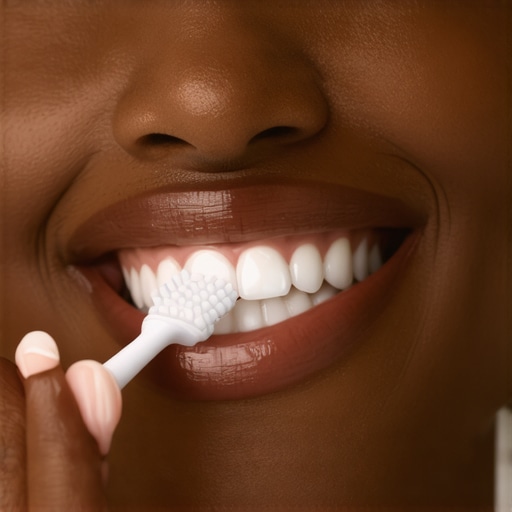
It was a typical Tuesday morning when I grabbed my mirror and noticed something that made me stop in my tracks—my teeth looked dull, and a newfound sensitivity made iced coffee feel like a small attack. I had tried every whitening trick in the book, from trendy social media kits to store-bought strips, but the discomfort only worsened. That lightbulb moment hit me—there had to be a safer way to brighten my smile without suffering.
Why Sensitive Teeth Need a Gentle Approach to Whitening
Many of us dream of having a sparkling, white smile, but if you’re like me, the idea of harsh chemicals and abrasive products sends a shiver down your spine. Sensitive teeth are a signal—your enamel may be worn down, or your gums might be slightly receded, exposing the nerves underneath. Going full throttle with over-the-counter whitening products can result in more harm than good, causing increased pain, irritation, and even damage to the enamel.
Understanding how to lighten your teeth safely at home isn’t just about aesthetics; it’s about protecting your oral health as a priority. According to the American Dental Association, aggressive whitening treatments can weaken enamel and lead to long-term sensitivity issues. But don’t worry—there are options that balance effectiveness and safety, which I’ve personally tested and refined over the years.
Have you ever experienced stinging sensations after whitening, or avoided trying because of fear of worsening sensitivity? You’re not alone. Many folks hesitate to pursue a brighter smile due to these concerns, but with the right approach, you can achieve visible results without pain.
In the next sections, I’ll share my step-by-step journey—what worked, what didn’t, and how you can apply these safe techniques at home. From choosing the right products to techniques that won’t aggravate your teeth, I’ve got you covered. Ready to discover a gentle, effective way to whiten your sensitive teeth? Let’s dive in and restore that confident smile.
Choose Gentle Whitening Products Wisely
Start by selecting toothpaste and whitening kits specifically formulated for sensitive teeth. Look for products bearing the ADA Seal of Acceptance, which ensures they have been tested for safety and effectiveness. I remember trying a popular brand without checking its label, only to experience heightened sensitivity the next day. Switching to a toothpaste with potassium nitrate helped soothe my nerves and gradually whitened my smile. Always consult your dentist if you’re unsure which products suit your oral health.
Brush with Care to Minimize Irritation
Effective brushing avoids aggressive scrubbing. Use a soft-bristled toothbrush and gentle strokes—think of cleaning a delicate surface rather than scrubbing a stubborn stain. One morning, I accidentally pressed too hard while rushing, which caused gum irritation. After switching to a gentle technique, my enamel remained protected, and my sensitivity lessened. Proper brushing helps keep enamel intact and reduces the risk of aggravating sensitivity during whitening routines.
Apply Warming Saline or Desensitizing Gel
Before applying any whitening product, use a desensitizing gel or rinse with warm saline water. This pre-treatment creates a barrier that calms exposed nerves. I discovered this trick during a home whitening attempt, and it significantly diminished discomfort. Applying a small amount of gel 15 minutes prior can prepare your teeth, allowing the whitening agent to do its work without burning or stinging.
Limit Exposure Time and Frequency
Don’t overdo it. Follow the product instructions strictly, especially when using trays or strips. I once tried to speed up results by increasing application time, but my teeth paid the price in sensitivity. Instead, I scheduled treatments every few days, giving my enamel time to recover. Patience ensures gradual whitening without compromising your comfort or enamel integrity.
Use Customized Trays for Better Fit
If choosing tray-based whitening, consider getting custom-fitted trays from your dentist. These ensure your whitening gel is evenly distributed and snug, reducing exposure to sensitive areas. I tried over-the-counter trays, which often shifted and caused uneven whitening. My dentist crafted a custom set, which made the treatment more comfortable and effective, especially for sensitive teeth.
Stay Consistent with Good Oral Hygiene
Proper flossing and regular cleanings remove plaque that can stain teeth. Use gentle flossing techniques to avoid irritating gums—think of flossing as delicately threading a needle rather than pulling a stubborn thread. Regular visits to your dentist can help monitor sensitivity and adjust your routine as needed. For insights on maintaining healthy gums and preventing sensitivity, check out this guide.
Cook and Drink Smartly During Whitening
Avoid acidic or staining foods and beverages—like coffee, red wine, or citrus fruits—especially right after whitening sessions. Drinking through a straw can also minimize contact with teeth. I learned this the hard way after a coffee spill caused instant staining, undoing some whitening progress. Changing my habits to include straw use and rinsing afterward kept my smile brighter longer. For more tips on protective habits, see this comprehensive article.
Many people believe that all dental treatments are straightforward solutions, but in reality, some widely accepted practices may be based on myths or oversimplified notions. For example, a common misconception surrounds Invisalign aligners, where many assume that they are suitable for every case. However, complex malocclusions often require traditional braces or even crowns for optimal results. Rushing into clear aligner therapy without proper assessment can lead to prolonged treatment or relapse, highlighting the need for thorough evaluation by a specialist. When considering crowns, some think of them solely as cosmetic fixes rather than long-term restorations; choosing the wrong type or material can result in early failure or sensitivity. Understanding the nuances, such as how different crown materials influence durability and aesthetics, is crucial. Interestingly, many believe that dental crowns are ‘permanent,’ but they typically require replacement after 10-15 years due to wear or restoration failure, as detailed in this resource. The real mistake is neglecting personalized treatment planning; blindly following trends or myths may compromise your oral health.
Are there cases where advanced technology might not be the best choice for your dental needs?
In fact, overly relying on new tech like digital impressions or laser whitening without understanding their limitations can backfire. For example, laser whitening is quick and effective, but overuse or improper application can cause sensitivity or uneven results, as explained in this guide. So, it’s essential to weigh the benefits against potential risks and consult an experienced dentist. Remember, a well-informed patient empowers better decisions—don’t just accept popular opinions at face value. Have you ever fallen into this trap? Let me know in the comments, and stay proactive about your dental health.Maintaining your dental health over the long haul requires not just good habits but also the right tools and strategies to ensure your restorations, like crowns and Invisalign aligners, stay in top shape. Personally, I’ve found that investing in quality equipment and staying updated with modern methods can make all the difference in preserving your smile and preventing costly repairs down the line. For instance, using ultrasonic toothbrushes with specialized tips can effectively remove plaque from hard-to-reach areas, protecting crowns and preventing gum disease. I prefer models that offer multiple cleaning modes and have a built-in timer—these features ensure I clean thoroughly without overdoing it, which can wear down restorations prematurely. Additionally, I’ve incorporated dental cleaning technologies like the AirFloss to complement daily brushing and flossing, making sure debris doesn’t accumulate around crowns and bridges. Regular use of dental irrigators with adjustable pressure settings helps me maintain healthy gums and keep my restorations free of bacterial buildup, extending their lifespan. When it comes to managing Invisalign trays, I rely on specially designed cleaning crystals that prevent cloudiness and odor, ensuring my aligners stay discreet and hygienic. Understanding and utilizing these tools has allowed me to avoid frequent dental visits for repairs or replacements, saving both time and money. Looking ahead, the trend in dental maintenance seems to be leaning toward smarter, app-connected devices that offer real-time feedback and reminders—making it easier than ever to stay on top of oral hygiene.
How do I maintain my dental restorations and appliances over time?
Adopting a comprehensive routine that includes using high-quality toothbrushes, water flossers, and properly cleaning your aligners or crowns can significantly boost their longevity. It’s also crucial to schedule regular check-ups with your dentist, who can recommend specific tools or techniques tailored to your needs. For example, I doubled down on using interdental brushes with fine tips to clean around crowns and gums more effectively—something I learned from my dental specialist during my last visit. Try incorporating an ultrasonic toothbrush into your daily routine; it’s a game-changer for maintaining the integrity of your dental work and reducing the risk of decay or gum problems. Remember, the investment in good tools not only preserves your current smile but also supports long-term oral health, saving you from unnecessary complications down the road. Want personalized advice? Contact your dental professional to explore cutting-edge maintenance tools tailored for your specific restorations and lifestyle. For more insights on how to optimize your oral care, visit this helpful guide.
Lasting Lessons from My Dental Journey
One of the most surprising insights I discovered is that patience truly pays off when whitening sensitive teeth. Rushing the process by overusing products can backfire, leading to increased discomfort and damage. I realized that consistent, gentle steps produce better and longer-lasting results without sacrificing my oral health.
Another lesson is the importance of personalized care. Not all whitening methods suit everyone—what worked for me might not be ideal for someone else. Consulting with a trusted dentist helped me find tailored solutions that preserved my enamel and reduced sensitivity.
Lastly, I learned that integrating good daily habits—like using desensitizing toothpaste and avoiding staining foods—enhances whitening results and maintains a healthy smile. These small, mindful adjustments made a significant difference in my journey toward brighter, healthier teeth.
My Must-Have Tools for Sensitive Teeth
To keep my smile bright and healthy, I rely on products I trust. The ADA-approved sensitivity toothpaste I use daily is a cornerstone, offering gentle cleaning while soothing nerves. I also swear by custom-fitted whitening trays recommended by my dentist—this ensures even application and minimizes contact with sensitive areas.
For extra protection, I incorporate ultrasonic toothbrushes with soft bristles, which effectively clean without causing wear or irritation. And during whitening treatments, I use specially formulated desensitizing gels to prevent discomfort. These tools and products have truly transformed my approach to safe whitening.
Moving Forward with Confidence
If you’re considering whitening your sensitive teeth, remember that you don’t have to suffer or compromise your oral health. Embrace gentle, personalized strategies and consult experts when needed. Maintaining good habits, choosing the right tools, and being patient can help you achieve a radiant smile without pain. Your future self will thank you for making smart, health-first choices in your dental care.
Have you ever struggled to find effective ways to whiten sensitive teeth? Share your experiences below and let’s support each other on the journey to brighter, healthier smiles!
filigran