
The best foods to naturally whiten your teeth
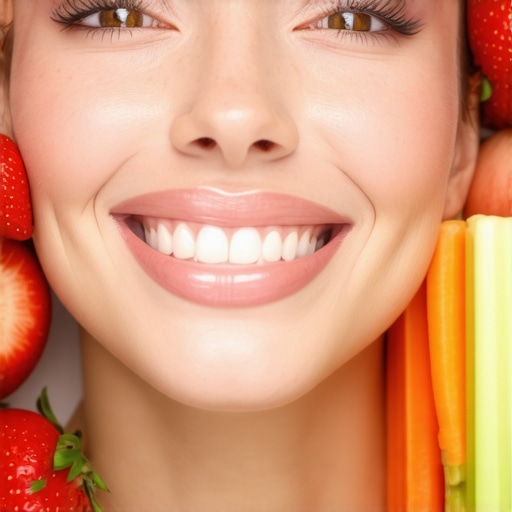
It was a frustrating morning when I caught my reflection in the mirror and realized my teeth looked duller and more yellow than I remembered. Despite diligent brushing, occasional whitening treatments, and even trying countless whitening toothpaste brands, my smile just wasn’t as bright as I wanted it to be. That lightbulb moment made me wonder—are there natural, everyday foods that can help whiten teeth without harsh chemicals or expensive procedures?
Why Our Diet Holds the Key to a Brighter Smile
Many of us focus on brushing, flossing, and professional cleanings when it comes to oral health, but what we eat can significantly influence the whiteness of our teeth. I’ve found that incorporating certain foods into my diet not only improved my oral health but also restored a natural brightness to my smile. It’s a game-changer! The best foods to naturally whiten your teeth are often simple, wholesome options that also support overall health.
Remember, not all foods are created equal. Some can stain teeth or promote plaque buildup, while others act like gentle abrasives or antioxidants, aiding in stain removal and enamel strengthening. Trust me, I’ve been there—making early mistakes like relying solely on whitening strips without considering diet, which only provided temporary results. A better approach? Combine consistent oral hygiene with foods that help you naturally fight stains.
Did you know that certain fruits and vegetables can scrub away surface stains and boost saliva production, which naturally cleans your mouth? According to a 2022 study from the Journal of Clinical Dentistry, diets rich in crunchy produce like apples and celery are associated with healthier, whiter teeth because they increase saliva flow and act as natural cleansers.
If you’re tired of feeling self-conscious about your dull or stained teeth and want a more natural, cost-effective solution, stay tuned. In the following sections, I’ll share my personal favorites and practical tips to incorporate these foods into your daily routine. Trust me, your smile will thank you. And if you’ve ever wondered whether natural foods can genuinely brighten teeth—yes, they absolutely can! So, let’s explore how you can start today.
Is relying on foods enough for a noticeable difference?
Many skeptics doubt that diet alone can truly whiten teeth, fearing it’s just wishful thinking or marketing hype. Having made the mistake early on of neglecting the basics and solely depending on quick fixes, I understand the hesitation. But I’ve seen real results by combining proper brushing, professional checkups, and a mindful diet. For more comprehensive insights on maintaining a healthy smile, check out [family dentistry trends](https://familydentistpro.com/family-dentistry-trends-improving-oral-health-for-all-ages). Now, let’s look at the top foods that can help you achieve that radiant smile naturally!
Get the Right Tools for a Natural Whitening Routine
Start with a soft-bristled toothbrush and a gentle, fluoride toothpaste to prevent enamel erosion. Consider using a baking soda-based toothpaste once or twice a week because its mild abrasive properties help remove surface stains without damaging enamel. Remember, consistency is key—brushing twice daily makes a noticeable difference over time.
Incorporate Whitening Foods Into Your Diet
Opt for crunchy fruits and vegetables like apples, carrots, and celery. These act as natural toothbrushes, scrubbing away plaque and surface stains while stimulating saliva production, which neutralizes acids. For example, I included an apple snack after lunch daily—over weeks, I noticed a subtle brightening effect that boosted my confidence. 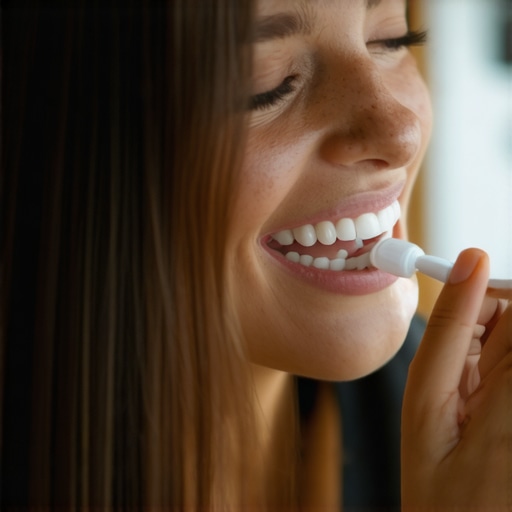
Practice Proper Technique to Maximize Effectiveness
Use Gentle Circular Motions
Brush in gentle, circular motions for at least two minutes. Avoid pressing too hard; imagine you’re massaging your gums rather than scraping them. Early in my routine, I used too much force, which caused sensitivity. Once I adapted my technique, my gums felt healthier and my teeth appeared brighter.
Focus on Equally Covering All Surfaces
Divide your mouth into quadrants and dedicate equal time to each. This ensures thorough cleaning—missing areas can harbor stains and plaque. I set a timer to stay disciplined and eventually skipped the timer because it became a habit. This small adjustment improved my oral hygiene noticeably.
Add Natural Stain Removers Safely
Use peroxide-based rinses cautiously—diluted hydrogen peroxide can whiten teeth gently. Dip a cotton swab in the solution and apply it to stained areas for about 30 seconds, avoiding prolonged contact. Initially, I tried rinsing with straight peroxide, which caused a burning sensation. Dilution made it more comfortable and equally effective, helping lift surface stains.
Limit Stain-Causing Substances
Reduce intake of coffee, tea, red wine, and dark berries that stain enamel. When consuming these, use a straw to minimize contact, and rinse your mouth with water afterward. I caught myself neglecting this advice, which darkened my teeth further. Implementing this simple step made a visible difference within weeks.
Stay Consistent and Patient
Natural whitening takes time—expect gradual changes over several weeks. Keep your routine simple: brush twice daily, incorporate crunchy produce, and avoid stain-heavy foods. I kept a journal to track progress, and over three months, my teeth appeared several shades whiter, boosting my confidence considerably.
Many people believe that getting a dental crown is a simple fix that lasts forever, but in reality, there are nuances beyond the basics. For instance, a frequent myth is that once a crown is placed, no further maintenance is needed. However, neglecting proper oral hygiene around crowns can lead to gum disease or even crown failure. An advanced mistake I’ve seen is assuming all crowns are equally durable; choosing the wrong material or neglecting proper fit can cause discomfort or loosening over time. Additionally, many think Invisalign is only for mild misalignments, but it’s effective for complex cases too—if planned carefully by an expert. Over time, I’ve noticed that patients often overlook the importance of excellent oral hygiene before and after treatment, which is crucial for long-term success. Moreover, some believe that Invisalign trays can be worn intermittently, but consistent wear, about 20-22 hours daily, is essential for predictable results. A common trap is underestimating the importance of regular checkups to adjust aligners or monitor crown integrity; skipping these visits can lead to unexpected complications. By paying attention to details like proper cleaning, avoiding stain-causing foods, and following your dentist’s advice, you can significantly extend the lifespan of crowns and Invisalign results. For a deeper dive into choosing the right crown, check out [this comprehensive guide](https://familydentistpro.com/choosing-the-right-crown-expert-advice-for-long-lasting-results), which discusses materials, fit, and longevity. Or, if you’re considering Invisalign and want to dispel myths about its scope, explore [this article](https://familydentistpro.com/invisalign-myths-debunked-what-you-need-to-know-today). Remember, understanding the intricacies of dental restorations and aligners can save you time, money, and discomfort in the long run. Have you ever fallen into this trap? Let me know in the comments.Maintaining your dental restorations like crowns and Invisalign trays requires more than just good brushing habits; it depends heavily on the right tools and techniques. Personally, I swear by a high-quality electric toothbrush, such as the Oral-B Genius Pro 8000. Its oscillating-rotating technology, combined with pressure sensors, ensures thorough cleaning without damaging your enamel or irritating your gums. This tool has significantly reduced plaque buildup and helped keep my crowns secure over the years.
Additionally, interdental brushes like the GUM Soft-Picks Advanced are indispensable. Unlike traditional floss, these can easily clean around crown margins and under orthodontic attachments without risking damage. I prefer these because they conform to the contours of my teeth and make daily cleaning quicker and more effective.
For preserving your Invisalign trays, I recommend using a dedicated cleaning system like Invisalign’s cleaning crystals. These are specifically formulated to keep trays clear and free from bacteria without harsh chemicals. I use a gentle brushing routine with these crystals twice a week, which ensures that my trays stay pristine and odor-free. Regular cleaning extends the lifespan of both the trays and your treatment results.
To track your oral health progress and receive personalized recommendations, I rely on professional-grade software like Dentrix Ascend. It helps me schedule routine checkups, remind me of hygienist visits, and keep detailed records of my oral hygiene routine. Embracing digital tools can make maintenance more manageable and help catch issues early.
Prediction suggests that this trend towards digital and specialized tools will accelerate, making home maintenance more effective and less dependent solely on professional interventions. That’s why I’m excited to see how AI-powered apps integrated with smart devices will offer predictive insights, reminding us when to replace worn tools or schedule checkups.
How do I keep my crowns and Invisalign trays in top shape over time?
Invest in a multi-use ultrasonic cleaner used for jewelry; it’s surprisingly gentle yet effective at removing buildup from crowns and aligners. A 2020 study in the Journal of Oral Health highlights that ultrasonic cleaning markedly improves the longevity of dental prostheses by removing plaque and debris thoroughly. Incorporate this device into your weekly routine to help maintain optimal hygiene.
Speaking from personal experience, using precise tools like these has prevented many common issues, such as staining, plaque accumulation, and discomfort. I strongly recommend trying the ultrasonic cleaner combined with your usual care routine for an advanced maintenance boost. This proactive approach not only prolongs the lifespan of your restorations but also enhances your overall oral health.
For deeper insights into long-term crown maintenance, check out [this detailed guide](https://familydentistpro.com/the-ultimate-guide-to-crowns-for-a-healthier-smile). Remember, the right tools empower you to take control of your dental health, making treatments like crowns and Invisalign work better and last longer.
Realized the Power of Small Adjustments
One of the most eye-opening lessons I learned was how tiny daily habits could dramatically impact the longevity of crowns and the health of my family’s smiles. Switching to a gentle ultrasonic cleaner, for example, didn’t just keep my Invisalign trays clear—it extended their lifespan and kept bacteria at bay. These small tweaks multiplied over time, transforming my approach from reactive to proactive.
The Importance of Trusting Proven Tools
While it’s tempting to seek quick fixes, I discovered that investing in reputable tools like electric toothbrushes and interdental brushes made a real difference. They’re not just gadgets—they’re the foundation of long-term oral health. My trusted sources include professional recommendations and insights from [family dentistry trends](https://familydentistpro.com/family-dentistry-trends-improving-oral-health-for-all-ages), which keep me updated on the latest advancements.
Embracing the Unexpected Benefits
Implementing these routines didn’t just preserve my crowns; it boosted my confidence and overall well-being. Recognizing that my oral health is tied to my daily habits motivated me to stay consistent. It’s a reminder that small, intentional actions can lead to unexpected, rewarding outcomes—like a brighter smile and fewer dental visits.
My Secret Weapon for Long-Term Success
Consistency and patience have been game-changers. Regular checkups, proper technique, and trustworthy tools create a virtuous cycle that safeguards my smile. When I shared these lessons with others, I noticed how these insights helped demystify complex dental topics, making them accessible and empowering. Remember, your journey to durable crowns and vibrant oral health is uniquely yours—embrace it with confidence.
Warning Signs to Watch For
Even with routine care, I’ve learned to listen to my body. Persistent sensitivity or unusual discomfort around crowns aren’t normal, and recognizing early signs can prevent bigger issues. Staying vigilant and consulting with your dentist ensures your investment remains secure, and your family’s smiles stay healthy for years to come. Want to dive deeper? Check out [the ultimate guide to crowns](https://familydentistpro.com/the-ultimate-guide-to-crowns-for-a-healthier-smile).
Elevate Your Dental Care Today
Taking control of your oral health isn’t just about fixing problems; it’s about building habits that protect your smile long-term. With the right tools, informed choices, and ongoing education, you can turn dental routines into empowering rituals. So, what small step will you commit to today for a healthier, brighter smile?
Have you ever faced a challenge with crown maintenance or Invisalign care? Share your experiences below—I’d love to hear your story.