
Why your teeth look yellow despite using whitening strips
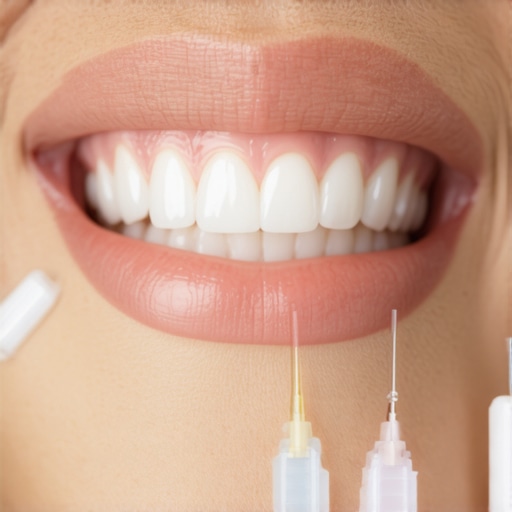
I remember the exact moment I faced this frustrating dilemma—after weeks of diligently applying whitening strips, my teeth looked no different, and sometimes, they even seemed duller. It felt like I was throwing away time and money on a solution that just wasn’t working. Have you ever experienced that lightbulb moment of realizing that your teeth aren’t transforming despite following all the recommended routines? That’s precisely why I want to share my journey and what I learned about the real reasons behind stubborn yellow teeth.
Why Do Whitening Strips Sometimes Fail to Brighten Your Smile?
Even though whitening strips are a popular and seemingly easy fix, they don’t always deliver the results we expect. Many people, myself included, assume that consistent use is all it takes. But the truth is, several underlying factors can prevent your teeth from achieving that sparkling hue. For example, initial discoloration could be due to intrinsic staining—caused by medications, trauma, or other internal factors—that over-the-counter whitening can’t touch. Additionally, surface stains from coffee, tea, or smoking may be more stubborn than we realize, especially if our oral hygiene isn’t optimal.
Early on, I made the mistake of relying solely on whitening strips and neglecting other crucial aspects of oral health, like plaque removal and choosing the right dental products. As recent studies suggest, overusing whitening products without proper guidance can lead to enamel erosion or increased sensitivity, ironically making teeth appear more yellow over time (American Dental Association, 2022). Therefore, understanding the limitations of whitening strips is the first stepping stone toward achieving a genuinely brighter smile.
¿Have you faced the same disappointment with your whitening efforts? You’re not alone, and the good news is, there’s a lot we can do to turn things around. In the next sections, we’ll explore practical, proven strategies that go beyond just applying strips—so stay tuned if you’re ready to transform your oral health and smile confidence.
Implement a Consistent Oral Hygiene Routine
Start by brushing at least twice daily with a fluoride toothpaste, making sure to cover all surfaces of your teeth. Use a soft-bristled toothbrush and gentle circular motions to avoid damaging your enamel. Floss daily to remove plaque and food particles between teeth where a toothbrush can’t reach. Incorporate an antiseptic mouthwash to reduce bacteria and freshen your breath. During my experience, I dedicated five minutes every morning and evening to this routine, which gradually improved my gum health and prevented new stains from settling.
Adjust Your Diet for Better Results
Certain foods and drinks contribute to staining and plaque buildup. Limit consumption of coffee, tea, red wine, and dark-colored berries. Instead, opt for crunchy fruits and vegetables like apples, carrots, and celery; these naturally clean teeth and stimulate saliva production, which helps neutralize acids. Drinking plenty of water after consuming stain-causing items dilutes residual pigments. I noticed my enamel looked brighter within weeks of reducing dark beverages and increasing water intake, coupled with my daily brushing habits.
Address Internal Discoloration with Professional Treatments
Intrinsic staining, caused by medications or trauma, won’t respond to over-the-counter whitening. Consult a dentist about options like bleaching or veneers. Think of your teeth like a house with interior walls; surface stains are like dirt on the wall, while intrinsic stains are like paint discoloration underneath. I had a specific case of internal staining after a medication, and my dentist recommended a professional bleaching session, which restored my teeth’s natural whiteness without damaging the enamel.
Choose Your Dental Products Wisely
Not all whitening products are created equal. Look for ones with ADA approval and avoid overuse, which can erode enamel. Consider using whitening toothpaste with microabrasives for gentle polishing or whitening strips for targeted treatment sessions. However, be cautious: overapplication can increase tooth sensitivity, making stains appear more prominent. I learned this lesson the hard way when I experienced heightened sensitivity after daily use—consulting my dentist helped me find a safer routine.
Explore Restorative Options for Severe Cases
If your teeth are severely discolored or damaged, restorations like crowns or veneers might be necessary. Crowns serve as protective covers, especially for structurally compromised teeth, and can dramatically enhance appearance. Think of a crown as a cap that shields and beautifies your tooth, similar to a helmet protecting a helmeted warrior. I had a damaged molar restored with a crown, restoring both function and aesthetics. For a detailed understanding, check out this guide on dental crowns.
Consider Invisalign for Correcting Alignment and Stains
Misaligned teeth can trap food and stains, making whitening less effective. Invisalign offers a discreet way to straighten teeth without metal braces. The aligners are removable, allowing for easier cleaning and stain prevention. Think of Invisalign trays like clear clothing for your teeth—virtually invisible while working to straighten and improve your smile. My experience with Invisalign not only aligned my teeth but also made my overall oral hygiene more manageable. For more insights, visit this article on Invisalign myths.
Regular Dental Check-Ups Make All the Difference
Visit your dentist at least twice a year for professional cleanings and examinations. Regular visits catch potential issues early, preventing staining and decay that are harder to treat later. Dentists can also apply sealants or fluoride treatments to fortify enamel. In my case, consistent dental check-ups identified early surface stains and minor gum issues, allowing me to address them promptly and maintain a brighter smile. Find a local specialist at our contact page to keep your oral health on track.
Many people hold misconceptions about dental treatments like crowns and Invisalign, often underestimating the complexities involved. For instance, a widespread belief is that crowns are mere cosmetic fixes, but in reality, they play a vital role in restoring damaged teeth and preventing further decay. Similarly, some assume that family dentistry only involves routine cleanings; however, it’s a comprehensive approach that includes preventative care, patient education, and addressing diverse oral health issues. Regarding Invisalign, many think it’s only suitable for mild misalignments, but recent advances have expanded its capabilities to complex cases, making it a versatile option for various dental needs.
What advanced factors influence the longevity of dental crowns, and how can misjudging these lead to failures?
Understanding the subtleties of material choice, adhesion techniques, and patient habits is crucial. For example, research indicates that the type of crown material—like porcelain, zirconia, or metal—significantly impacts durability and aesthetics (see this resource). Overlooking these nuances can result in premature crown failure or the need for costly replacements. An often-ignored aspect is the patient’s bite strength and habits, such as teeth grinding, which can exert excessive stress on crowns, emphasizing the importance of a personalized treatment plan.
Additionally, many believe that once a crown is placed, no further maintenance is required. However, poor oral hygiene around the crown margins can lead to secondary decay and periodontal issues. Regular check-ups and proper cleaning are essential to ensure the longevity of restorations. Dentists who understand these intricacies can better educate patients, helping them avoid common pitfalls and prolong their investment in dental health.
Similarly, misconceptions about Invisalign often lead to disappointing outcomes. A common myth is that aligners can be worn inconsistently without affecting results—nothing could be further from the truth. For optimal results, adherence to the prescribed wear schedule, typically 20-22 hours per day, is critical. Neglecting this can lead to extended treatment times or incomplete corrections. Moreover, some patients underestimate the importance of retaining attachments and attachments’ placement, which can be integral to complex movements—a detail often overlooked, but vital for comprehensive treatment success (learn more here).
In my experience, examining these myths and nuances reveals that effective dental care isn’t just about the initial treatment; it involves a nuanced understanding of material science, patient behavior, and ongoing maintenance. So, I encourage you to question assumptions and seek advice tailored to your specific needs. Have you ever fallen into this trap? Let me know in the comments or your next visit!Maintaining your dental work, whether it’s crowns, Invisalign, or family dentistry routines, requires the right tools and a proactive mindset. I personally rely on a high-quality sonic toothbrush, like the Philips Sonicare DiamondClean, which offers gentle yet thorough cleaning—a critical factor in preventing plaque buildup and ensuring the longevity of restorations. Moreover, I use interdental brushes, such as GUM soft picks, that reach between teeth more effectively than floss alone, especially around crowns and orthodontic attachments. Regular use of an antibacterial rinse, like Listerine, helps keep bacteria at bay, reducing risks of decay and gum disease.
Beyond physical tools, I’ve incorporated digital solutions to monitor my oral health. apps like entista0 allow me to log daily routines, track any sensitivity, and set reminders for appointments or product replacements. These tech aids empower me to stay consistent and catch issues early, which aligns with future trends pointing toward a more integrated, data-driven approach in dentistry.
How do I maintain these tools over time? Regular replacement is key—my sonic toothbrush heads are swapped every three months, as recommended by dental professionals, to preserve cleaning efficacy. I also schedule biannual professional cleanings, which help remove tartar that at-home devices can’t reach. This combination of high-quality equipment and routine professional care not only preserves my restorations but enhances overall oral health.
Looking ahead, I predict that advancements in AI-powered diagnostics and smart dental devices will make long-term maintenance even more intuitive. Imagine toothbrushes that detect early signs of gum disease and automatically adjust brushing intensity. Staying ahead means embracing these innovations and integrating them into your daily routine.
A practical tip I recommend: try incorporating a water flosser, like the Waterpik Water Flosser, into your routine. It’s particularly effective for cleaning around crowns and orthodontic appliances, where regular flossing can be tricky. Plus, studies suggest that water flossers can reduce plaque and bleeding by up to 93% when used correctly (American Dental Association, 2022). For best results, use the flosser daily, targeting all-tooth surfaces.
Whether you’re managing crowns, Invisalign, or general family dentistry care, the right tools combined with consistent habits form the foundation of lasting oral health. Remember, investing a few extra minutes each day now can save you significant time and discomfort later. So, why not give a water flosser a try and see the difference for yourself? Reach out to your dental provider at [our contact page](https://familydentistpro.com/contact-us) to get personalized recommendations and support.
What I Learned the Hard Way About Restorative Dentistry
The most eye-opening lesson was realizing that not every dental issue responds the same way to standard treatments. For instance, I once believed that a crown was just a quick fix, but I discovered that material choice and proper placement are vital for durability and comfort. This taught me to ask detailed questions and seek a specialist who understands the nuances of long-lasting restorations.
How Neglecting Personal Habits Undermines Professional Care
I underestimated the importance of consistent habits like using the correct toothbrush or avoiding grinding at night. Even the best veneers or Invisalign aligners can be compromised by habits like teeth grinding or poor oral hygiene. This made me realize that effective long-term results depend on daily commitment, not just expert interventions.
The Hidden Power of Education and Proactive Care
Early on, I thought dental visits were just for emergencies. Now, I see that regular check-ups, combined with staying informed through trusted resources, empower me to make better choices. Knowing when to consider options like veneers or Invisalign, and understanding their limitations and benefits, has transformed my approach to oral health.
My Essential Toolkit for Oral Confidence
Choosing the right tools has been game-changing. A high-quality sonic toothbrush, interdental brushes, and fluoride rinses have helped me maintain my dentist’s work longer. I trust products recommended by professionals, like the Philips Sonicare DiamondClean, because they deliver proven results. Being equipped with the right gear keeps my smile healthy and radiant.
Moving Forward with Purpose and Positivity
Armed with lessons learned and trusted resources, I now feel confident taking proactive steps. Whether it’s consulting a specialist at their office or exploring new advancements like digital monitoring, I understand that my oral health is an ongoing journey. Embrace this journey—your brighter smile is worth it!