
The impact of diet soda on your dental restorations
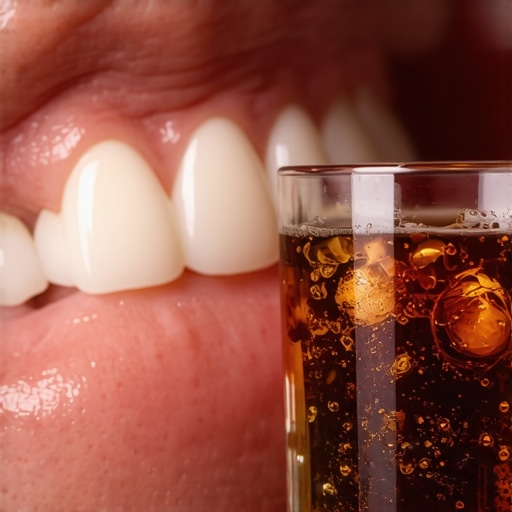
It hit me one afternoon as I reached for my favorite diet soda—my crown felt weird. That sharp, almost metallic taste was suddenly there, and I knew something wasn’t right. Turns out, my guilty pleasure was quietly threatening my dental work, and I had no idea. If you’ve ever wondered whether your beloved diet drinks could be silently damaging your dental restorations, you’re not alone.
How a simple sip can cause a big headache
I remember thinking, “It’s just a drink, right?” But the more I read, the more I realized that diet sodas, despite being calorie-free, can be surprisingly harsh on dental crowns and fillings. The acids in these beverages can erode the enamel around restorations and, over time, weaken the bond between the crown and the tooth. This is something I wish I’d known earlier—trust me, it could save you a lot of trouble.
Is all diet soda equally risky?
Not exactly. Some diet sodas are more acidic than others, and frequent consumption amplifies the risk. I used to drink multiple cans daily, thinking I was making a healthy switch. That was a mistake, and it cost me a trip to my dentist. According to a study published in the Journal of the American Dental Association, frequent intake of acidic beverages can accelerate the breakdown of dental restorations, leading to additional repairs or replacements.
Early on, I made the mistake of dismissing my dentist’s advice—thinking, “It’s just a drink, what’s the worst that could happen?” But bad habits like this can sabotage your dental health over time. That’s why I want to share what I’ve learned—so you can enjoy your favorites without risking your smile.
In the sections ahead, I’ll guide you through practical tips and simple lifestyle changes to protect your restorations. Whether you have crowns, veneers, or fillings, understanding the effects of diet soda can help you avoid unnecessary dental procedures in the future. Ready to take control of your oral health and preserve that beautiful smile? Let’s dive in and uncover the secrets to enjoying your drinks safely.
Implement Daily Oral Hygiene with Careful Attention
Start by brushing twice daily with a soft-bristled toothbrush and fluoride toothpaste, avoiding abrasive scrubs that can wear down crowns. Floss gently around restorations, using a floss that is gentle yet effective, to prevent plaque buildup that could compromise the bond.
Limit Consumption of Acidic Drinks
Reduce your intake of diet sodas and other acidic beverages, especially during meals. When you do indulge, use a straw to minimize contact with your crowns, and rinse your mouth with water afterward to neutralize acids. Remember, my own experience with frequent soda sipping led me to frequent dental repairs—don’t let that happen to you.
Practice Proper Timing and Techniques
Wait at least 30 minutes after consuming acidic drinks before brushing to avoid damaging softened enamel. Chewing sugar-free gum can stimulate saliva production, which naturally neutralizes acids and strengthens enamel around restorations.
Schedule Regular Dental Check-Ups
Visit your dentist at least twice a year for examinations and professional cleanings. Early detection of acid erosion or crown issues can save you from extensive repairs later. During these visits, discuss your diet and habits with your dentist, who can recommend personalized measures—like sealants or protective coatings—to enhance crown durability.
Use Protective Dental Products
Ask your dentist about special varnishes, sealants, or remineralizing agents that can be applied to strengthen enamel and protect crowns from acid erosion. These treatments create a barrier that shields restorations from corrosive elements found in your daily diet.
Consider Better Alternatives to Fix Your Lifestyle
If you find it challenging to cut back on acidic drinks, explore options like switching to flavored sparkling water or herbal teas, which are less harmful. Additionally, upgrading to more durable crown materials, such as porcelain fused to metal or zirconia, can offer increased resistance—check out this guide for more on crown choices.
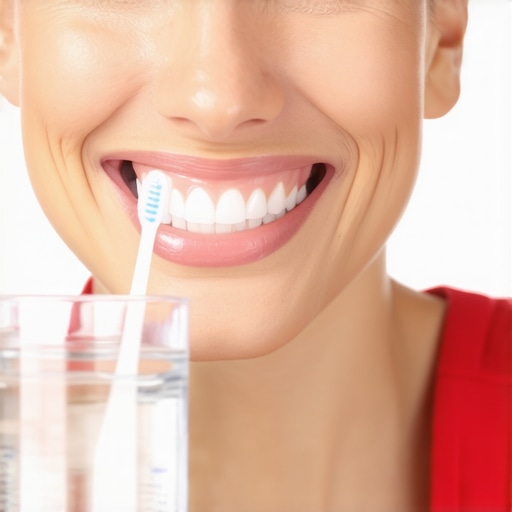 While many believe that dental crowns are a quick fix and require little maintenance, the reality is far more nuanced. A prevalent misconception is that once a crown is placed, it becomes essentially permanent without further concern. However, even the best restorations demand careful attention to oral health to prevent complications like decay at the margins or crown fractures. Trusting solely in the durability of crowns without understanding their limitations can lead to costly repairs, as detailed in the article on crown longevity. Another myth is that Invisalign solutions are always better than traditional braces, but the choice depends heavily on individual cases and lifestyle, something I addressed in Invisalign vs braces. One secret hidden from many patients involves the advanced techniques used in family dentistry that can *prevent* issues before they necessitate complex procedures. For instance, early detection of alignment or decay problems can save you from significant discomfort and expense later on.
**What do most people get wrong about oral health routines?** It’s the idea that brushing once or twice daily and flossing are enough for a lifetime of healthy teeth. In reality, the *quality* and *timing* of oral hygiene matters greatly, especially around restorations. For example, brushing immediately after consuming acidic foods or drinks can damage softened enamel, an advanced mistake many overlook. The right approach, as discussed in oral health tips, includes waiting at least 30 minutes before brushing and using remineralizing products.
**An expert tip:** Regular checkups can seem routine but are crucial for catching subtle issues early. A minor decay around a crown margin might be asymptomatic yet silently compromise your restoration. Dentists now employ digital scanning and advanced imaging that can detect such problems before symptoms emerge, aligning with the latest trends in family dentistry innovations.
**Advanced questions:** How can patients anticipate hidden risks in their orthodontic treatments? In the realm of Invisalign, factors like attachments’ placement and bite issues can influence long-term success more than most realize. For instance, inconsistent wear or inadequate attachments can lead to subpar results, which underscores the importance of choosing experienced providers—more on this in Invisalign innovations.
Let’s not forget the significance of individualized care—what works for one person might cause issues in another. For instance, some patients benefit from minimally invasive treatments like onlays instead of full crowns, especially if they fall into a gray area where preservation of natural tooth structure is possible. To explore more about these options, check out top family dentistry tips.
Are you aware of the subtle factors that could be impacting your dental health more than you think? Recognize the myths and stay informed—your smile deserves that level of care. Have you ever fallen into this trap? Let me know in the comments.Maintaining your dental restorations like crowns or Invisalign treatments over the years requires precision, the right equipment, and consistent routines. Personally, I rely on a few key tools that combine effectiveness with ease of use, ensuring my smile stays healthy and bright. One essential item is a **water flosser**, such as the Waterpik Aquarius. I prefer this over traditional floss because it reaches beneath crowns and bridges effortlessly, removing plaque in hard-to-clean areas. Regular use can significantly reduce the risk of decay at restoration margins, which is critical for long-term success. Another indispensable tool is an electric toothbrush with a pressure sensor, like the Oral-B Genius X. It not only provides consistent plaque removal but also prevents excessive force that could damage delicate restorations. The built-in timers help ensure thorough cleaning sessions, aligning with the recommended two-minute routine. Additionally, I incorporate a **remineralizing gel** containing fluoride and casein phosphopeptide-amorphous calcium phosphate (CPP-ACP). Applying this gel nightly helps strengthen enamel and buffers against acids from dietary sources, which is vital when regularly consuming acidic beverages. Looking ahead, digital monitoring apps integrated with these tools are becoming more sophisticated, offering personalized feedback on your brushing and flossing habits, which can encourage better long-term compliance.
How do I maintain oral health tools over time?
Regular cleaning and sterilization are non-negotiable. For example, water flossers should be emptied after each use and disinfected weekly with vinegar and water to prevent bacterial buildup. Electric toothbrush heads need replacing approximately every three months to maintain effectiveness, as recommended by dental experts. Using high-quality, replaceable tips ensures optimal plaque removal without risking damage to restorations. Incorporating these tools into my daily routine has made a notable difference in preserving my dental work and overall oral health. If you’re wondering how to keep your crowns and Invisalign treatments functioning smoothly, adopting these practices can make all the difference. For additional insights on protecting your investments in dental restorations, visit this guide. Consistency and the right equipment are your best allies for a lasting, healthy smile.
The Sharp Turns I Didn’t Expect in My Smile Journey
One of the most surprising lessons I learned was that even a durable crown isn’t invincible—diet, routine, and awareness play crucial roles in its longevity. Realizing that small habits, like sipping acidic beverages without precautions, could undermine years of dental work was an eye-opener. I wish I had understood earlier how personalized my oral health plan should be, based on my unique lifestyle and treatments.
My experience with Invisalign taught me that clear aligners demand consistent care and knowing what materials work best for your bite and dental history. Trusting in standard solutions without consulting an expert can lead to setbacks I could’ve avoided. The biggest lesson? Regular check-ins and tailored advice from your dentist are irreplaceable for lasting results.
Tools and Resources That Keep My Smile Strong
Over the years, I’ve relied on cutting-edge tools like a water flosser, which effortlessly cleans around crowns and braces—something I recommend to anyone with restorations. The Electric Toothbrush with a pressure sensor has saved me from damaging my delicate dental work by overbrushing. For extra strength, I incorporate remineralizing gels containing fluoride, helping my enamel resist acids from everyday drinks. For deep insights, I follow trusted sources like the comprehensive guides on crowns and restorations.
Your Smile is an Ongoing Project—Here’s to Making It Last
The future of maintaining dental health hinges on informed choices and persistent habits. You don’t have to wait for problems to appear—start integrating smart routines today. By understanding how diet, routine, and professional care intertwine, you can preserve your restorations and smile confidently for years to come. Remember, your smile is worth the effort—take ownership now and enjoy the benefits ahead!
What is one change you’re willing to make today to protect your dental restorations? Share your story below—I’d love to hear your journey toward a healthier smile!