
Why your smile looks ‘gummy’ and how to balance it
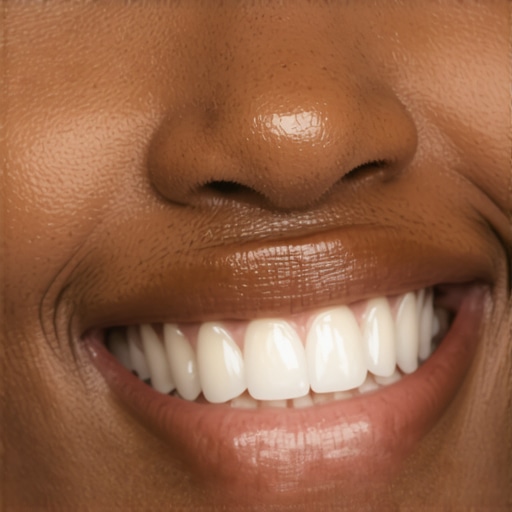
I remember sitting in a dental chair, eyes fixated on my reflection in the overhead mirror. It was one of those days when everything felt off — my confidence, my smile, even my mood. Then it struck me: my smile looked particularly ‘gummy’ today. That familiar twinge of self-consciousness crept in, making me wonder, why now?
Confronting the Gummy Smile: A Personal Revelation
For years, I had dismissed my gummy smile as just a quirk, a minor cosmetic detail. But as someone deeply passionate about oral health, I couldn’t ignore how much it affected my self-esteem. I had tried ignoring it, but the shame of what I perceived as an imbalance grew with each passing mirror glance. It was then I realized how common this feeling truly is, yet how little we talk about it openly.
My journey began with researching and consulting professionals, which led me to understand there’s often more beneath the surface than meets the eye. Sometimes, a gummy smile isn’t just about aesthetics — it can be an indicator of underlying dental structures or habits. Early on, I made the mistake of assuming it was purely cosmetic and overlooked the importance of understanding the root cause. That misstep delayed my path to effective solutions but also taught me the value of proper diagnosis before jumping into treatments.
So if you’ve ever looked in the mirror and felt that pang of insecurity about your smile, know you’re not alone. The good news? There are ways to find a balance that looks natural and feels right for you. And in this post, I’ll walk you through the insights I uncovered and the steps I took to address my gummy smile efficiently and realistically.
What Causes a Gummy Smile, and Why Should You Care?
Understanding the root of your smile imbalance is crucial. A gummy smile can be caused by hyperactive upper lip muscles, excessive gum tissue, or the way your jaw develops over time. Interestingly, some of these factors stem from habits or genetics — and recognizing them early can make a significant difference in choosing the right approach.
For example, I learned that certain habits, like thumb-sucking or tongue posture, could influence gum and jaw development. Plus, some conditions are easily mistaken for cosmetic concerns when they’re actually signs of underlying issues. This realization pushed me to seek professional advice rather than jumping straight into cosmetic procedures.
In fact, addressing these concerns early can not only improve your smile but also prevent future dental problems. If you’re curious about the common myths and facts surrounding treatments like Invisalign or crowns, I recommend checking out this resource — it helped me demystify what really works.
So, if your smile has ever made you feel exposed or self-critical, ask yourself: Have I really understood what’s causing it? Recognizing that is the first step toward a healthier, more confident smile. Next, I’ll share how a tailored approach can help you regain that balance — just like I did.
,
Assess the Root Cause of Your Gummy Smile
The first step is pinpointing what’s causing your gummy smile. Schedule a consultation with a dental professional to evaluate your oral structure. They may check if hyperactive lip muscles, excess gum tissue, or jaw development issues contribute to your smile. For instance, I had a session where my dentist used digital imaging to analyze my smile line, revealing that my top lip was overly expressive. This clarity allowed me to choose targeted treatments rather than risking unnecessary procedures.
Consider Non-Invasive, Conservative Treatments
Explore Alternative Options Before Going Under the Knife
Many opt for quick fixes like cosmetic surgery, but starting with less invasive methods can save time and preserve your natural tissues. Treatments such as orthodontics, gingival contouring, or botulinum toxin injections (commonly known as Botox) can be effective. During my own process, I tried Botox to relax hyperactive lip muscles, which softened my gummy appearance over a few weeks. It’s important to consult a specialist to determine what suits your anatomy best.
Leverage Family Dentistry for Holistic Care
Family dental clinics offer comprehensive assessments that factor in your entire oral health. Regular checkups can detect underlying issues affecting your smile’s aesthetics and function. For example, routine cleanings and fluoride treatments improved my gum health, giving my dentist a clearer view of structural issues worth correcting. Family dentistry trends emphasize personalized care, which is vital in cosmetic transformations.
Learn About Effective and Lasting Solutions
When more intervention is necessary, options like dental crowns or orthodontic appliances can produce lasting results. Crowns act like sturdy caps, restoring tooth integrity and improving smile proportions. In my case, after fixing a chipped tooth with a crown, I noticed a more balanced appearance. To ensure you select the right procedure, research and consult experts. This guide offers insights into crown procedures, helping you make informed decisions.
Implement a Consistent Oral Care Routine
Good oral hygiene supports all cosmetic efforts. Brushing twice daily, flossing properly, and using antiseptic rinses prevent gum inflammation and tissue overgrowth that could worsen a gummy smile. I began paying closer attention to my flossing technique, ensuring I cleaned thoroughly around gum margins. Routine maintenance enhances the longevity of any corrective treatments and keeps your smile healthy and vibrant.
Stay Informed and Be Patient
Achieving your ideal smile takes time. Keep researching, ask questions, and be open to adjusting your approach based on professional advice. Remember, real change happens gradually, so celebrate small victories along the way. For ongoing tips to boost your oral health, visit this resource.
Many assume that getting a dental crown or choosing Invisalign is a straightforward process, but the truth often lies beneath superficial understanding. A common myth is that all crowns are created equal. In reality, not all restorations offer the same quality or longevity. Choosing the wrong type of crown or neglecting proper placement can lead to issues like misalignment or wear, which demanding correct expertise to avoid. For instance, some patients believe crowns are purely cosmetic, yet they play a crucial role in maintaining oral function and preventing further decay. According to Dr. James Boyd, a prosthodontist, choosing the right crown involves considering material durability, biocompatibility, and your specific bite dynamics. Digging deeper, many overlook the importance of selecting a skilled specialist rather than rushing into a quick fix.
Are DIY Dental Solutions Safe or Just Risks in Disguise?
One of the most dangerous misconceptions is that home remedies or over-the-counter whitening kits can replace professional dental care. This false belief often leads to enamel damage, gum irritation, or even worsen underlying issues. For example, charcoal-based whiteners may seem harmless but can erode enamel if used excessively, compromising long-term health. The American Dental Association warns against DIY approaches without professional supervision. It’s essential to understand that oral health is interconnected; neglecting this can spawn complications that are costly or irreversible. Remember, professionals like family dentists don’t just treat cavities—they tailor preventive care that considers your unique anatomy and lifestyle, leading to better results over time.
When considering orthodontics, such as Invisalign, many think it’s just about aesthetics. But this misconception ignores the importance of proper treatment planning. Choosing aligners without a detailed assessment can cause bite issues or uneven wear, leading to more complex interventions later. To understand these nuances, check out this resource that debunks common Invisalign myths. It emphasizes that successful orthodontic outcomes depend heavily on accurate diagnosis and experience. So, always trust your dental professional to craft a systematic plan for lasting results, not just quick solutions.
Lastly, many underestimate the importance of holistic family dentistry. They focus solely on individual treatments, forgetting that comprehensive care involves the entire family’s oral health habits and preventative strategies. Regular checkups, personalized advice, and early intervention can forestall costly repairs and complex procedures later. As highlighted in this article, a proactive attitude towards oral health makes all the difference. It’s about more than fixing problems—it’s about understanding your mouth’s unique needs and addressing them before issues escalate.
In summary, challenging these misconceptions reveals the layers of complexity in dental treatments that many overlook. Making informed decisions, choosing qualified professionals, and understanding the nuanced differences in materials and techniques are key to long-lasting, healthy smiles. Have you ever fallen into this trap? Let me know in the comments or share your experiences!
Keep Your Dental Work Working for You Long-Term
Maintaining your dental restorations and orthodontic appliances requires more than routine brushing. I personally rely on specific tools and techniques that extend the lifespan of crowns, Invisalign trays, and other family dentistry investments. Investing in quality equipment isn’t just about convenience; it’s about ensuring your smile stays healthy and functional over years.
Why a High-Quality Electric Toothbrush Matters
For me, switching to a Sonicare DiamondClean gave noticeable improvements in plaque removal, especially around crowns and braces. Its oscillating brush heads deliver superior cleaning compared to manual brushes, reducing the risk of decay around restorative work. I also choose models with pressure sensors to prevent overly aggressive brushing—crucial for protecting delicate restorations.
The Power of Flossing with the Right Tools
Traditional floss is good, but I prefer individual flossers with a narrow tip, like the Reach Access Flossers. These let me glide easily between tightly fitted crowns and around Invisalign attachments. Regular flossing prevents gum inflammation that can compromise both natural tissue and restorations, ensuring everything stays in optimal condition.
Advanced Water Flossing for Deep Clean
The Waterpik Water Flosser has been a game-changer. Using it daily around implants and orthodontic devices ensures debris removal that brushing and traditional flossing may miss. The pulsating water not only cleans but also stimulates gum tissue, supporting long-term oral health.
Protective Mouthguards for Active Lifestyles
For those who grind or participate in sports, custom-fitted mouthguards from your dentist provide vital protection. I’ve found that high-quality mouthguards help preserve crowns and prevent damage to natural teeth. It’s a smart investment that pays off by avoiding costly repairs.
Digital Tools and Software for Monitoring Progress
Using apps like Dentix or Dental Monitoring allows me to track the stability of my orthodontic results between visits. These platforms enable quick check-ins with your dentist through photos and videos, catching potential issues early. Regular remote assessments can prevent minor concerns from turning into major repairs, saving time and money.
Looking Ahead: The Future of Dental Maintenance
As technology advances, I predict smart toothbrushes and AI-powered monitoring devices will become standard. Imagine toothbrushes that adjust brushing intensity based on your gum health or sensors that alert you to impending restoration failures. Embracing these innovations now will put us ahead in maintaining our smiles effortlessly.
How do I keep my dental restorations performing over time?
Consistent care using these specialized tools is key. Make sure to replace brush heads regularly, invest in high-quality flossers, and consider electronic or water flossing devices to reach all areas. Additionally, scheduling periodic checkups ensures professional assessment of your restorations’ integrity. Remember, preventative care is the best way to avoid costly repairs down the line. For more family-focused oral health strategies, visit this trusted resource. To give your crowns and appliances extra longevity, experiment with advanced tips like using a water flosser daily, which I personally do to maintain optimal hygiene and prevent plaque buildup around restorations.
What I Didn’t Expect About Long-Term Dental Care
- Patience Pays Off: I learned that dental transformations are marathon.effects, requiring ongoing commitment rather than quick fixes. This mindset helps prevent disappointments and promotes genuine health.
- Every Smile Is Unique: No cookie-cutter solution exists. Listening carefully to my dentist’s personalized advice made all the difference, especially when choosing between crowns or aligners.
- Quality Over Price: Investing in high-quality materials and professional expertise ensures longevity and avoids costly future repairs, reinforcing the value of long-term thinking.
- Holistic Care Is Key: Addressing overall family oral health—not just individual issues—creates a more balanced, sustainable approach to maintaining smiles for everyone.
- Education Empowers: Educating myself about treatment options, myths, and best practices—like those on invisalign—transformed my confidence and results.
My Toolbox for a Radiant, Healthy Smile
- High-Quality Electric Toothbrushes: Especially models with pressure sensors, like the Sonicare DiamondClean, help protect delicate restorations and ensure thorough cleaning.
- Precise Flossing Tools: Narrow tip flossers improve access around crowns and braces, reducing inflammation and plaque buildup.
- Water Flossers: Devices like Waterpik make deep cleaning around implants and orthodontic appliances effortless, supporting longevity.
- Personalized Mouthguards: Tailored protectors prevent damage for active lifestyles, saving money and maintaining dental stability.
- Progress Monitoring Apps: Platforms like Dental Monitoring allow me to keep an eye on my orthodontic progress remotely, catching issues early.
Embrace Your Dental Journey Today
Taking proactive steps with crowns, Invisalign, or family dentistry can revolutionize your oral health. Every small effort builds toward a confident, pain-free smile that lasts a lifetime. Remember, the journey is personal, and with the right knowledge and tools, you’re capable of achieving incredible results. Don’t wait for problems to arise—start today, and let your smile tell a story of dedication and care.
What part of your dental routine are you most excited to improve or explore? Share your thoughts below—I’d love to hear your story!
,