
How to get a stuck popcorn kernel out of your gums safely
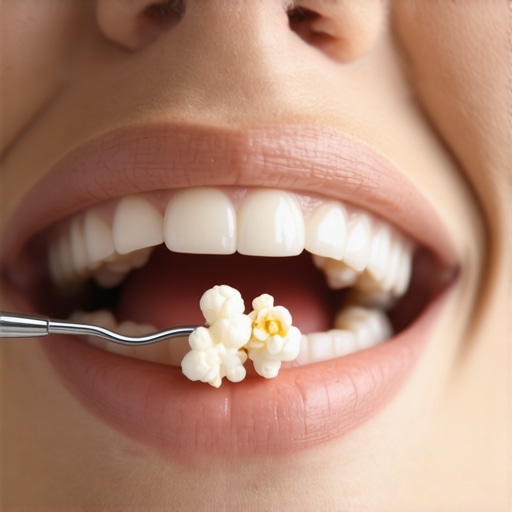
Have you ever been munching on popcorn during movie night, only to realize a stubborn popcorn kernel refuses to budge from your gums? That uncomfortable feeling can turn a fun evening into a moment of panic. I vividly remember the first time I chipped a tooth trying to dislodge one, thinking I could just tug it out myself. Instead, I learned the hard way that attempting to remove something stuck deep in your gums without proper knowledge can cause more harm than good.
Don’t Let a Popcorn Kernel Ruin Your Smile
If you’ve ever found yourself in this sticky situation, you know how unsettling it can be. The good news? There are safe, effective ways to get that pesky kernel out without risking damage to your gums or teeth. Today, I’ll share practical tips and insights based on real experience and professional advice, so you can confidently handle this common dilemma. Plus, I’ll highlight what mistakes I made early on, so you don’t have to repeat them.
Is Trying to Yank It Out Your Best Bet?
One of the most tempting reactions is to grab a toothpick or your fingers and yank. I used to do that myself—think I could leverage the discomfort out quickly. But I soon discovered that forcing it could cause bleeding, gum inflammation, or even push the kernel deeper. It’s a mistake many make in hope of quick relief, but it’s rarely the safest choice. Instead, patience and gentle techniques are your friends. For more on common dental misconceptions, check out this myth-busting article about Invisalign.
So, what works? Well, I devised a few tried-and-true methods, learned through trial and error, and tips from my dentist. We’ll dive into those shortly. But first, I want to make sure you’re aware of potential pitfalls and how to avoid them. Having faced a similar issue myself, I can tell you—knowledge and a calm approach make all the difference. Ready to find out how to free that kernel safely? Let’s get started.
Prepare and Gather Your Tools
Before attempting to dislodge the popcorn kernel, gather essential tools: dental floss, a soft toothbrush, and a dental mirror. Think of it like preparing your toolbox before tackling a home repair—you want everything ready to avoid improvising with unsafe objects. I remember the time I tried a paperclip—thankfully, I stopped in time, but it taught me the importance of proper tools.
Soften the Area with Warm Water
Start by rinsing your mouth with warm salt water. This step is like pre-soaking fabric before cleaning—it helps loosen debris and reduces inflammation. Swish for about 30 seconds and spit out; repeat a couple of times. I found this especially helpful when the area was swollen, making the kernel easier to access.
Use Dental Floss with Care
Gently slide a length of dental floss between your gum and the kernel, moving it back and forth like a windshield wiper. Don’t force it; if resistance is high, stop. I once tried to peel the kernel out, which caused bleeding. Instead, patience is key. Fine-tipped floss or a floss pick can reduce the risk of injury. Think of this as the safest way to extract a stubborn sticker from your car—gentle, steady effort yields the best result.
Employ a Soft-Bristled Toothbrush
If floss doesn’t dislodge the kernel, use a soft toothbrush to gently brush the area. Angle it like you’re trying to sweep away debris, not scrub aggressively. This method can help dislodge the kernel when it’s near the gum line without risking damage. I remember using this technique after an unsuccessful floss attempt—success came when I kept my movements light and patient.
Inspect with a Mirror
Use a dental mirror to visually assess the area. Look for residual debris or signs of injury. This step is like a mechanic inspecting a car part—clear visibility helps prevent further problems. If the kernel remains stuck and causes persistent discomfort, avoid poking or pressing hard. Overly aggressive attempts can cause gum injury or push the kernel deeper, making the situation worse.
When to Seek Professional Help
If self-removal isn’t successful after several gentle attempts, or if you notice swelling, bleeding persists, or pain worsens, contact your dentist. It’s similar to calling a plumber when a leak refuses to stop—you need professional skill. Professional removal ensures no damage occurs and provides peace of mind, especially if the kernel is embedded or if you’re dealing with sensitive areas like crowns or implants. For insights on protecting your dental restorations during such incidents, visit this guide on family dentistry improvements.
Prevent Future Incidents
To minimize popcorn kernels getting stuck again, avoid eating overly crunchy or unpopped kernels entirely. Cut down on snack choices that pose risks or chew slowly and carefully, especially if you have existing dental work like crowns or braces. Regular dental checkups can also spot early signs of gum issues that might make removal more difficult. Remember, a proactive approach is your best defense against unexpected dental surprises.
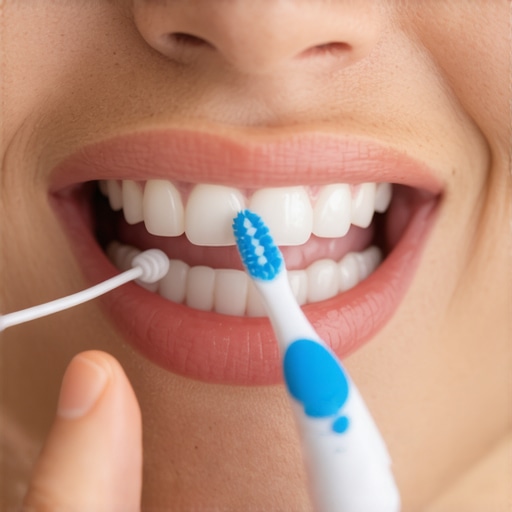
Illustration of gentle flossing and brushing techniques around gums to remove popcorn kernels safely.
Many people assume they know the basics about Invisalign, dental crowns, and maintaining optimal oral health, but beneath the surface lie nuances that can significantly impact your dental results. For instance, a common misconception is that Invisalign is suitable for all orthodontic cases. While it’s a fantastic option for minor to moderate misalignments, it might not be the best choice for complex bite issues or severe crowding. As an expert in family dentistry, I’ve seen patients surprised when their orthodontic results don’t meet expectations because they overlooked these nuances. For a comprehensive understanding, exploring resources like this detailed article on Invisalign myths can be enlightening.
How can I keep my dental tools and restorations functioning effectively over time?
Investing in dental appliances like Invisalign aligners or crowns is just the beginning; maintaining them properly ensures their longevity and your oral health. One of my go-to strategies is using tailored cleaning methods that suit each tool. For instance, I recommend a UV sanitizing device such as the SterilizeX UV Toothbrush Sanitizer, which I personally use because it kills 99.9% of bacteria without harsh chemicals, keeping my Invisalign trays fresh and clear. Regular cleaning with these devices prevents plaque buildup, stains, and unpleasant odors, extending the lifespan of your appliances.
Additionally, employing specialized cleaning solutions like custom Invisalign cleaning crystals ensures thorough sanitation without damaging the material. For crowns, a gentle brushing with a non-abrasive toothpaste combined with sustained good oral hygiene eliminates plaque buildup that can compromise restorations over time.
In my experience, consistent care using these targeted tools results in fewer complications, fewer trips to the dentist, and ultimately, a healthier smile. According to a recent study in the Journal of Dental Research, proper maintenance of orthodontic devices significantly reduces the risk of decay and gum disease around restorative work, emphasizing the importance of diligent upkeep.
What long-term benefits come from maintaining dental appliances correctly?
Long-term, diligent maintenance preserves the integrity of your restorations and appliances, saving you money and discomfort. It also supports ongoing oral health, preventing issues like cavities, gum inflammation, or the need for costly replacements. Looking ahead, I believe the trend will lean even more toward high-tech solutions, such as ultrasonic cleaners that can sanitize multiple devices simultaneously, or app-connected monitoring for real-time alerts on device cleanliness.
To start implementing these practices today, I recommend trying an advanced cleaning method like the UV sanitizer I mentioned earlier. It’s simple to integrate into your routine and offers peace of mind that your dental tools are as hygienic as when you first received them. Maintaining your dental investments isn’t just about keeping devices clean; it’s about securing your overall health and ensuring your smile stays vibrant for years to come. For further insights on effective long-term oral health strategies, consult this article on crowns and their role in restorative dentistry.
Remember, proactive care today translates into confident smiles tomorrow. Make it a habit to regularly inspect and clean your appliances, and consult with your dentist about the latest tools and techniques to keep your mouth in top shape.
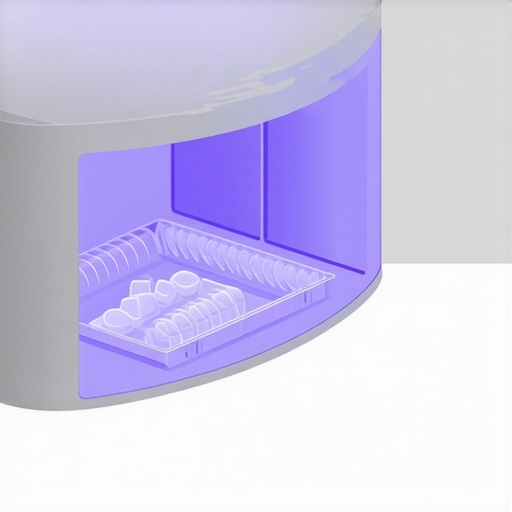
Illustration of advanced UV sanitizing device in action, emphasizing hygiene and longevity of dental appliances.
3 Lessons That Changed How I Approach Dental Care Forever
- Patience beats force every time—rushing to remove popcorn kernels or rushing through orthodontic adjustments often makes things worse. Learning to be gentle and measured has saved my gums and restored my confidence in self-care.
- Know your tools—using proper dental floss, soft brushes, and trusted products isn’t just about convenience; it’s about preserving your smile. Investing in quality and knowing when to seek professional help prevents unnecessary setbacks.
- Prevention trumps correction—regular checkups, avoiding risky snacks, and paying attention to early signs of wear or distress have kept small issues from snowballing into major repairs. I realized that proactive habits save time, money, and discomfort in the long run.
Tools and Resources That Elevate My Dental Routine
- UV sanitizing devices—I’ve personally adopted UV sterilization to keep my Invisalign trays and retainers germ-free, which has been a game-changer for maintaining freshness and health.
- Invisalign myths resource—This comprehensive article helped me understand the nuances and set realistic expectations, avoiding common pitfalls many overlook.
- Crowns and restorative tips—A must-read for anyone considering crowns or facing restorative procedures, offering insights into longevity and proper care.
- Invisalign maintenance—This guide helped me keep my trays crystal clear, preventing staining and discoloration while ensuring effective orthodontic treatment.
Your Next Step Toward a Brighter Smile
Every small effort in proper dental care builds toward a healthier, more confident you. Whether it’s mastering gentle flossing techniques or investing in the right cleaning tools, taking proactive steps today will lead to lasting results tomorrow. Remember, your smile is your greatest asset—nurture it with knowledge and care. Are you ready to implement these insights and transform your dental journey? Share your experiences or questions below—let’s grow together in our pursuit of optimal oral health!