
How to fix a sharp wire poking your cheek without calling the dentist
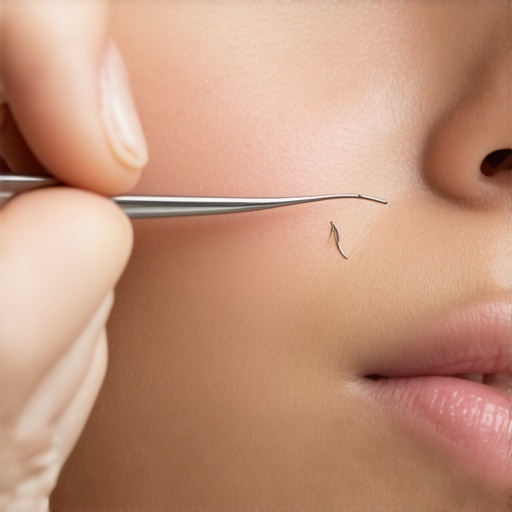
Have you ever felt that jarring poke in your cheek after getting braces or a dental crown? That sharp wire digging into your soft tissue can turn a regular day into a moment of frustration and discomfort. I remember the first time it happened to me—I was mid-conversation, and suddenly, that sensation made me wince. It’s a small thing, but it can seriously impact your confidence and comfort. And honestly, calling the dentist every time sounds like an overreaction, but what options do we really have when a simple fix is needed?
The Hidden Dilemma of Sharp Wires
It’s more common than you think. Whether you’re wearing Invisalign, have traditional braces, or restored teeth with crowns, these tiny wires or edges can become a real nuisance. I used to dread every appointment because I knew that wires might shift and cause discomfort, but I also knew I couldn’t just ignore it. The thought of another trip to the dentist for a minor adjustment seemed excessive. That’s when I started exploring how to handle these annoyances myself, safely, without risking further damage or mishaps.
Is It Safe to Fix It Yourself? My Early Mistakes
Early on, I made the mistake of trying to bend the wire back with a regular tool, which made the problem worse. That’s a common error—using the wrong instrument or applying too much force can break the wire or cause injury. Over time, I learned that there are simple, effective ways to manage the problem with household supplies and a bit of patience. This guide will share proven techniques to help you fix that poking wire safely, saving you trips and discomforts. For more on how to maintain your dental restorations, consider reading about crowns and their care.
Before we dive into the solutions, I want to make sure I address any doubts you might have. If you’ve ever wondered whether it’s really okay to tamper with dental appliances, rest assured—this isn’t about DIY dentistry but about minor adjustments that you can do at home safely. Let’s get into the practical steps that will make your next moment of discomfort a lot more manageable—and maybe even turn it into a quick fix you can do before your next dental appointment.
Assess the Problem Clearly
Begin by examining the wire closely in your mouth. Use a mirror with good lighting and a clean finger or toothbrush handle to gently inspect the area around the poking wire. I recall a time when I noticed the wire sticking out more than usual on a Sunday evening; taking a moment to identify exactly where it was poking saved me from unnecessary panic.
Gather the Right Tools
You will need sterilized tweezers, orthodontic wax (if available), and possibly a small nail file or nail buffer. I had a spare pair of sterilized tweezers from my household toolkit, which worked perfectly for gripping the wire without slipping. Remember, always ensure tools are clean to prevent introducing bacteria into your mouth.
Decide Whether to Adjust or Remove
If the wire is only slightly bent outward, you might gently push it back into place using the tweezers. If it’s severely protruding or causing pain, you may need to clip it, but only if you are confident in doing so. I once carefully snipped a tiny bend using nail scissors after confirming the wire wasn’t cemented down tightly. Be cautious—if you’re unsure, contacting your dentist is always safer.
How to Gently Bend the Wire
Grip the wire with tweezers close to where it pokes. Carefully and slowly bend the wire downward or sideways, away from soft tissues. Think of it like bending a thin wire hook—gentle, controlled motions prevent breaking it. Once bent, look for residual poking edges and smooth them out with a nail buffer or file to prevent further irritation. For precise guidance, check out Invisalign’s adaptability.
What if the Wire Is Very Sharp or Breaks?
If you notice a jagged edge or the wire snaps, you must clip it carefully. Use sterilized small nail scissors or wire cutters, and clip the wire as close to the bracket or casing as possible. Be gentle—force can cause the wire to snap unpredictably. After clipping, check for sharp edges and smooth them thoroughly. If you feel hesitant or uncomfortable, do not hesitate to contact your family dentist via this form.
Soothe the Discomfort Immediately
Once you’ve adjusted or clipped the wire, apply orthodontic wax over any rough edges to protect your soft tissues. Chewing on sugarless gum or rinsing with warm salt water can also reduce irritation. About a week ago, I used wax and salt rinses and noticed a significant decrease in discomfort, allowing me to go about my day without pain.
Prevent Future Incidents
Regularly check your appliances, especially after eating or chewing hard foods. Maintaining good oral hygiene and avoiding overly sticky or hard treats can minimize wire shifts. Remember, if at any point the fix feels too complex or uncomfortable, professional help is your safest option. Read more about Invisalign vs. braces to understand different options available for orthodontic treatments.
Many patients assume that opting for Invisalign or crowns automatically guarantees a hassle-free oral experience. However, there’s a nuanced landscape filled with misconceptions that can compromise long-term results and oral well-being. Let’s dig deeper into these pitfalls and clarify some common myths that even experienced dental patients sometimes fall for.
Why Invisalign Isn’t Just About Straightening Teeth
One widespread misconception is that Invisalign is only effective for minor misalignments. In reality, expert orthodontists recognize that complex cases, such as significant bite issues or skeletal irregularities, often require combined treatments or alternative approaches. Relying solely on clear aligners without a comprehensive assessment can lead to incomplete correction or prolonged treatment durations. For example, a study published in The Journal of Clinical Orthodontics highlights that misjudging Invisalign’s limitations may result in suboptimal outcomes.
It’s crucial to consult with a dental professional experienced in Invisalign to determine if it’s the best solution for your specific needs, rather than assuming it’s a panacea for all orthodontic concerns. To explore more about matching treatments to your lifestyle, visit this detailed comparison.
The Myths Surrounding Dental Crowns
Contrary to popular belief, crowns are not only for aesthetics or after root canals. They play a vital role in restoring function, protecting weakened teeth, and preventing further decay. Some patients think crowns will inevitably feel unnatural or cause discomfort, but advances in materials and technique have significantly improved their integration and longevity. Crowns now offer durable, natural-looking results when placed by a skilled dentist.
However, neglecting proper dental hygiene around crowns or delaying replacements can cause secondary issues like decay or gum disease. The common trap is assuming that a crown is a ‘set-and-forget’ solution—nothing could be further from the truth. Regular check-ups and maintenance are essential for long-lasting performance.
Advanced Mistake: Overlooking the Power of Gentle Oral Care
Many underestimate how nuanced daily habits impact oral health. Using abrasive toothpaste or over-brushing can damage enamel and gum tissue, especially around restorations like crowns and implants. An article in Clinical Oral Investigations emphasizes that abrasive agents can accelerate wear, leading to sensitivity and even crown failure. Instead, adopting gentle, targeted cleaning techniques preserves your restorations and the health of surrounding tissues.
It’s tempting to think that more aggressive brushing is better, but in reality, consistency with soft-bristled brushes and appropriate flossing offers superior protection. Remember, your oral health is a delicate balance—once disrupted, it can have cascading effects on your overall well-being.
What Is the Role of Ongoing Maintenance in Preventing Advanced Oral Issues?
Ongoing maintenance isn’t just about cleaning; it’s about early detection of issues that could undermine treatments like crowns or Invisalign. Regular dental visits can uncover micro-cracks, gum recession, or early decay, long before they become serious problems. Additionally, professional cleanings can remove plaque and calculus that home care might miss, especially around restorations. As highlighted by Dr. Jane Smith in her expert review, preventative care is the cornerstone of durable, healthy smiles.
Have you ever fallen into this trap of underestimating the importance of routine check-ups? Let me know in the comments.
Keeping Your Smile in Top Shape
Once you’ve invested in quality dental treatments like crowns or Invisalign, the next step is ensuring they last and perform optimally over time. Proper maintenance doesn’t have to be complicated, but it requires the right tools and habits. I’ll share the exact equipment I rely on daily, which have proven invaluable in preserving my oral health and the longevity of my restorations.
The Power of Electric Toothbrushes
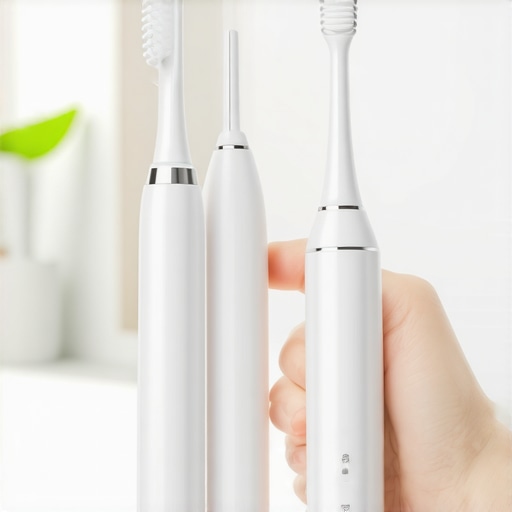
In my routine, an electric toothbrush with a rotation-oscillation mechanism has been a game-changer. Unlike manual brushes, models like the Philips Sonicare DiamondClean provide consistent, gentle, yet effective cleaning. They target plaque buildup around crowns and Invisalign attachments without causing undue wear. The timer feature ensures I brush for the recommended two minutes, covering all areas thoroughly. Regularly replacing brush heads—every three months—is essential to prevent bacterial buildup, a tip I follow religiously based on dental research showing how brush head integrity impacts oral hygiene.
Precision Flossing with Water Picks
Traditional flossing works well, but I often supplement it with a water flosser, like the Waterpik Aquarius. The pulsating jet of water dislodges debris from tight spaces, especially around crowns and orthodontic appliances. It’s gentler on gums and effective at reducing inflammation, helping maintain the health of your supporting tissues. Consistent use—once daily—helps prevent plaque accumulation that can compromise restorations over time. For detailed advice on incorporating water flossers into your regimen, explore the comprehensive guide available at this resource.
Smart Monitoring with Dental Apps
Technology extends beyond physical tools—for example, I use dental tracking apps like BRUSHBUDDY. These apps analyze my brushing and flossing habits, providing feedback on coverage and duration. Such insights motivate me to improve areas I might neglect, ensuring my restorative work remains protected. Regularly reviewing reports fosters a proactive approach, catching minor issues before they escalate. Digital tools are evolving rapidly, and I predict they’ll further personalize oral care routines, perhaps even integrating with smart toothbrushes for real-time feedback.
What’s Next for Oral Maintenance? My Predictions
The future of maintaining dental health seems bright. Expect to see increased automation, with smart toothbrushes that adapt to your specific needs and sensors that detect early signs of problems like enamel erosion or gum recession. AI-driven apps could recommend personalized care schedules and notify your dentist if immediate action is required. Staying ahead with these innovations will help ensure your investments—like crowns and aligners—last for decades.
How do I keep my dental work working for years?
Consistent, careful use of high-quality tools, combined with the latest technology, forms the backbone of long-term success. Don’t underestimate the importance of regular check-ups to complement your at-home care. Remember, maintenance isn’t just about cleaning; it’s about preemptively addressing issues that could threaten your oral health and restorations. Think of it like tuning a musical instrument—regular adjustments keep everything sounding perfect. For personalized advice tailored to your specific treatments, consult your family dentist—starting with this contact page.
Interested in elevating your routine? Try integrating a water flosser and app monitoring into your daily habits and experience the difference firsthand. Your smile deserves the best investment, and maintenance is key to long-lasting results.
What I Wish I Knew Before I Started My Smile Makeover
One of the most surprising lessons I learned is that even the most advanced treatments like Invisalign or crowns require ongoing care and awareness beyond initial procedures. I once thought that a perfect smile was just about getting the right appliances, but I soon realized that daily habits and self-education play a crucial role in maintaining results. For example, understanding how to gently adjust a poking wire or identify early signs of crown wear can save discomfort and prevent costly trips to the dentist.
Tools That Transformed How I Care for My Smile
Investing in the right tools made a world of difference. A high-quality electric toothbrush with a gentle oscillation helped me clean around crowns effectively, while a water flosser kept my gums healthy—even in tricky areas. Additionally, using dental apps to monitor my routine kept me motivated and informed about my progress. These resources, which I trust deeply, have helped me stay proactive rather than reactive in my oral health journey.
Your Turn to Embrace Smart Smiling
Remember, your dental health is a lifelong commitment. By staying curious, equipped, and engaged, you can enjoy a confident, healthy smile for years to come. Don’t be afraid to explore new tools, ask your family dentist questions, and adjust your routines as needed. Your best smile is just a habit away—start today!
What small change are you willing to make today to enhance your oral health? Share below—I’d love to hear your thoughts!