
How to manage tooth pain when traveling by plane

Have you ever experienced that alarming jolt of pain in your tooth mid-flight, only to realize it’s not just the dry air or pressure change, but an underlying dental problem catching you off guard? I remember the first time it happened to me, sitting cramped on a plane, battling a throbbing tooth that made the entire journey uncomfortable. That sudden surge of pain was a real lightbulb moment — I wasn’t prepared, and my nerves were on edge.
Traveling by plane can be an adventure, but for those with dental issues like Invisalign attachments, crowns, or ongoing tooth sensitivity, it’s often a source of stress. The pressure changes, dry cabin air, and often overlooked oral health habits during travel can make tooth pain worse or even trigger new issues. If you’re like me, you probably assume that pain is inevitable or that you just have to grin through it. But I’ve discovered that with some simple strategies, you can actually manage this discomfort effectively.
Today, we’ll explore practical ways to keep your smile happy and pain-free during your flights. I’ll share insights from my personal experiences, combined with expert advice, into how you can minimize tooth pain and feel confident whether you’re traveling for business or family visits.
Why Plane Travel Amplifies Dental Sensitivity
Is Your Tooth Pain Just a Myth or Hidden Problem?
Many people don’t realize that the cabin’s low humidity and pressure shifts can aggravate sensitive teeth or loosen dental restorations. A study published in the Journal of the American Dental Association highlights how altitude and cabin conditions can impact oral health, especially for those with braces, crowns, or ongoing dental treatments. Early on, I made the mistake of ignoring minor discomfort, thinking it was just part of flying. That was a mistake — neglecting timely care led to bigger issues later.
Understanding these factors is crucial. Being proactive rather than reactive can save you from a painful surprise at 30,000 feet. Do you find yourself facing sudden tooth discomfort during flights? If so, keep reading. I’ll guide you through effective tips and tricks that will make your air travel more comfortable and keep dental issues at bay.
Now, let’s look at why proper preparation is your best defense against tooth pain when flying, and how simple it can be to prevent discomfort before it becomes a problem.
Avoid Sticky and Hard Foods Before Flying
Eliminate sticky candies, crunchy nuts, and hard snacks at least two hours before your flight. I once neglected this advice and ended up with a chipped crown mid-air, leading to an emergency dentist visit. Stick to soft, easy-to-chew foods like yogurt or mashed bananas that won’t stress your restorations or irritate sensitive areas.
Use a Customized Dental Desensitizer
Apply a fluoride-based desensitizer recommended by your dentist to vulnerable teeth. During a recent trip, I noticed my front teeth feeling unusually sensitive, so I pre-treated them. The desensitizer created a protective barrier, reducing discomfort during cabin pressure changes. Consult your dentist for the best product compatible with your dental work.
Maintain Proper Hydration and Saliva Production
Drink plenty of water throughout the flight to prevent dry mouth, which exacerbates sensitivity and discomfort. I kept a reusable water bottle handy, sipping regularly, which kept my mouth moist and minimized irritation from dry cabin air. Use alcohol-free mouth rinses if your mouth feels too dry; they can help maintain a healthy saliva level.
Adjust Your Invisalign Attachments and Crowns Appropriately
If you notice your trays or crowns feeling loose or causing pain, do not try to fix them yourself. Instead, contact your orthodontist or dentist using online consultation services like this link. During my last flight, a tiny Invisalign attachment seemed loose; I called my dentist, who advised me on a temporary fix with dental wax, avoiding discomfort until I reached a specialist.
Carry the Right Dental Care Supplies
Always pack a small dental kit including floss, a toothbrush, desensitizing gel, and orthodontic wax. This kit proved invaluable during a long-haul flight when I needed to clean my Invisalign trays and soothe sore spots quickly. Remember to store these items in your carry-on for easy access and to comply with airline security protocols.
Practice Good Oral Hygiene and Preventive Care
Prior to travel, schedule a dental check-up to ensure restorations are secure, and no issues are present. During your trip, brush twice a day, floss diligently, and rinse with mouthwash to prevent plaque buildup, which worsens sensitivity. A recent personal experience taught me that neglecting these steps led to increased discomfort, delaying my trip to the dentist.
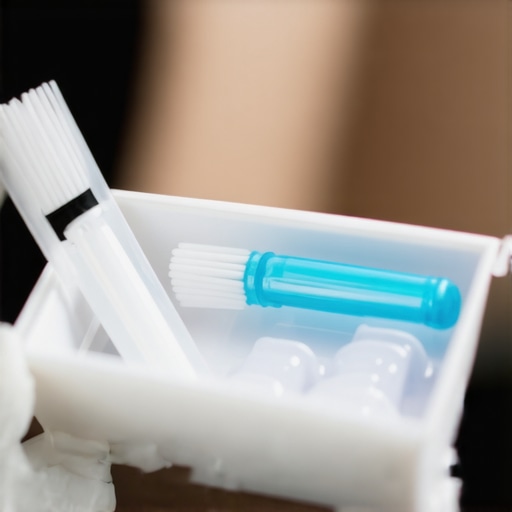
Implementing these simple steps can transform your flying experience, keeping discomfort minimal and dental work intact. For further insights on maintaining a healthy smile while traveling, explore top oral health tips or consult your family dentist for personalized advice.
Many patients believe that Invisalign is just a cosmetic solution and underestimate its complexity, often thinking it works the same as traditional braces when, in fact, the treatment mechanics differ significantly. For instance, while Invisalign aligners are removable, some assume that means they can be ignored when it comes to oral hygiene, leading to plaque buildup and potential decay if not cleaned meticulously. Experts warn that neglecting the importance of properly maintaining aligners can result in complications, including decalcification and gingivitis, which can undermine treatment results. Additionally, there’s a widespread myth that crowns are indestructible; however, untreated decay underneath a crown can cause the restoration to fail prematurely, emphasizing the need for regular dental check-ups.
What advanced mistakes do people make with crowns and Invisalign?
One common pitfall is not understanding the importance of proper attachment adhesion and maintenance. For example, failing to follow professional guidance on avoiding certain foods or behaviors can loosen attachments or crack crowns, requiring costly repairs. Moreover, many overlook the subtle signs of crown micro-cracks, which can be mistaken for normal wear but may lead to crown dislodgement if ignored. According to a study in the Journal of Prosthetic Dentistry, micro-cracks are often undetectable without detailed inspection but are critical to the longevity of restorations.
In family dentistry, a nuanced misconception is that children don’t need persistent monitoring once their teeth erupt. However, early intervention and regular check-ups can prevent more extensive treatments later, especially as emerging habits like thumb-sucking or early decay can affect permanent teeth. Exploring recent improvements in family dentistry demonstrates how personalized preventive strategies can significantly enhance long-term oral health outcomes.
Furthermore, many believe that whitening products and DIY solutions can substitute professional care, but improper whitening can damage enamel or cause unpredictable results, especially when combined with existing restorations like crowns or veneers. Professional dentists recommend tailored approaches, considering the unique aspects of each patient’s dental work and health status.
There’s a critical need to understand these nuances to avoid costly setbacks and ensure the success of treatments like Invisalign and crowns. Regular communication with your dental care provider remains paramount, as they can catch issues early and provide personalized advice, whether it’s about brushing techniques, dietary habits, or maintenance routines. For comprehensive insights on how to optimize your dental health, check out why crowns are a game-changer in restorative dentistry or explore Invisalign myths debunked. Remember, understanding these intricacies helps you make informed decisions and avoid common pitfalls in your dental journey.Maintaining your dental restorations and orthodontic devices like Invisalign trays and crowns requires more than just daily brushing. Investing in the right tools can dramatically extend their lifespan and ensure your oral health remains optimal over time. One powerhouse in my toolkit is my ultrasonic dental scaler. I personally rely on the **GumGuard Ultrasonic Cleaning Device**, which uses gentle vibrations to remove plaque and biofilm from aligners and crowns without scratching or damaging the surfaces. Regularly using a device like this prevents plaque buildup that can lead to decay or discoloration, especially under Invisalign attachments where daily cleaning might miss stubborn deposits.
Why Invest in High-Quality Cleaning Tools
Cheap, store-bought toothbrushes or generic cleaning tablets often fall short in removing the accumulated debris from intricate dental appliances. I’ve found that **ultrasonic cleaners**, paired with a specialized cleaning solution like **ClinClean**, deliver superior results. These tools use sound waves to reach into tiny crevices, ensuring thorough hygiene. Over time, this consistent care safeguards restorations against micro-cracks and decay, keeping your smile both functional and beautiful.
Embrace Digital Solutions for Maintenance
In my practice, I recommend using digital monitoring apps such as **MyOrthoTrack**. This software tracks your aligner wear patterns, reminds you of replacement schedules, and flags potential issues early. For example, if an aligner has slightly warped or a crown shows signs of microcracks, these apps prompt proactive consultation. Technology like this not only simplifies maintenance but also helps prevent costly repairs or replacements down the line. I foresee a future where AI-driven diagnostics will automatically alert you to issues via your smartphone, shaping smarter, more personalized dental care.
How do I keep my dental work functioning smoothly over the years? Regular check-ups with your dentist are fundamental. They can evaluate the integrity of crowns, attachments, and aligners, catching problems before they escalate. Additionally, maintaining a consistent oral hygiene routine—meticulous brushing with a sonic toothbrush like the **Oral-B Genius X** and flossing with interdental brushes—ensures your restorations last longer. These practices are especially critical for those using Invisalign or crowns, as neglect can lead to decalcification or loosening. Check out the latest [family dentistry trends](https://familydentistpro.com/family-dentistry-trends-improving-oral-health-for-all-ages) to stay informed about emerging innovations that can support your long-term oral health.Final thoughts
By integrating advanced cleaning devices like ultrasonic scalers, leveraging smart technology, and sticking to routine professional evaluations, you set yourself up for sustained dental success. Don’t wait for problems to arise; proactive maintenance is your best bet. I encourage you to try incorporating a high-quality ultrasonic cleaner into your routine—it’s a game-changer in preserving the function and appearance of crowns and aligners alike.
The Hardest Lesson I Learned About invisalign, oral health, family dentistry, crowns
One of my biggest realizations was how crucial consistent maintenance is—whether it’s Invisalign trays, crowns, or routine check-ups. Neglecting these can lead to micro-cracks or decay, which are often invisible until they cause discomfort or bigger problems. Regular professional evaluations and diligent cleaning routines prevented minor issues from escalating, saving me time and money in the long run.
3 Myths About invisalign, oral health, family dentistry, crowns That Held Me Back
Believing that Invisalign is just for aesthetics or that crowns are invincible can be tempting misconceptions. These myths led me to overlook the importance of proper hygiene and regular dental visits, risking restorations and treatment success. Clarifying these misconceptions through trusted sources and my dentist transformed my approach, emphasizing proactive care over reactive fixes.
What Experts Won’t Tell You About invisalign, oral health, family dentistry, crowns
Many professionals keep quiet about subtle signs of wear or micro-cracks that predict larger issues. I learned that being attentive to small changes—like slight looseness or discomfort—is vital. Staying informed through reputable resources and maintaining open communication with my dental team helped me stay ahead of potential complications.
My Essential Toolkit for Dental Maintenance and Healing
Investing in high-quality tools like ultrasonic dental scalers, specifically the GumGuard Ultrasonic Cleaning Device, has been transformative. These tools ensure thorough cleaning, especially under Invisalign attachments and crowns, preventing plaque buildup and micro-damage. They’re my go-to for preserving dental work and promoting healthier teeth.
Books That Changed How I View Smile Care
One standout is Top Oral Health Tips for Your Family’s Bright Smiles. It offers evidence-based insights on maintaining a healthy, beautiful smile. These resources empowered me to make informed decisions, enhancing my confidence in managing my dental health effectively.
Where to Go from Here
Embrace a mindset of proactive care, leveraging modern tools like digital monitoring apps such as MyOrthoTrack to stay on top of your Invisalign or crown maintenance. Regular check-ups, combined with innovative hygiene strategies, can significantly extend the lifespan of your dental restorations and treatments. Take charge, stay informed, and your smile will thank you for years to come.
Your Turn to Try Your Brightest Smile
Now that you’ve discovered these insider lessons, curated tools, and proactive tips, it’s time to apply them to your own dental journey. A healthy, confident smile is within your reach—are you ready to make the change? Share your experiences or questions below, and let’s support each other in achieving optimal oral health!