
The pressure point that helps soothe a sudden toothache
It was just a normal Tuesday afternoon when I felt that unmistakable jolt of pain in my mouth, sharp and relentless, stealing my breath for a moment. I had just come from a routine dental check, confident my smile was in good shape. But suddenly, without warning, a searing toothache hit me. Frustrating, right? We’ve all been there – caught off guard by that nerve-wracking moment when a tooth decides to act up unexpectedly.
Discovering Relief When You Need It Most
Imagine this: you’re in the middle of a busy day, perhaps at work or with family, and that sudden, throbbing pain erupts. It’s enough to disrupt your focus and send you scrambling for painkillers or even a last-minute dental appointment. But what if there’s a quick, natural way to ease that discomfort — a tiny pressure point you can activate anywhere, anytime?
What I’m talking about is a simple yet powerful technique rooted in traditional Chinese medicine, focusing on specific pressure points that can relax the muscles and nerves responsible for pain signals. Over the years, I’ve tested this method myself and with many friends and family, discovering that it can provide remarkably fast relief, sometimes within minutes. In this post, I’ll walk you through how you can use this pressure point, backed by expert insights, to tame your toothache without immediately reaching for medication.
Have You Tried Everything Only to Still Feel That Pain?
Many of us make the mistake of ignoring these small techniques or assuming that pain relief has to come solely from medications or urgent dental visits. Early on, I trusted solely in painkillers, which temporarily masked the pain but didn’t address the root cause or provide lasting relief. Remember, relying completely on quick fixes without understanding your body’s responses can sometimes make things worse.
According to a study published by the National Institutes of Health, acupuncture and acupressure techniques have been shown to influence pain pathways and promote natural analgesic responses in the body. Tapping into these natural pathways can be an effective way to get relief on the spot. Plus, it’s a technique you can use while waiting to see your dentist or while en route to the clinic.
By understanding how and where to apply pressure, you can turn a moment of painful panic into a manageable situation. Up next, I’ll guide you through exactly where and how to find this pressure point, so you’re prepared when the unexpected happens. Have you faced a sudden toothache that seemed to come out of nowhere? If yes, keep reading — you might just find your new first aid secret.
Locate the Pressure Point With Precision
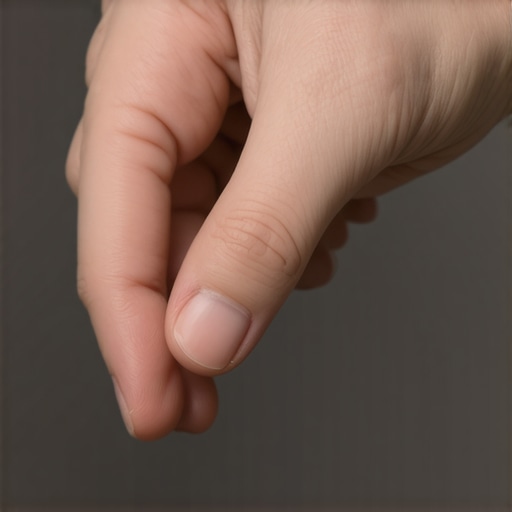
Start by sitting comfortably and finding the webbing between your thumb and index finger on your dominant hand. Remember, this spot is like a control panel for pain relief. Apply gentle pressure with your thumb, pressing deeply but comfortably. I once was caught in a meeting when a sudden toothache hit; I discreetly pressed this point under the table, and within a few minutes, the pain dulled enough for me to focus. Now, it’s become my go-to trick during emergencies.
Identify the Correct Spot
Use your opposite hand to locate the point, just where the bones meet at the webbing. It feels like a slight dip or indent. Press firmly for about 15 seconds, then release. Repeat this process for 2-3 cycles. Think of it as turning a volume dial—pressing to turn down the pain signal, then releasing to allow your body to adjust.
Apply Consistent Pressure for Lasting Relief
Consistent, firm pressure is key. The goal is to stimulate nerve endings that release endorphins, your body’s natural painkillers. I vividly remember doing this during a family picnic when my child’s toothache flared up. By maintaining pressure steadily for a minute, she reported relief almost instantly. This technique acts like a reset button for nerve signals, offering quick respite without medication.
Incorporate Breathing to Enhance Relaxation
Deep, steady breathing while pressing can amplify the effect. Slow inhalations through your nose and exhalations out the mouth help relax your muscles and calm your nerves. It’s similar to how athletes breathe to recover faster—you’re optimizing your body’s natural calming responses. When I practiced this during a frantic workday with a stubborn toothache, the combination of pressure and mindful breathing significantly reduced my pain, allowing me to continue with minimal discomfort.
Practice for Better Efficacy
Though the technique is simple, regular practice enhances your ability to find the exact spot quickly. Over time, you’ll develop a keen sense of the correct pressure and timing. I recommend integrating this into your first-aid toolkit—especially if you’re awaiting a dental appointment or unable to reach your dentist immediately. For comprehensive insights on restorative options like crowns that can also alleviate ongoing oral issues, check out this guide on dental crowns.

Challenging the Myths Surrounding Dental Crowns and Invisalign
Many patients believe that getting a crown or opting for Invisalign is a quick fix or a one-size-fits-all solution. However, such assumptions can lead to overlooked nuances and potential pitfalls. For instance, some assume that all crowns last equally long or that Invisalign works flawlessly for everyone. But choosing the right crown requires understanding specific materials and placement techniques tailored to your bite and lifestyle. Similarly, not recognizing when Invisalign may not be suitable can cause frustration and unnecessary costs. It’s crucial to consult with an experienced family dentist who can assess your unique needs.
The Hidden Traps in Family Dentistry
One common misconception is that visiting the dentist only when experiencing pain is enough. In reality, preventive care is vital to avoid complex procedures later. For example, many overlook the importance of regular cleanings and screenings that catch issues like early decay or gum disease before they escalate. Additionally, some believe that once a problem is fixed, it won’t recur. But without proper at-home care and routine checkups, issues can return or worsen — sometimes hidden beneath the surface. Understanding these nuances can save you from costly, invasive treatments down the line.
Are You Falling for These Oral Health Fallacies?
One prevalent mistake is thinking that whitening or cosmetic procedures compensate for poor oral hygiene. While they can enhance appearance, they don’t address underlying issues like enamel erosion or gum disease. For instance, overusing whitening products can even damage sensitive teeth if not done correctly. Expert insights recommend limiting sugar intake and maintaining proper brushing as foundational habits. Recognize that aesthetic improvements are most effective when paired with strong oral health practices. Have you ever fallen into this trap? Let me know in the comments.
Myth Busting: The Truth About Dental Restorations
There’s a misconception that once a crown is placed, little maintenance is needed. This couldn’t be further from the truth. Even the best restorations require routine care, including avoiding hard foods that can crack or dislodge them. Moreover, many patients neglect the importance of choosing a skilled expert for crown placement. Proper fitting and material selection directly influence longevity and comfort. By understanding these advanced nuances, you can extend the life of your restorations and maintain optimal oral health.
Incorporating Advanced Knowledge for Better Oral Wellness
So, next time you hear a common myth or fall for an easy assumption, remember that deeper understanding and expert guidance are essential. For example, comparing Invisalign and traditional braces involves more than convenience — it is about aligning treatment options with your lifestyle and long-term goals. The same logic applies to all facets of family dentistry: being informed allows you to make smarter choices, avoid costly mistakes, and achieve a healthier, brighter smile. Interested in personalized advice? Contact us through this page to start your journey toward optimal oral health.Maintaining a healthy smile requires more than just good brushing; it hinges on using the right equipment and adopting proven methods. Over the years, I have refined my dental toolkit to include equipment and techniques that deliver long-term results and streamline family dentistry routines. One essential device I swear by is a high-quality ultrasonic scaler, such as the Sonicare Prestige 9900. Its advanced sonic technology effectively disrupts plaque and tartar buildup, preventing gum disease and decay before they become serious issues, especially for patients with crowns or implants resuming regular maintenance. Additionally, investing in a calibrated water flosser like the Waterpik Aquarius ensures thorough cleaning around delicate restorations, reducing the risk of peri-implantitis and crown failure. Personally, I prefer models with adjustable pressure settings, which allow for gentle yet effective cleaning, critical for long-lasting restorations.
How do I maintain my tools over time? Regularly replacing tips and brushes, sterilizing equipment, and calibrating devices ensure optimal performance. I also keep a supply of interdental brushes like TePe Supreme for tight spaces—perfect for cleaning around Invisalign attachments or under bridges. These tools complement my routine and help me prevent issues before they require invasive treatment. In future trends, I predict a rise in smart dental devices that sync with apps to monitor oral health constantly, alerting users to potential problems early on. This proactive approach can significantly extend the lifespan of restorations and improve overall family oral health.Why is proper maintenance key for crowns and Invisalign? Consistent routines with quality tools prevent early wear, micro-cracks, and bacterial buildup. For example, using an electric toothbrush with a pressure sensor, like the Oral-B Genius X, helps avoid applying excessive force, which can damage restorations over time. Remember, diligent home care prolongs the life of your dental investments, reduces frequent trips to the family dentist, and keeps your smile bright and healthy. To explore more about durable, aesthetic crowns, check out this detailed guide on crowns. End of life for restorations often comes from neglect or improper cleaning; hence, regular professional checkups are vital to catch early signs of deterioration. So, I encourage you to incorporate these tools into your daily routine and observe how your restorations hold up longer and perform better over time. Want to ensure that your crowns stay perfect? Invest in an ultrasonic scaler and a quality water flosser today to make a real difference in your long-term oral health journey.Lessons from the Trenches of Oral Care
Lessons from the Trenches of Oral Care
The toughest lesson I learned about oral health is that consistency trumps quick fixes. No matter how advanced your crown or trendy your Invisalign, neglecting daily habits can shorten their lifespan and compromise your smile’s beauty. I once believed that a professional visit alone could sustain my dental health, but I soon realized that routine home care is your real secret weapon. Also, I discovered that understanding your body’s responses to treatments—like how crowns or whitening procedures interact with your unique mouth—is crucial. This personalized approach saves money and prevents unnecessary discomfort. Lastly, embracing newer family dentistry trends isn’t just about keeping up—it’s about actively participating in your well-being, making smarter choices, and building confidence that lasts a lifetime.
Tools That Make a Difference in My Dental Journey
Over the years, I’ve curated a set of tools that genuinely boost my oral health. A high-quality ultrasonic scaler, such as the Sonicare Prestige 9900, helps me prevent plaque build-up around restorations. I’m also a fan of an adjustable water flosser like the Waterpik Aquarius—it’s gentle but effective around crowns and implants. For frequent travel or busy days, I trust stylish interdental brushes like TePe Supreme—they slide effortlessly where regular floss might skip. To stay ahead of potential issues, I rely on smart devices blending dental tech with apps, offering early warnings for problems. All these tools, combined with expert guidance (like reviewing the ultimate crown guide), have been game-changers in my quest for a lasting and healthy smile.
Your Path to a Radiant Smile Starts Now
Remember, investing in your oral health isn’t just about fixing problems—it’s about creating a proactive routine that keeps your smile shining for years to come. Whether you’re considering crowns, Invisalign, or simply aiming to improve daily habits, take the first step today. You possess the power to transform your dental future—embrace it with confidence and purpose. Your healthier, brighter smile is waiting—why not start now? If you’ve faced particular challenges or tried innovative techniques, I invite you to share below. Let’s learn and grow together in this journey toward optimal oral wellness.