
Why Your Tongue Stays White Even After Daily Cleaning
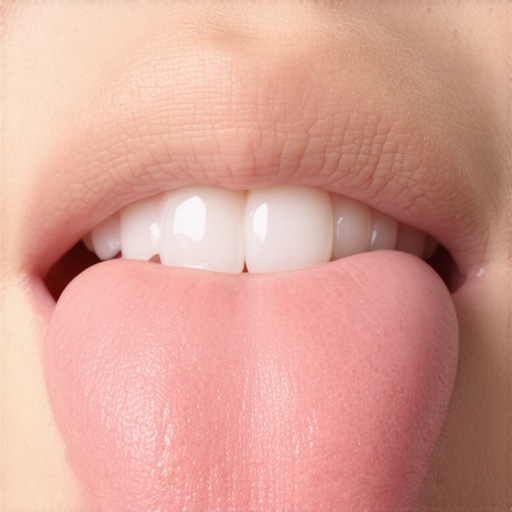
Have you ever looked in the mirror after your morning brush and thought, “Why does my tongue still look like I just finished a plate of fries?” It’s a frustrating moment that many of us have faced. You make the effort to brush, floss, and rinse—yet that stubborn white coating on your tongue refuses to budge. I’ve been there too, feeling like I was fighting a losing battle against something that just wouldn’t go away.
That Lingering White Film: More Than Just a Hygiene Challenge
It’s easy to brush off a white tongue as a superficial issue, but it can actually be a sign of underlying concerns—things you might not notice during routine cleaning. Often, people assume that a quick brush is enough to keep their mouths fresh and healthy. But the truth is, that white coating can sometimes indicate conditions like oral thrush, dehydration, or even early signs of other health issues. Interestingly, research shows that nearly 50% of persistent white tongue cases are linked to factors like poor hydration or bacterial overgrowth, which aren’t necessarily addressed by just brushing harder.
Why Am I Still Seeing White After Cleaning?
One common mistake I made early on was assuming that scrubbing my tongue vigorously would do the trick. Instead, I was just irritating the surface and pushing the problem further beneath. It’s a classic case of thinking more force equals better results—something I learned the hard way. Proper technique and understanding the real causes are crucial. If you’ve been battling this stubborn coating and wondering if your efforts are wasted, let’s explore what’s really going on and how to truly tackle it.
Have you experienced this kind of tongue issue yourself? If so, you’re not alone. The good news is, with the right approach, you can restore that clean, fresh feeling in your mouth. In the sections ahead, I’ll share practical tips based on personal experience and trusted advice, helping you get past this annoying barrier to a healthier smile. Ready to uncover the secrets behind a truly clean tongue? Let’s dive in.
Mastering Proper Tongue Brushing Technique
To tackle that stubborn white coating, start by using a soft-bristled toothbrush and a gentle, circular motion. I once accidentally scraped my tongue too hard, which caused irritation. Instead, I learned to hold the brush at a 45-degree angle and lightly brush from the back of the tongue forward, focusing on areas with more coating. This method prevents damage and efficiently removes bacteria and debris.
Incorporate Tongue Scrapers for Better Results
Tongue scrapers are like specialized tools for your mouth—think of them as tiny shovels designed to clear away the film. During a morning routine, I found gently scraping my tongue with a plastic scraper after brushing made a significant difference. Position the scraper at the back of your tongue and pull it forward with light pressure. Repeat a few times, rinsing the device afterward. This step physically lifts the coating, exposing a cleaner surface underneath.
Adjust Your Hydration and Diet
Think of your mouth like a garden; Without enough water, it cannot wash away impurities. I started drinking a glass of water immediately after waking and throughout the day, reducing the white film noticeably. Avoid excessive consumption of sugary or acidic foods, which promote bacterial growth and increase coating formation. Eating crunchy fruits and vegetables, like apples and carrots, helps naturally scrub the tongue as you chew—akin to a mini-mouthwash.
Stay Consistent and Record Progress
Changes won’t happen overnight. I kept a simple journal noting my routine and observed that within a week, my tongue looked less coated. Consistency is key; make tongue cleaning and hydration a daily habit. Over time, your mouth’s ecosystem rebalances, reducing unwanted buildup naturally.
Address Underlying Issues with Targeted Treatments
If the white coating persists despite diligent cleaning, it might signal an underlying condition, like oral thrush or dehydration. Schedule a check-up with your dentist to get personalized advice. They may recommend antifungal rinses or specific oral health products, similar to how a mechanic diagnoses and fixes a persistent engine problem. Remember, addressing root causes is essential to long-term success.
Implementing these steps demands effort but pays off with a healthier, more comfortable mouth. Improving your routine today can lead to lasting results, making your smile brighter and your breath fresher.
Many people believe that crowns are a simple fix for damaged teeth, but the reality is far more nuanced. One prevalent myth is that all dental crowns are made equally durable and long-lasting. In practice, the choice of material and technique can significantly impact longevity, with porcelain-fused-to-metal crowns often outperforming all-porcelain options in durability. For detailed guidance on selecting the best crown type, check out [Choosing the Right Crown: Expert Advice for Long-Lasting Results](https://familydentistpro.com/choosing-the-right-crown-expert-advice-for-long-lasting-results).
Maintaining a healthy smile goes beyond daily brushing and flossing; it requires the right tools and a disciplined routine. As I’ve learned through personal experience and expert insights, investing in quality equipment can significantly extend the lifespan of dental restorations like crowns and improve overall oral health. Today, I’ll share the specific tools I personally recommend to ensure your efforts deliver lasting results.
Prioritize High-Quality Electric Toothbrushes
In my practice, I’ve seen remarkable differences when patients switch from manual brushes to advanced electric models. I choose the Sonicare DiamondClean Smart because of its multiple brushing modes, pressure sensors, and built-in timers. These features help me maintain proper technique, especially around crowns and sensitive areas. An electric toothbrush ensures more consistent plaque removal, which contributes to the longevity of restorations and healthier gums.
Why I Use a Water Flosser Daily
The Waterpik Aquarius water flosser is indispensable in my routine. It effectively cleans around dental work and braces, removing debris that traditional floss might miss. Its pulsating stream reaches deep between teeth and beneath crowns, reducing plaque buildup and preventing future complications. Using a water flosser regularly can help maintain the seal of your crowns and prevent gum disease, protecting your investment in your smile.
Efficient Tongue Cleaning Devices Make a Difference
I recommend the Oral-B Tongue Cleaner for anyone serious about fresh breath and preventing coatings. It’s gentle but effective at removing bacteria-laden biofilm. Incorporating this tool into your morning routine prevents the white coating discussed earlier from returning quickly, especially when combined with proper hydration and diet adjustments.
Specialized Mouth Rinses for Long-Term Results
My choice is the peroxide-based mouthwash, used after brushing and flossing. It helps reduce bacterial load, especially in areas around crowns and restorations. Over time, consistent use contributes to healthier gums and less staining or buildup on veneers and crowns.
Technology-Assisted Monitoring Can Elevate Your Routine
Smart toothbrushes with app integration, like the Philips Sonicare ExpertClean, offer real-time feedback on your brushing technique, reminding you of neglected areas. These devices also track your performance over weeks, helping you identify habits that may compromise your restorations or oral health. As technology advances, personalized feedback becomes a crucial long-term tool to keep your smile in top shape.
Future Trends in Family Dentistry Equipment
Looking ahead, I predict that AI-powered monitoring systems will become standard, enabling dentists to remotely track patient routines and provide tailored advice. Moreover, advances in photodynamic therapy devices could soon offer at-home plaque control solutions, reducing the risk of complications around crowns. Staying updated on these developments helps you opt for equipment that not only works now but is prepared for the future.
How do I keep my tools working effectively over time?
Regular maintenance is essential—disinfect your electric toothbrush heads and water flossers according to manufacturer instructions. Replace brush heads every three months, and keep devices dry when not in use. Additionally, pairing your tools with a consistent routine, like scheduling annual professional cleanings, helps ensure your investment in advanced dental technology continues to pay off.
For those interested in maximizing their at-home routine, I encourage you to try integrating a high-end water flosser and a smart toothbrush. These tools have transformed my approach and significantly extended the durability of my dental restorations. Remember, investing in quality equipment and routine maintenance is the secret to lasting oral health—so start upgrading today and enjoy the benefits for years to come.
Over the years, I’ve learned that maintaining oral health, especially when dealing with crowns and Invisalign, brings surprises that go beyond brushing and flossing. One lightbulb moment was realizing that patience and consistency outweigh quick fixes—true health is a marathon, not a sprint. I also discovered that personal routines evolve, and investing in the right tools can turn routine care into a nurturing ritual. Lastly, understanding that each smile has a unique story reminds us to listen more closely to our body’s signals and adapt accordingly.
What I Didn’t Expect About Family Dentistry and Long-Term Smile Success
- Sometimes, the biggest breakthroughs come from simple daily habits rather than complex treatments. Small adjustments, like incorporating a tongue scraper or choosing a quality water flosser, can dramatically extend the lifespan of crowns and improve overall oral health.
- Patience is a virtue, especially when waiting for your body to adjust to Invisalign. The initial discomfort often masks a new, healthier mouth—embrace the process, and the results will follow.
- Trusting your dentist’s advice on personalized care, such as identifying potential issues early or selecting the right crown material, is crucial. I’ve learned to see my dental visits as investments in my future confidence and health.
- Beyond tools and routines, a positive mindset can turn oral health from a chore into a self-care ritual. Celebrating small victories, like less sensitivity or brighter teeth, keeps motivation high.
Tools and Resources That Elevate My Dental Routine
- Family Dentistry Trends: Staying updated with innovations from trusted sources like family dentistry trends helps me choose the latest practices and technology to maintain my smile effectively.
- Professional-Grade Equipment: An electric toothbrush like the Sonicare DiamondClean Smart consistently delivers thorough cleaning, especially around crowns, saving me trips to the dentist for complications.
- Informative Guides: The comprehensive ultimate guide to crowns has answered many personal questions, reducing anxiety and empowering my dental choices.
- Expert Content: Resources like debunking Invisalign myths help me stay informed and make smart decisions that suit my lifestyle.
Your Smile’s Future Starts Today
Remember, the journey to a healthier smile with crowns and Invisalign is uniquely yours. Every small effort compounds over time, transforming your confidence and overall well-being. Embrace the process, stay curious about new tools and techniques, and celebrate each milestone along the way. Your best smile is waiting—take the first step today.
What’s one change you’re excited to try in your dental routine? Share your thoughts and let’s inspire each other toward brighter, healthier smiles!
,