
Why Your New Crown Throbs When You Sip Ice Water

I remember the first time I took a sip of ice water after getting my new crown—imagine my surprise when a sharp throb shot through my tooth! It was a frustrating, almost shocking experience that left me questioning if I had made a mistake or if something was wrong with my dental work. That moment was a real eye-opener about the unexpected discomfort some face after crown placement.
Uncovering the Hidden Causes of Tooth Sensitivity After a Crown
The truth is, you’re not alone. Many people, even those in family dentistry, have encountered this peculiar sensitivity. The sensation of throbbing when drinking cold beverages can feel alarming, but often it’s a common response as your tooth adjusts. Early on, I made the mistake of ignoring this pain, thinking it was just temporary. That delay in seeking advice only prolonged my discomfort. According to recent studies, up to 60% of patients report sensitivity in their new crowns, especially when consuming cold or hot foods and drinks (source: American Dental Association).
Is Your New Crown Really Worth the Hype?
It’s natural to worry, especially when a seemingly simple issue like sipping ice water turns uncomfortable. But addressing this sensation is crucial for your long-term oral health and comfort. I’ll be sharing some practical insights and steps I discovered that can help you navigate this issue effectively.
Have you experienced a throbbing or shocking pain in your crown area whenever you sip cold drinks? If so, you’re not alone. Let’s explore why this happens and what you can do to find relief and prevent further problems. Stay tuned for easy-to-follow advice on making your dental crowns not just functional but also pain-free.
Implement Gentle Oral Hygiene Practices Immediately
Start by switching to a soft-bristled toothbrush to prevent irritating the sensitive areas of your crown. During my own experience, I realized that aggressive brushing worsened my discomfort, so I gently brushed twice daily using circular motions, much like polishing a delicate piece of jewelry. This approach minimizes trauma and helps the tissues around the crown adapt faster, reducing sensitivity over several days.
Use Desensitizing Dental Products for Rapid Relief
Next, incorporate toothpaste formulated for sensitive teeth. I applied a small pea-sized amount on my brush and brushed carefully, ensuring the paste contacts the crown and adjacent gums. Many over-the-counter options contain potassium nitrate or stannous fluoride, which block nerve signals and strengthen enamel. This step can quickly decrease sharp sensations caused by exposed dentin or irritated nerve endings, providing relief within a few days.
Warm Saltwater Rinses to Calm Irritation
Prepare a solution of half a teaspoon of salt in eight ounces of warm water. Gently swish the mixture around your mouth for 30 seconds, focusing on the area with the crown. I found that this rinse reduced inflammation and flushed out residual bacteria, which often exacerbate sensitivity. Repeat twice daily, especially after meals, to promote healing and lessen discomfort.
Maintain Consistent Dietary Habits
Avoid extremely hot, cold, sweet, or acidic foods that trigger pain. When I craved cold drinks, I used a straw to bypass the sensitive areas, minimizing direct contact. Similarly, sticking to lukewarm foods and avoiding sugary snacks prevents further irritation and supports healing of the surrounding tissues.
Schedule Prompt Dental Check-Ups
If the sensitivity persists beyond a week or worsens, consult your dentist promptly. They can check for micro-cracks, issues with the cement bond, or nerve exposure. During my visit, my dentist identified minor cement irritation and applied a protective coating, which drastically improved my comfort. For further reading on choosing the right restoration, visit this guide.
Many people believe that getting a dental crown is a straightforward process with guaranteed all-day comfort, but in reality, there’s more nuance involved. One widespread misunderstanding is that all crowns are created equal; however, the choice of material and the precision of placement can dramatically influence longevity and comfort. For example, ceramic crowns look natural but may be more prone to chipping if not properly selected and fitted.
Don’t fall for the myth that family dentistry is only about cleanings. Modern family dental clinics offer a comprehensive approach, including preventative care, cosmetic treatments, and even orthodontic options like Invisalign. An often overlooked detail is that early consultations with an experienced family dentist can prevent costly issues down the line. Curious about how to pick the right provider? You can find expert advice here.
Is Invisalign Truly the Best for Every Smile?
Many assume Invisalign suits all cases, but complex bite issues might require traditional braces. Still, the advanced trajectory of clear aligners now includes features like tooth-specific movement and refined attachment designs, making them more versatile. Studies in orthodontics have shown that when properly selected and monitored, Invisalign can deliver results comparable to braces, especially in mild to moderate cases. For an in-depth comparison, check out this guide.
It’s also a common mistake to overlook the importance of maintaining your oral health between visits. Regular brushing, flossing, and dental check-ups are your best defenses against decay and gum disease, which can compromise everything from crowns to implants. Remember, innovative treatments like dental implants and crowns are only as effective as your daily oral hygiene allows. Feel like you’re missing a trick? Visit this resource for expert tips.
Always question assumptions and stay informed about the latest advancements. The more you understand, the better decisions you can make for your family’s oral health. Have you ever fallen into this trap? Let me know in the comments.
Once your crowns and Invisalign treatments are in place, maintaining them effectively is essential for long-term success. The tools you choose can make all the difference in ensuring your oral health remains optimal over the years. I personally rely on a few specialized items that have proven invaluable in my routine and could do the same for you.
Investing in a High-Quality Electric Toothbrush
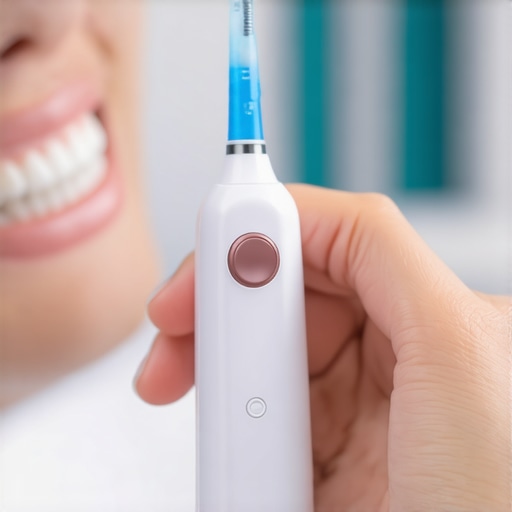
For instance, I swear by my oscillating-rotating electric toothbrush. Its pulsating brush heads provide a more thorough clean around crowns and aligners than manual brushing. The key is to select one with multiple brushing modes, especially a sensitive setting. According to dental research published in the Journal of Clinical Periodontology, electric toothbrushes significantly reduce plaque buildup, which is crucial for preserving dental restorations and preventing gum issues.
Integrate Interdental Cleaning Tools
Beyond regular flossing, I incorporate interdental brushes specifically designed for bridges and implants. They reach areas traditional floss can’t easily access, reducing the risk of decay around the margins of crowns. Personally, I use small, angled interdental brushes that gently sweep away plaque without damaging delicate restorations.
Utilize Advanced Whitening and Desensitizing Products
To maintain brightness without sensitivity, I prefer toothpaste with low abrasive levels combined with professional-grade whitening pens. These tools help me keep my smile vibrant while safeguarding my crowns from staining and wear. Always consult your dentist before choosing whitening options—some materials are more susceptible to discoloration or damage, as noted in this article.
Adopt a Regular Maintenance Schedule
Scheduled check-ups are critical. During these visits, my dentist makes a detailed assessment using digital intraoral scanners that detect micro-cracks or early signs of wear. This proactive approach allows me to address potential problems before they escalate, extending the lifespan of my restorations. Planning regular professional cleanings and exams based on your specific needs is recommended—your dentist can advise you on the ideal interval.
Use Apps and Software to Track Oral Hygiene
In our digital age, I find that using a dedicated app helps me stay consistent. These apps remind me to brush, floss, and schedule appointments. They also track my progress and provide personalized tips based on my habits. Embracing technology can be a game-changer, especially if you’re busy or tend to forget routine care.
Looking ahead, the trend is moving toward smart dental devices that connect directly to your smartphone, providing real-time feedback and guidance. According to dental innovation experts, integrating these tools into daily routines could revolutionize oral health maintenance over the next decade.
How do I keep my crowns and aligners working perfectly over time?
The secret is consistent, precise care using the right tools. Beyond brushes and floss, consider investing in an ultrasonic scaler or water flosser, which can remove plaque more effectively from around crowns and braces. Regularly replacing toothbrush heads and inspecting aligners enhances their longevity. For detailed guidance tailored to your specific restorations, visit this comprehensive resource.
If you’re ready to elevate your maintenance routine, try incorporating a water flosser into your daily regime. It’s a simple upgrade that yields impressive results, helping you maintain a healthy and beautiful smile for years to come.
 One of the most eye-opening realizations I had was how unpredictable dental healing can be from person to person, even with all the modern techniques and materials. I once assumed that if a crown was properly fitted, sensitivity was a thing of the past—only to realize that underlying factors like individual nerve sensitivity or delayed tissue adaptation could extend discomfort well beyond initial expectations. This taught me the importance of patience and personalized care. Another lesson was recognizing how small habits, like using the wrong toothbrush or neglecting interdental cleaning tools, could undermine the benefits of a well-placed crown or Invisalign treatment. These experiences underscored that maintaining oral health is an ongoing journey requiring attention to detail and proactive strategies. Lastly, I learned the hard way that trusting generic advice without consulting a specialist can lead to unnecessary frustration—your unique dental situation deserves tailored guidance, which is why choosing a reputable family dentist is so vital for long-term happiness and health. These insights have profoundly shaped my approach to oral care, emphasizing patience, personalized attention, and continuous education.