
Why That Dull Ache Under Your Crown Means Trouble

One evening, I noticed a persistent dull ache right beneath my dental crown. It wasn’t sharp or alarming at first, but as hours passed, that nagging discomfort made me realize I couldn’t ignore it anymore. It was a lightbulb moment—something wasn’t quite right, and I had to figure out what that dull ache really meant.
Why That Gentle Twinge Could Signal More Than Just Sensitivity
This experience is more common than you might think. Many people brush off a dull ache beneath a crown as minor or temporary, not realizing it could be a warning sign of underlying issues. From minor irritation to more serious problems like infection or crown failure, that subtle discomfort deserves attention. Today, I want to share how I learned to interpret these signals and why you shouldn’t dismiss them.
Is It Just a Sensitivity Spike, or Is Something More Serious?
Early on, I made the mistake of assuming the ache was just normal because my tooth was ‘getting used to’ the crown. Looking back, that was a mistake. Ignoring persistent discomfort can lead to worse consequences, like decay or structural damage. Understanding the causes behind this dull ache can significantly influence your oral health outcomes. If you’re experiencing something similar, I recommend reading about emerging family dentistry trends that focus on early detection and preventive care.
So, what exactly does that dull ache under a crown mean? The truth is, it could stem from several sources—fractures, decay, infection, or even a loose crown. Recognizing the difference can help you decide whether to schedule an appointment or wait it out. In the following sections, I’ll guide you through practical steps to identify the source of your discomfort and when to seek professional help.
Inspect Your Symptoms Carefully
When you experience a dull ache under your crown, start by noting its frequency, duration, and any triggers like hot, cold, or sweet foods. I once felt a persistent ache after eating ice cream, which turned out to be a sign of slight decay underneath the crown. Use a mirror to check for swelling or discoloration around the crown margins. This initial step helps you differentiate between minor sensitivity and a potential problem needing immediate attention.
Perform Gentle Self-Examinations
Test for Loose Crowns
Gently tap the crown with a toothbrush handle or mirror handle to see if it feels loose. A loose crown often causes discomfort similar to that dull ache. I once tested my crown this way and noticed it shifted slightly—prompting me to schedule a visit with my dentist before further damage occurred.
Identify Pain Points and Sensations
Use a clean finger or cotton swab to gently press around the crown’s edges. If you feel tenderness or notice that certain areas elicit discomfort, it could indicate gum irritation or underlying decay. Recording these sensations can guide your dentist during diagnosis.
Use Home Remedies to Manage Discomfort
If the ache is mild and no other alarming symptoms appear, rinsing with warm saltwater can reduce inflammation and bacteria. Applying a cold pack on the outside of your cheek can numb the area temporarily. Remember, these are temporary measures; they do not replace professional evaluation.
Schedule a Professional Evaluation Promptly
Even if self-assessment suggests minor issues, avoid delaying your dental appointment. Persistent dull aches often signal problems like crown decay, a loose crown, or infection. Professionals use tools like radiographs to pinpoint the exact cause—similar to a mechanic diagnosing an engine noise. For more detailed insights, visiting this guide on crowns can be helpful.
Prepare for Your Dental Visit
List out your symptoms, including duration, triggers, and any previous dental treatments. Bring along a list of medications if applicable. This preparation ensures your dentist quickly understands your situation and determines whether urgent treatment is necessary.
Follow Up on Diagnosis and Treatment Options
Once diagnosed, follow your dentist’s recommendations meticulously. Treatments may range from replacing the crown, addressing decay, or treating infections. Regular check-ups prevent small issues from escalating, maintaining your oral health. For comprehensive prevention strategies, explore top oral health tips tailored for your family.
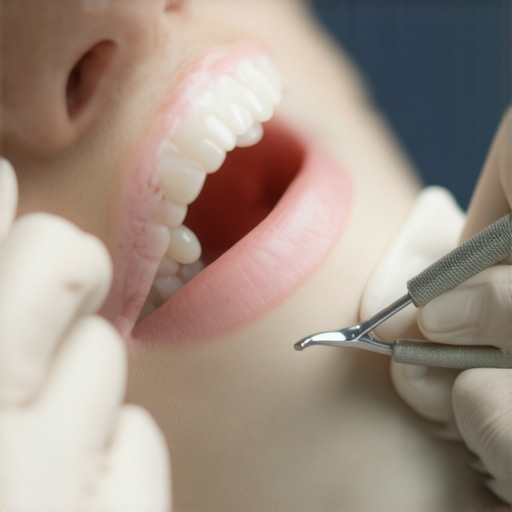 Many people believe they fully understand their dental care, but in reality, misconceptions abound—especially regarding family dentistry, crowns, and Invisalign. One widespread myth is that all dental crowns are the same quality, but in truth, choosing the right type and the proper placement technique can dramatically affect longevity and health outcomes. For example, improperly fitted crowns can lead to decay, gum irritation, or even bite problems, which is why consulting experts like those featured in this guide on crowns is crucial for making informed decisions.
Why do so many believe that Invisalign is only for teenagers or cosmetic purposes? And is that accurate?
The misconception that Invisalign is solely a cosmetic tool is pervasive, but in my experience, its benefits extend far into functional corrections for all ages. It’s true that Invisalign can straighten teeth discreetly, but it also corrects bite issues, improves oral function, and can prevent future oral health problems. According to a study published in the Journal of Clinical Orthodontics, adults undergoing Invisalign treatment reported not only aesthetic improvements but also reductions in temporomandibular joint (TMJ) discomfort and improved mastication efficiency—benefits often overlooked by the casual observer. This reveals that Invisalign’s scope is much broader than just teeth whitening or minor alignments.
Another trap many fall into is the assumption that oral health can be maintained solely through brushing and flossing. While these are vital routines, they don’t address everything, such as the impact of diet, saliva flow, and genetic predispositions. For instance, enamel erosion caused by acidic foods or drinks might be mishandled if one only focuses on brushing, ignoring the importance of diet or saliva stimulation strategies. The nuanced understanding of these factors can significantly influence the success of your oral health initiatives—more info on comprehensive tips can be found here.
Beware the oversimplification of family dentistry as only routine check-ups. A proactive approach involves delving into cutting-edge prevention methods, such as fluoride varnishes or sealants, especially for children at higher risk for cavities, or understanding advances in laser dentistry that minimize discomfort. These nuances matter because they can prevent larger, costlier issues down the line, and staying informed keeps you a step ahead in your dental journey.
The takeaway? Don’t fall for myths that limit your understanding of oral health. Be curious, ask your dentist questions, and explore credible sources to get the full picture. Whether it’s about crowns, Invisalign, or general family dentistry, the more you learn, the better your decisions will be. After all, a well-informed patient is the best partner in maintaining a healthy smile. Have you ever fallen into this trap? Let me know in the comments, and share your experiences with common misconceptions you’ve encountered.Maintaining your oral health over time requires not only good habits but also the right tools and methods that stand the test of time. One of my preferred practices is investing in a high-quality, electric toothbrush, like the Philips Sonicare DiamondClean. I personally choose this model because of its proven plaque removal efficacy, timer features that ensure thorough brushing, and gentle yet effective sonic technology that minimizes gum irritation. It’s an example of how the right equipment can elevate your daily routine from average to exceptional, providing long-term benefits for your family’s oral health.
Another crucial aspect is integrating software that helps track progress and reminders. I use an app linked to my toothbrush that monitors how often I brush and alerts me when I need to replace my brush head. This proactive approach ensures I get optimal cleaning every time, ultimately reducing the risk of decay or gum disease. Digital tools like these are becoming essential as they offer personalized insights, making preventive care more manageable.
When it comes to orthodontics, Invisalign has transformed my approach to family dental care. To keep Invisalign trays working effectively, I recommend using a specialized cleaning solution. I swear by the Invisalign Cleaning Crystals, which I use daily to dissolve plaque and maintain clarity without damaging the trays. This small addition to your routine helps prevent staining, bacterial buildup, and ensures your treatment stays on track.
Prevention also involves routine checks with advanced imaging technologies. Digital radiographs and intraoral cameras have become game changers in my practice. They provide a detailed view of hard-to-see areas, allowing early detection of issues like cavities or crown failure. For families committed to long-term oral health, investing in or requesting these diagnostic tools from your dentist ensures problems are caught early, saving time, discomfort, and costs later.
Looking ahead, I predict that artificial intelligence and machine learning will further personalize dental care. Future software may analyze imaging data to predict potential issues before they develop, akin to predictive analytics in medicine. Keeping abreast of these trends means staying ahead and making informed choices about your family’s oral health tools.
**How do I maintain my family’s dental tools and prevent issues over time?** Besides regular cleaning, replacing worn-out parts like brush heads every three months helps maintain effectiveness. For Invisalign, cleaning trays daily with the recommended crystals prevents bacterial buildup. Regular professional evaluations complement these practices, ensuring your tools and dental appliances function optimally.
If you’re serious about elevating your at-home dental routine, I highly recommend trying out a sonic toothbrush combined with app-connected tracking. It’s a simple, effective step towards long-term oral health. For comprehensive tips on maintaining your smile, visit our top oral health tips page and discover how advanced tools can work for your family’s unique needs.
Lessons I Wish I Learned Sooner about Family Dentistry and Crowns
One of the biggest lightbulb moments I had was realizing that dental issues are often silent alarms. I used to dismiss lingering discomfort, thinking it was just part of aging or normal wear. Now I understand that early signs can save you from costly repairs and pain down the line—like catching a small crack before it leads to a full crown replacement. Trust me, paying attention to these subtle cues and acting promptly can make all the difference in maintaining a healthy, confident smile.
Tools and Tips I Depend On for Long-Lasting Results
Over the years, I’ve curated a set of trusted resources that have transformed my approach to oral health. A high-quality electric toothbrush has become my daily ally—not just for plaque removal but for your comfort as well. I personally favor models like the Philips Sonicare DiamondClean because of their proven effectiveness and smart features. Additionally, I rely on digital radiographs and intraoral cameras, which provide detailed views that catch issues early. Combining these tools with authoritative information from sources like top oral health tips helps me stay proactive and confident in my dental care routine.
Embrace the Power of Knowledge and Action for Your Smile
The most empowering step you can take right now is to stay curious and engaged in your family’s oral health journey. The future will likely bring innovations like AI-driven diagnostics and personalized treatment plans, making preventive care more precise than ever. But no matter how advanced technology gets, the foundation remains—regular check-ups, attentive self-care, and asking your dentist the right questions. Your smile is worth the investment, so seize every opportunity to learn and improve. How will you take the next step toward a healthier, brighter family smile today? Let me know below and share your experiences with managing dental challenges effectively.