
How to Tell if Your Child’s Permanent Teeth are Crowding
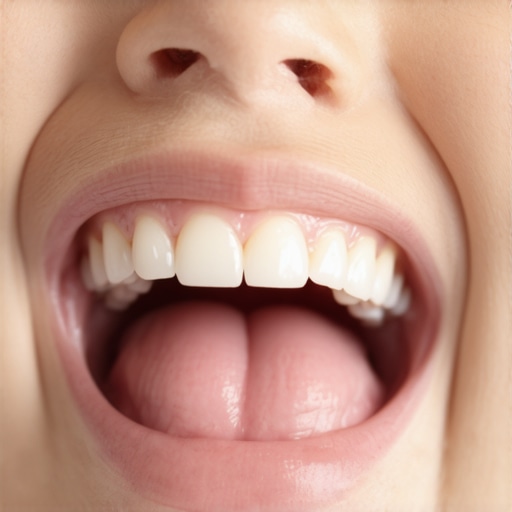
It was a typical Saturday morning when I finally noticed something off during our usual family photo session. My child’s smile looked a little squished, a little uneven. At first, I dismissed it as just a phase or maybe the way her teeth were shifting. But as the days went on, I realized—this might be a sign of something more serious: crowded permanent teeth. That lightbulb moment hit me hard. I remember thinking, “Have I been overlooking the signs?” Ever felt that creeping worry that your child’s evolving smile might hide dental issues under their cute, G-rated grin? If yes, you’re not alone. As a parent, I understand how confusing and frustrating it can be to tell if your child’s teeth are just adjusting or if there’s a real problem brewing.
Why Spotting Crowded Teeth Early Matters More Than You Think
Knowing whether your child’s teeth are crowding isn’t just about aesthetics. It’s about preventing more complex dental issues down the line. Crowded teeth can lead to misaligned bites, uneven wear, gum disease, and even difficulties with speech or chewing. When I first delved into this topic, I made the mistake of ignoring early warning signs—thinking my child’s teeth would sort themselves out. Turns out, that was a costly oversight. Early intervention can make all the difference, save money, and spare your little one from uncomfortable dental procedures later on. According to the American Association of Orthodontists, approximately 70% of kids will need some form of orthodontic treatment—so catching issues early can save you a lot of future headaches.
Is It Really Worth the Hype to Check for Crowding?
I admit, I used to dismiss minor irregularities as normal growing pains until I learned how overlooked early signs can lead to more serious issues. A mistake I made early on was waiting too long to consult a professional, thinking some shifting was just temporary. Ignoring these signs can lead to more complicated, costly treatments down the line. If you’re feeling skeptical about the urgency, just consider the benefits of early diagnosis and intervention. It’s like fixings a small leak before it becomes a flood. Want to learn how to spot those sneaky signs? Keep reading. We’ll cover practical tips and when to see a specialist, so you can confidently keep your child’s smile healthy and bright. If you’re unsure whether your child’s teeth are crowded, or if you just want to be proactive, don’t hesitate to reach out through our contact page to get personalized advice.
Assess Your Child’S Oral Situation
Begin by observing signs of crowding, such as overlapping teeth, difficulty chewing, or misaligned bites. Conduct a gentle visual inspection in natural light, noting any irregular spacing or protrusions. Remember, early detection is key to preventing more significant issues later on.
Schedule a Professional Dental Evaluation
Next, book an appointment with a family dentist experienced in orthodontics. During the visit, the dentist will perform a thorough examination, including dental X-rays, to assess the severity of crowding and identify underlying causes like jaw size or misaligned growth. For trusted guidance, consider exploring how to choose the right family dentistry.
Implement Early Orthodontic Interventions
Use Space Maintainers or Expanders
If detected early, appliances such as palate expanders can widen the jaw and create space for permanent teeth. I remember assisting my nephew with a palate expander; after a few weeks, we noticed improved breathability and alignment. Regular follow-ups ensure adjustments are effective and comfortable.
Explore Invisalign for Children
For minor to moderate crowding, Invisalign offers a discreet solution that can be tailored to children’s needs. Unlike traditional braces, Invisalign trays can be removed for eating and cleaning, making oral hygiene easier. Check out how Invisalign transforms family dentistry for more insights.
Maintain Consistent Oral Hygiene
Ensuring your child brushes and flosses properly prevents plaque buildup around crowded areas, which can cause decay or gum disease. Use a soft-bristled toothbrush and consider tools like interdental brushes for hard-to-reach spots. Regular cleanings can be scheduled through your family dentist, who can advise on specific oral hygiene strategies.
Monitor Growth and Adjust Treatments
Growth patterns vary, so ongoing monitoring is essential. Dentists may recommend periodic check-ups to evaluate progress or make modifications to appliances. Staying proactive can prevent the need for more invasive procedures later.
Avoid Common Pitfalls
Don’t wait too long to seek treatment. Ignoring early signs of crowding can lead to complex issues requiring costly interventions. If you notice your child’s teeth are misaligned, act quickly by consulting a professional. For comprehensive guidance, you can read the ultimate guide to crowns for a healthier smile.
Learn About Modern Alternatives
Beyond braces and Invisalign, advances like lingual braces or temporary anchorage devices (TADs) may offer solutions tailored to specific cases. Discuss these options with your dentist to choose the most effective and comfortable approach.
Implementing these steps ensures your child’s dental development heads in the right direction, with a focus on prevention, early intervention, and modern technology.
Many people believe that modern dental solutions like crowns and Invisalign are quick fixes or purely cosmetic, but this oversimplification overlooks critical nuances. For instance, a widespread myth is that all crowns are equally durable, leading some to choose cheaper options without understanding the importance of material quality and expert placement—which can drastically affect longevity. In reality, consulting with a specialist referenced in how to choose the right crown ensures your restoration not only looks natural but stands the test of time.
Another common misconception involves family dentistry as a routine, age-based service: many assume kids’ and adults’ dental needs are entirely separate. However, the expertise in comprehensive family dental care means that early intervention can prevent future complications like misalignment or decay, especially when considering advanced approaches like Invisalign. As discussed in Invisalign versus braces, choosing the right solution depends on detailed individual assessment—even at a young age.
Some mistakenly think that Invisalign is only suitable for minor corrections, but the reality is more nuanced. For complex cases, Invisalign can be combined with other orthodontic techniques to achieve optimal results. A pivotal question for advanced practitioners is: ‘How does the biomechanics of Invisalign influence root positioning and overall occlusion?’ Recent research indicates that improperly planned Invisalign treatments can lead to root resorption or bite issues if not carefully managed, as detailed in advanced Invisalign considerations. Always seek a specialist with extensive experience to avoid these pitfalls.
Beware the trap of neglecting regular check-ups, under the false belief that dental restorations or orthodontics are one-and-done. Periodic evaluations are vital to monitor ongoing oral health, especially for those with crowns or aligners, to detect early signs of wear, decay, or misalignment. Remember, even the best-crafted crowns or Invisalign setups require professional oversight to maintain their benefits over years.
Make sure not to overlook the importance of personalized treatment plans. Jumping into a dental procedure without a comprehensive examination—assuming ‘one size fits all’—can cause more harm than good. For tailored advice, reach out through our contact page. As you can see, understanding these complex nuances empowers you to make informed decisions and truly care for your dental health. Have you ever fallen into this trap? Let me know in the comments.
Maintaining dental restorations like crowns or ensuring the smooth functioning of orthodontic appliances such as Invisalign requires more than just routine brushing. Having the right tools and adopting strategic habits can extend the lifespan of these investments and keep your smile bright and healthy over the years.
Invest in High-Quality Oral Hygiene Tools
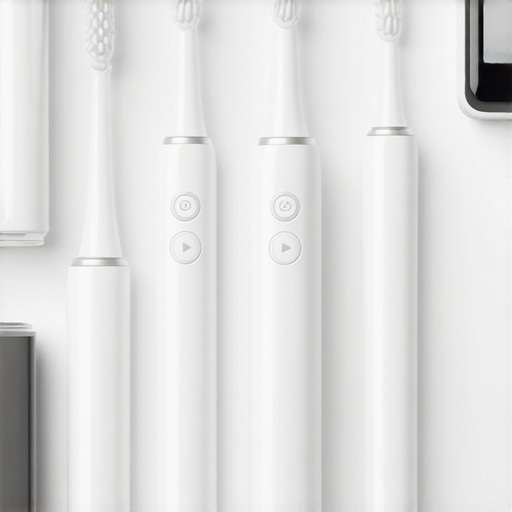
I personally swear by electric toothbrushes with oscillating-rotating heads, like the Sonicare DiamondClean. Their superior plaque removal capability is backed by clinical evidence and makes daily cleaning more efficient—especially around crowns or brackets, where manual brushing often misses spots. For interdental cleaning, I recommend interdental brushes, such as the TePe brushes, which easily access tight spaces and prevent plaque buildup that can lead to decay or gum issues around crowns and aligners. Consistent use of these tools can prevent discoloration, staining, and caries, especially as many restorations and aligner attachments can trap plaque if not cleaned adequately.
Modern Software for Monitoring Your Progress
In my practice, I rely on digital intraoral scanners, like the iTero Element, to assess dental progress with precision. These tools help detect early signs of wear or marginal breakdown on crowns and provide real-time feedback, eliminating the guesswork inherent in traditional impressions. As technology advances, integrating digital monitoring into your routine allows you to catch issues early and consult with your dentist proactively.
The Power of Routine Maintenance
Establishing a regular schedule of professional cleanings—every six months or as recommended—ensures that any potential problems with crowns, fillings, or aligners are caught before they escalate. During these visits, ask your dentist about the condition of your restorations and any signs of edge breakdown, staining, or fit issues. If you’re using Invisalign, maintaining consistent check-ins is vital; it allows adjustments to be made before misalignment or discomfort arises. Remember, a proactive approach significantly reduces long-term repair costs and preserves your oral health.
Scaling and Technology for Long-Term Success
In the future, I predict that advancements like AI-driven monitoring systems and 3D printing will revolutionize maintenance routines. Imagine systems that send real-time alerts about wear or detect early cavity formation around crowns through smart sensors. Staying informed about these innovations can help you and your dental team stay ahead of issues, ensuring your dental investments last a lifetime.
How do I keep my crowns, Invisalign, and family dentistry tools working effectively over time?
Start with investing in quality tools tailored to your needs—electric toothbrushes, interdental brushes, and digital scanners. Incorporate regular professional evaluations into your routine to identify early signs of wear or decay. Maintain disciplined cleaning habits, especially around restorations and aligners, and stay updated on emerging technologies that can aid in long-term maintenance. Remember, a little extra effort today preserves your smile’s health and reduces costly repairs tomorrow. For personalized advice on best practices, don’t hesitate to reach out to your family dentist.
The Triumph of Early Action: How Small Signs Turned Our Family’s Smile Around
One of the most valuable lessons I learned is that noticing subtle changes in my child’s smile early can prevent future discomfort and costly treatments. A tiny crooked tooth or difficulty biting might seem insignificant, but these are often the first whispers of a larger issue. Recognizing and acting on these signs transformed my approach from reactive to proactive, reaffirming that vigilance and prompt professional consultation are key to maintaining lifelong oral health.
Tools That Changed My Perspective on Restorations and Invisalign
Over the years, I discovered that quality tools and reputable sources are indispensable. The Sonicare DiamondClean electric toothbrush, trusted for its superior plaque removal, helped extend the life of my crowns. Digital intraoral scanners like the iTero allow for precise monitoring, enabling timely interventions. Educating myself through trusted websites and books has empowered me to make informed choices that benefit my family’s dental journeys.
Harnessing Emotions to Inspire Better Dental Care
It’s easy to feel overwhelmed by the complexities of crowns, family dentistry, and Invisalign. But I’ve found that embracing a heartfelt commitment to my family’s well-being fuels lasting habits. Visualizing confident smiles and healthy bites motivates me to stay diligent. Remember, your proactive steps today pave the way for happier, healthier tomorrows—because nothing is more rewarding than a family’s bright, genuine smiles.