
Why Your Invisalign Trays Smell Sour After Just One Night
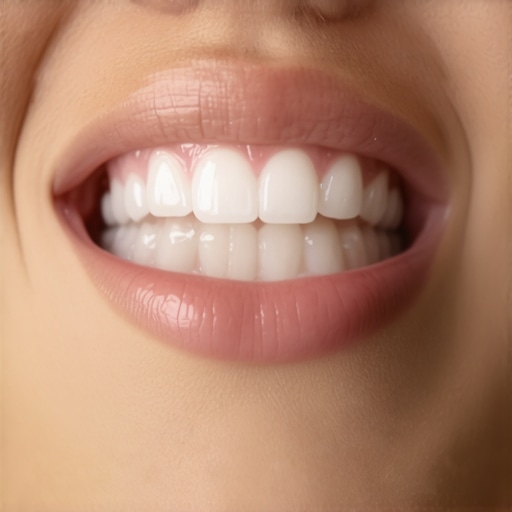
There was a night I’ll never forget—waking up with my mouth smelling like a forgotten cheese platter, and realizing my Invisalign trays had turned into little sour-smelling monsters overnight. It hit me hard how quickly something as seemingly simple as trays can turn into a source of embarrassment, especially when you’re diligently trying to improve your smile. At first, I thought maybe I was neglecting my cleaning routine, but it turned out there was a lot more to this sour smell mystery.
Uncovering the Hidden Reasons Behind That Unexpected Odor
Many Invisalign wearers face this baffling issue: after just a single night, their trays emit a sour, unpleasant odor. It’s enough to make you question if your mouth is suddenly taking a nosedive into bad hygiene territory. But more often than not, it’s not about neglect—it’s about the environment your trays are incubating while you sleep. Moisture, bacteria, and trapped saliva can create the perfect breeding ground for unpleasant smells. And shockingly, according to the American Dental Association, bacteria can multiply rapidly in warm, moist environments, contributing to halitosis and odor issues (source: ADA).
So, what causes this sour smell to emerge so quickly? Well, it’s a combination of factors, including inadequate cleaning, the buildup of bacteria, and even the foods and drinks you consume before bed. Early on, I made the mistake of thinking a quick rinse was enough—turns out, that’s just scratching the surface. Proper cleaning and maintenance are essential to keep your trays fresh and odor-free.
Are you tired of waking up to an unpleasant surprise every morning? Do you find yourself hesitant to wear your trays because of the smell? You’re not alone. Many people overlook the importance of thorough cleaning routines with Invisalign, but with a few changes, you can keep your trays—and your breath—fresh.
In the following sections, I’ll walk you through practical, proven steps to banish that sour smell once and for all, so you can start your mornings confident and with a smile that’s truly bright.
Master the Art of Cleaning Your Invisalign Trays
Remove and Rinse Daily
Every morning and night, carefully take out your trays and rinse them thoroughly with lukewarm water. During my own experience, I once skipped this step during a busy week; the trays started smelling sour within days. Rinsing helps wash away saliva and debris that harbor bacteria, preventing odor buildup.
Think of it like rinsing dishes after a meal—avoiding bacteria buildup is key to keeping everything fresh.
Use a Soft Brush and Mild Soap
Gently brush your trays with a soft-bristled toothbrush combined with a non-abrasive, mild fragrance-free soap. I once tried just rinsing with water, but I noticed a persistent sour smell after a few nights. Switching to gentle brushing removed plaque and biofilm that cause unpleasant odors. Avoid toothpaste, which can be too abrasive and scratch the plastic.
Imagine cleaning a delicate glass—you need soft tools and gentle techniques to avoid damage.
Soak in an Effective Cleaning Solution
Once a day, soak your trays in a specially formulated Invisalign cleaner or a mixture of vinegar and water. I experimented with vinegar soak, and after 15 minutes, my trays smelled fresh again. For convenience and proven results, using products like Invisalign cleaning crystals is recommended. Avoid harsh chemicals like bleach, which can degrade the material and cause discoloration.
Think of this step as giving your trays a spa day—deep cleaning rejuvenates freshness and eliminates stubborn odors.
Maintain Oral Hygiene Rigorously
Brush and Floss Before Putting Invisalign Back
Always brush your teeth thoroughly before reinserting your trays. I learned this the hard way when I skipped brushing one night; food leftovers caused a sour smell in my trays. Proper oral hygiene prevents bacteria from transferring onto the trays and multiplying overnight.
It’s like cleaning your shoes before wearing them—keeps everything clean and odor-free.
Avoid Eating or Drinking with Trays In
Remove trays during meals and only drink water while wearing them. Consuming foods or beverages before cleaning can coat your trays with residues that promote bacterial growth and bad odors. I used to snack with trays in place, leading to a foul smell in the morning. Removing trays before eating reduces the risk significantly.
Think of this as protecting your investment—your smile depends on it.
Store Trays Properly
Use the Case and Keep it Clean
Always place your trays in their protective case when not in use and clean the case weekly with soap and water. I once left my trays out on the bathroom counter; mold quickly formed, and the trays developed a sour smell. Proper storage prevents contamination and mold growth. It’s like storing precious jewelry in a safe—clean, dry, and secure.
Limit Exposure to Air and Dust
Keep trays away from dust, pet hair, and airborne bacteria by sealing them in the case. This simple step preserves their freshness and prevents odors from developing unexpectedly.
Monitor and Replace as Needed
Watch for Signs of Wear and Odor
If your trays begin to smell despite rigorous cleaning, it might be time to replace them. Trays can warp or accumulate residues that are difficult to clean completely. My own trays started to smell sour after six months, prompting a quick visit to my dentist for a replacement—improved hygiene and fresh trays restored my confidence.
Regular check-ins ensure your trays stay odor-free and effective.
When it comes to maintaining oral health, many assume that routine brushing and flossing are all that’s needed. However, even seasoned patients often overlook the subtle complexities that can lead to long-term issues. For instance, a common misconception is that all dental crowns are the same, but the choice of material can significantly impact durability and aesthetics. Similarly, many believe Invisalign is only for teens or mild cases, yet advancements now make it suitable for complex alignments, especially when combined with proper diagnostics—an area explored in our detailed guide on [invisalign vs braces](https://familydentistpro.com/invisalign-vs-braces-which-solution-fits-your-lifestyle). A surprising trap is underestimating the importance of personalized treatment plans; every patient’s mouth is unique, and cookie-cutter approaches often fall short. For example, neglecting to address the early signs of gum recession can exacerbate uneven tooth wear, eventually compromising restorations like crowns or implants. This is where understanding the nuanced role of periodontal health becomes crucial, as highlighted in [the ultimate guide to crowns](https://familydentistpro.com/the-ultimate-guide-to-crowns-for-a-healthier-smile). Advanced mistakes also involve misjudging the longevity of dental restorations. Many assume that once placed, crowns or bridges will last indefinitely, but material quality and patient habits dramatically influence lifespan. In fact, research shows that ceramic crowns, while aesthetically superior, may require replacement after 10-15 years if not properly maintained, especially for patients with bruxism or acid erosion. Another misunderstood aspect is the impact of diet on oral health; patients often focus solely on brushing, overlooking how frequent intake of sugary or acidic foods accelerates enamel wear and decay, even with excellent hygiene practices. For a deeper dive into dietary influences, see [top oral health tips for your family](https://familydentistpro.com/top-oral-health-tips-for-your-familys-bright-smiles). Now, for the more technically inclined, a question worth pondering is: How does the choice between different crown materials affect your long-term oral health and restoration success? It turns out that selecting the right material isn’t just about looks—biocompatibility and resistance to discoloration are critical, as detailed in [why crowns are a game-changer](https://familydentistpro.com/why-crowns-are-a-game-changer-in-restorative-dentistry). Failing to recognize these nuanced factors can lead to costly revisions and even health risks. Remember, informed decisions stem from understanding these hidden layers. Are you guilty of simplifying complex dental decisions? Let me know in the comments! For comprehensive insights into family dentistry strategies that go beyond the basics, visit [family dentistry trends](https://familydentistpro.com/family-dentistry-trends-improving-oral-health-for-all-ages). Proper knowledge empowers you to advocate for your oral health and avoid common pitfalls that many overlook.
Investing in Quality Equipment and Software
Maintaining excellent oral health over the long term requires more than just good habits; it hinges on using the right tools. Personally, I rely on a combination of advanced oral hygiene products and dental-friendly technology to keep my family’s smiles in top shape. One indispensable item I recommend is a **sonic electric toothbrush**, such as the Philips Sonicare DiamondClean. Its high-frequency vibrations effectively remove plaque, especially in hard-to-reach areas, which manual brushing often misses, reducing the risk of cavities and gum disease over time.
Another critical tool is a **water flosser**, like the Waterpik Aquarius. Especially beneficial for those with dental restorations like crowns or bridges, it effortlessly cleans around brackets and under bridges, which traditional floss can struggle with. Regular use of a water flosser has been shown to decrease gingival inflammation and improve overall periodontal health consistently.
In addition to physical tools, I’ve found that using **dental tracking apps** helps maintain discipline and stay aware of oral health milestones. Apps like Toothpic or SmileGuide enable quick photo assessments, allowing you to monitor changes and communicate directly with your dentist. This proactive approach ensures issues are caught early, preventing costly repairs down the line.
Choosing Software and Monitoring Systems
For families with orthodontic treatments like Invisalign, I endorse software that offers detailed treatment planning and progress tracking. Platforms such as the Invisalign Doctor Site or the new AI-powered visualization tools enable patients to visualize their expected outcomes and understand treatment timelines better. This transparency motivates patients to adhere to the prescribed routines, including aligner wear and cleaning protocols, which are vital for long-term success.
Looking ahead, the trend in dental technology points toward integrating AI with home monitoring systems. Imagine smart trays equipped with sensors that alert you to plaque buildup or tray misfit. Though still in experimental phases, such innovations promise to make maintenance more intuitive and less time-consuming.
How do I maintain my tools over time?
Effective maintenance of your dental equipment involves regular cleaning and inspection. Sonic toothbrush heads should be replaced every three months to prevent bacterial buildup, and water flossers need weekly descaling with vinegar or manufacturer-recommended solutions to keep their output consistent. Software platforms also require updates to incorporate the latest features and security patches, ensuring your data remains protected.
Stay alert for signs of wear or malfunction—like reduced water pressure or irregular vibrations—and address these promptly. For detailed guidance on cleaning and maintaining your dental tools, visit our privacy policy page or connect with your dentist for personalized advice.
Incorporating reliable tools into your daily routine creates a resilient barrier against long-term oral health issues. I encourage you to try the Waterpik Aquarius, especially if you have crowns or braces—it’s a game-changer in maintaining hygiene effectively and comfortably. The future of dental care is heading toward smarter, more integrated solutions that empower patients to manage their oral health proactively and confidently.
**Remember**, your tools are only as good as your maintenance. Regularly cleaning, inspecting, and upgrading your equipment ensures you sustain the benefits for years to come. Want to enhance your family’s dental routine with cutting-edge technology? Explore options today that suit your needs and make long-term oral health a hassle-free journey!
Throughout my journey with Invisalign and family dentistry, I’ve uncovered that the biggest lessons often come from unexpected sources—like tiny details in daily habits or overlooked accessories. These insights have transformed my approach, showing me that true oral health is a delicate dance between science, routine, and intuition.
3 Lessons That Changed My Dental Perspective
- Patience Outperforms Speed: Rushing to fix a quick flaw can backfire, especially with complex solutions like crowns or Invisalign. Taking time to understand your body’s signals and your treatment plan leads to more sustainable results.
- Personalized Care Matters: Generic advice isn’t enough. Every smile is unique, and customizing your routine—whether it’s choosing the right cleaning tools or treatment options—makes a significant difference.
- Small Consistencies Build Confidence: Regular brushing, diligent flossing, and proper storage of trays might seem trivial, but these small steps forge a foundation for long-term happiness with your smile.
Tools and Resources I Trust for Family Dental Success
- Philips Sonicare DiamondClean: Its superior cleaning action makes daily routines effortless and more effective. I personally notice fresher breath and healthier gums with consistent use.
- Waterpik Aquarius: Perfect for keeping around crowns and braces clean—its water pressure reaches places traditional floss can’t, saving me time and discomfort.
- Invisalign Doctor Site: I rely on this platform for clear treatment planning and progress tracking, making my orthodontic journey transparent and less stressful.
- Oral Health Tips from FamilyDentistPro: Their comprehensive guides keep me informed about new trends and best practices, helping me make smarter decisions about my family’s oral health.
Seize the Power of a Healthy Smile Today
Your journey to better oral health is uniquely yours, filled with lessons and tools that empower you every step of the way. Remember, the choices you make today—be it in daily hygiene, choosing the right equipment, or seeking personalized advice—shape your smile’s future. Don’t wait for problems to appear; take action now and embrace the confidence that comes with a healthier, brighter smile.
What small habit have you recently changed that made a big difference in your oral health? Share your stories below—I’d love to hear from you!