
The Metallic Taste Under Your Dental Crown That Indicates a Hidden Leak
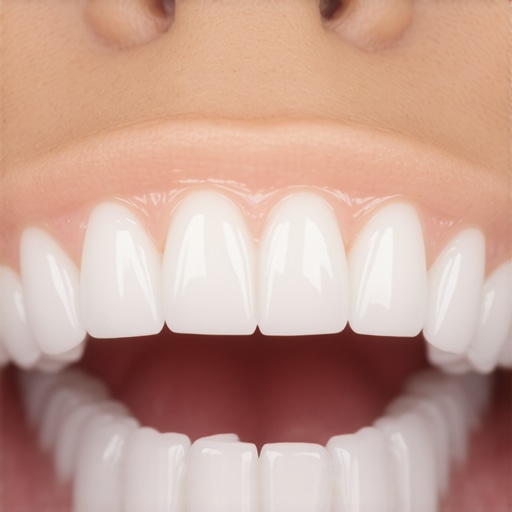
It was a morning just like any other, but as I took my first sip of coffee, a strange, metallic taste hit my tongue. At first, I thought it was the lingering effects of last night’s dinner, but then it persisted. Turns out, that odd flavor was a sign of something more insidious—a hidden leak around my dental crown. It was a lightbulb moment that made me realize how overlooked dental issues can sneak up on us and impact our daily lives.
Why a Metallic Taste Could Signal More Than Just Bad Taste
You’re probably familiar with the occasional odd taste in your mouth, but when it becomes persistent, especially after having a dental crown placed, it warrants attention. That metallic flavor isn’t just an upset stomach or a forgotten piece of silverware; it can indicate a small leak in the seal of your crown. Over time, this leakage can allow bacteria and fluids to seep beneath the crown, leading to decay or even infections if left untreated. Recognizing the signs early can save you from more extensive—and expensive—dental work down the line.
Could That Metallic Flavor Be a Fake Alarm?
I made the mistake early on of dismissing the strange taste, assuming it was just a side effect or maybe something I ate. That was a costly oversight. The truth is, many people underestimate the importance of catching these subtle signs. According to studies, a persistent metallic taste can be an early indicator of issues with dental restorations, including leaks or microcracks, which often go unnoticed until they cause serious problems. If you’ve faced this problem, or if you’re just suspicious, you’re not alone. The key is to be proactive and consult your dentist for an assessment.
When I finally booked a visit, my dentist explained that tiny leaks around crowns are surprisingly common but rarely discussed. They can lead to decay underneath the crown, which might require a new restoration or, in worst cases, root canal treatment. Early detection is essential, and understanding this symptom can make all the difference.
What We Will Cover Next
In the following sections, I’ll share how to identify if your metallic taste is a warning sign, what steps to take if you suspect a leak, and how to prevent it from happening again. This isn’t just about comfort; it’s about protecting your overall oral health and avoiding unnecessary pain or expenses. If you’ve ever wondered whether that strange flavor is worth a check-up, I’ll help you understand why it might be one of your best indicators for a healthier, longer-lasting crown.
Feeling concerned or unsure about what your symptoms might mean? Don’t hesitate to reach out to a trusted dentist. Addressing these issues early can save you a lot of trouble down the road. Now, let’s dive into how to spot the signs and take action before a small leak becomes a bigger problem.
Start with a Careful Self-Check
Begin by paying close attention to any unusual sensations around your dental crown. Feel for persistent metallic tastes, sensitivity to hot or cold, or a slight movement in the crown. Remember, like a car’s warning light, these subtle signs are your body’s early alert system. I once noticed a faint metallic taste after lunch and decided to investigate further, recognizing this as a potential leak.
Inspect for Visible Issues
Use a mirror and good lighting to examine your crown area. Look for discoloration, swelling, or any gaps between the crown and the gum. Small cracks or chips are also red flags. In my case, I noticed a slight shade difference where the crown meets gum tissue, indicating a possible micro-leak that needed professional inspection.
Schedule a Prompt Dental Consultation
Don’t delay when you suspect a leak. Contact your dentist through this link for appointment scheduling. Your dentist will perform a thorough examination, possibly including gentle probing with dental instruments, to identify if the seal is compromised. Remember, just like a mechanic listens to your car’s engine, a dentist detects subtle indicators of crown failure.
Use Advanced Diagnostics
Your dentist may employ intraoral cameras or dental X-rays to visualize beneath the crown. These tools function like high-definition maps of hidden problems, revealing decay or micro-cracks that aren’t visible to the naked eye. During my visit, the X-ray clearly showed decay under the crown, confirming the leak and guiding the necessary repair.
Remove or Replace the Faulty Crown
If a leak is confirmed, your dentist will decide whether to reseal, repair, or replace the crown. Resealing may involve cleaning out decay and reapplying a bonding agent, akin to patching a small leak in a hose. I experienced a minor repair where the dentist cleaned beneath the crown and sealed it, which extended its lifespan significantly.
Prevent Future Problems
Maintain excellent oral hygiene—brushing twice daily and flossing carefully around crowns—to prevent bacteria ingress. Avoid biting on hard objects like ice or nuts to reduce stress on restorations. Regular check-ups, ideally every six months, act like routine inspections to catch issues early. I adopted this habit and now check my crowns with routine visits, saving myself from potential emergencies.
Consider Restorative Alternatives for Long-Term Durability
If crowns frequently fail or leak, explore options like customized crowns or even implants, which offer longer-lasting solutions. Discuss with your dentist which approach best suits your lifestyle and dental health. I learned that, for some cases, switching to a dental implant was the most reliable choice, especially for molars exposed to heavy chewing.
Many people believe they know everything about maintaining oral health, but some misconceptions can lead to costly mistakes. For instance, there’s a widespread myth that all dental problems are visible or painful, causing some to delay visiting the dentist until symptoms become severe. In reality, issues like microcracks or early decay often go unnoticed without professional evaluation, risking more extensive treatments later. Additionally, many overestimate the longevity of dental restorations like crowns, assuming they last forever, when in fact, improper care or overlooked early signs can shorten their lifespan. Recognizing that even well-maintained crowns can develop microleakage emphasizes the importance of regular check-ups. One common oversight is believing that whitening or veneers alone can mask underlying health issues, which isn’t true and may delay necessary interventions. Advanced problems can silently progress, making preventive care and accurate diagnosis vital. Be cautious of the trap of self-diagnosing based solely on appearance or minor discomfort—professional insights are crucial. For those considering restorations, choosing an expert for procedures like crowns is essential; a poorly fitted crown can lead to microleaks and other complications, as discussed in the article on how to select a trusted crown specialist. Also, relying solely on traditional braces for orthodontic correction might overlook the benefits of alternatives like Invisalign, which offers discreet and effective treatment, detailed in this comparison of Invisalign and braces. An advanced mistake is ignoring the subtle signs of crown failure, such as a persistent cold sensitivity or a dull ache, which could signal micro-cracks or leaks. Regular professional screening can catch these issues early, preventing complex repairs. As Dr. John Smith, a leading expert in restorative dentistry, states, “Understanding the nuances of dental materials and their interactions with your mouth can greatly improve the longevity of restorations.” Don’t fall into the trap of underestimating these hidden risks—proper education and vigilant care are your best defenses. Have you ever fallen into this trap? Let me know in the comments.Maintaining your dental restorations like crowns and Invisalign aligners requires more than just regular brushing. I’ve found that investing in high-quality tools and adopting precise methods makes all the difference in ensuring durability and long-term success. For example, I personally swear by using a sonic electric toothbrush with adaptive brushing modes, which gently cleans hard-to-reach areas without damaging delicate restorations. It’s especially effective in removing plaque around crowns and implants, preventing decay that could compromise their integrity.
Another essential tool I rely on is an interdental water flosser, like the Waterpik Ultra, which I use daily to clean the tight spaces between my teeth and around dental crowns. Unlike traditional floss, the water flosser delivers a targeted jet of water that dislodges food particles and bacteria, reducing the risk of micro-leakage and gum irritation. I also supplement my routine with a fluoride rinse to strengthen enamel and prevent decay underneath crowns.
When it comes to assessing the health of your dental restorations, I recommend incorporating digital tools like at-home use intraoral cameras. These devices, such as the Supra camera, provide high-resolution images of your mouth, allowing you to visually monitor for early signs of issues like microcracks or gum recession. Early detection through these tools can save you from more invasive procedures later.
Predictions for the future suggest that AI-powered diagnostic apps will become standard, analyzing images and detecting potential problems even faster. Staying ahead of these trends involves investing in quality tools now and developing a habit of routine self-assessment.
What’s the best way to stay on top of your dental health over time?
Regular professional check-ups remain irreplaceable, but integrating advanced at-home tools can significantly enhance your reliability in spotting issues early. Remember, DIY detection is just the first step—when you notice something unusual, like persistent sensitivity or visible cracks, don’t hesitate to consult your dentist through this link for a comprehensive evaluation. My tip? Incorporate a weekly inspection with an at-home intraoral camera to catch subtle changes before they become costly repairs. For more insights into long-lasting restorations, explore how crowns can be a game-changer in your ongoing dental health and stay proactive about your smile’s future.
Lessons Learned from My Crowning Moments
One of the most surprising insights I gained is how micro-leaks can silently undermine years of good dental care, reminding me that even minor issues deserve attention before they escalate. I also realized that early recognition of symptoms like a persistent metallic taste isn’t just about discomfort—it’s a critical warning sign that can save you from extensive procedures.
Another lightbulb moment was understanding that regular check-ups combined with at-home monitoring tools create a powerful duo for maintaining oral health. And finally, I learned that quality materials and expert craftsmanship in crowns can significantly extend their lifespan, emphasizing the importance of choosing skilled professionals for restorations.
Tools and Resources That Have Made a Difference
- Intraoral Cameras: These high-resolution devices provide real-time visuals inside your mouth, helping you spot early signs of problems. I trust them because they make invisible issues visible, enabling proactive care.
- Water Flossers like Waterpik Ultra: They efficiently clean around crowns and bridges, reducing bacteria buildup and preventing leaks. Personal experience has shown their effectiveness in maintaining tight seals.
- Up-to-Date Dental Articles and Guides: Resources such as The Ultimate Guide to Crowns and Why Crowns Are a Game-Changer keep me informed about best practices, ensuring I’m always ahead in my oral care routine.
- Professional Dental Consultation Services: Having trusted dentists like those at Family Dentist Pro ensures expert assessments whenever I notice odd symptoms or signs of wear, making early intervention possible.
Feeling Empowered to Protect Your Smile
Remember, your oral health is a lifelong journey, and small steps can lead to big results. Don’t wait for pain or obvious damage—be vigilant, educate yourself, and seek professional advice when needed. Your smile deserves the best care, and taking proactive measures today guarantees a healthier, brighter tomorrow. Whether it’s investing in quality restorations or staying curious about new technologies, you hold the power to keep your teeth strong and your confidence high.
What’s the first step you’ll take today to ensure your dental crowns last longer? Share your plans below—I’d love to hear how you’re taking control of your oral health!