
How to Close the Gap When Your Invisalign Aligners Won’t Fully Seat
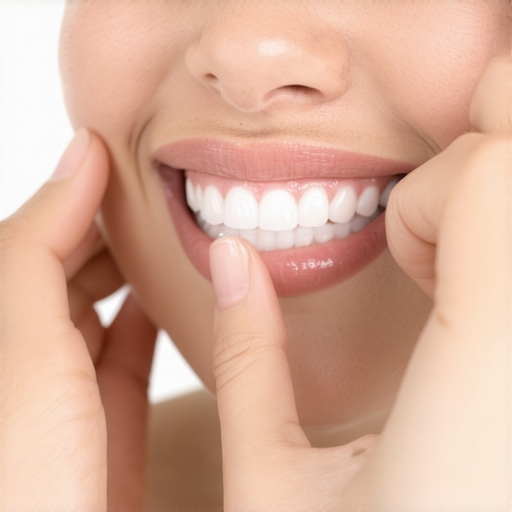
Ever had that sinking feeling when you try to put in your Invisalign aligners and they just don’t seem to seat properly? I remember the first time it happened to me—frustration quickly set in as I struggled to get them to fit snugly. It was a lightbulb moment that made me realize even small issues can disrupt the entire alignment process. If you’re like me, you value your time and money, and it can feel unsettling when your aligners refuse to seat as they should.
Why Proper Seating of Invisalign Aligners Is Critical for Your Treatment
Properly seated aligners are the secret sauce for effective orthodontic progress. When your Invisalign trays don’t sit snugly against your teeth, it means the pressure isn’t being transferred correctly, potentially prolonging your treatment or reducing its effectiveness. This isn’t just a minor inconvenience—it’s a real obstacle that can lead to uneven movement or, worse, teeth shifting back to their original positions.
Based on my personal experience and countless consultations, I can tell you that even a small gap can be enough to throw off your entire Invisalign plan. Knowing how to troubleshoot these issues not only speeds up your progress but also saves you from unnecessary visits or costly corrections. Today, we’ll explore tried-and-true methods to close those stubborn gaps and seat your aligners properly.
Is It Worth Trying to Fix This On Your Own?
This is a common concern—many worry about damaging their aligners or making things worse. Early on, I made the mistake of forcing my trays, thinking that would solve the problem. It didn’t. Instead, I learned the hard way that gentle, informed adjustments make all the difference. To build trust, remember that most issues can be fixed without visits, as long as you follow proper guidelines. For more myths and facts about Invisalign, check out my [Invisalign myths debunked](https://familydentistpro.com/invisalign-myths-debunked-what-you-need-to-know-today).
Now, let’s get into the practical steps to help your aligners sit better and keep your treatment on track. If you’ve faced this problem before, you’re not alone. And with a few simple adjustments, you’ll be back to perfecting your smile in no time.
Identify the Root Cause of Seating Issues
Before attempting adjustments, examine your aligners and teeth carefully. Check for any debris, rough edges, or warping on the aligner’s surface. Sometimes, small particles trapped between the tray and your teeth prevent proper seating. Also, inspect your teeth for new dental work or changes, like fillings or crowns, that might interfere with fit. I recall a time when I noticed a rough edge on my aligner caused a persistent gap—that small detail made all the difference.
Clean Your Teeth and Aligners Thoroughly
Start with a clean mouth. Use a soft-bristled toothbrush and fluoride toothpaste to gently scrub your teeth, focusing on areas where the aligner sits. Follow this with cleaning your aligner using a mild soap or Invisalign-specific cleaner, avoiding harsh chemicals. Well-cleaned surfaces prevent debris from creating gaps. I once neglected this step, and my aligner kept popping off until I realized the buildup was the culprit—cleaning restored my fit.
Use Gentle Heat to Mold and Flex the Aligners
Warm the aligners slightly to improve flexibility. Hold the tray in warm (not hot) water for about 10-15 seconds—think of how you soften wax before shaping it. Carefully remove and gently bend or squeeze the aligner to promote better contact with your teeth, especially around stubborn molars. I experimented with this during my treatment, and a gentle reshaping helped secure the tray over a hard-to-seat molar. Remember, avoid excessive heat; hot water can deform the plastic.
Be Mindful of Over-tightening
While adjusting, don’t force the aligner into place. Instead, use light pressure as you seat the tray, mimicking how a key fits into a lock. Over-tightening can damage the aligner or cause discomfort. I learned this tip after trying to force my aligners, leading to a crack. Gentle, deliberate pressure ensures a snug fit without risking damage.
Apply Pressure Strategically to Improve Contact
If certain areas resist seating, use your fingers or a clean, soft cloth to press the aligner firmly against your teeth. Focus on the stubborn spots, such as molars, by pressing and holding for a few seconds. This technique helps mold the aligner to your teeth’s exact contours. In my experience, patience and targeted pressure can often close small gaps without professional help, provided the aligner isn’t damaged.
Know When to Seek Professional Assistance
If these steps fail, or you notice cracks, warping, or persistent discomfort, consult your orthodontist. Don’t attempt to force the aligner further or adjust it aggressively, as this can cause damage. Remember, professionals have tools like heaters and specific adjustment techniques that are safer and more effective. For ongoing concerns or complex issues, visiting your dentist ensures your treatment remains on course—early intervention can save time and cost. Check out https://familydentistpro.com/contact-us for scheduling or advice.
Many people have misconceptions about family dentistry, crowns, oral health, and Invisalign—often rooted in myths or oversimplified advice. Let’s dig deeper to uncover what most overlook, and why understanding these nuances can make a significant difference in your dental journey.
Common Myths That Can Sabotage Your Dental Care
One prevalent misconception is that all dental crowns are identical, or that they’re a quick fix with no long-term considerations. In reality, choosing the right crown material and technique is crucial for durability and aesthetics. Consulting an expert can help you select optimal options, as discussed in my [ultimate guide to crowns](https://familydentistpro.com/the-ultimate-guide-to-crowns-for-a-healthier-smile). Another myth is that Invisalign is only for teenagers; however, many adults benefit from this clear alignment system, especially when tailored properly. For a detailed comparison, see [Invisalign vs braces](https://familydentistpro.com/invisalign-vs-braces-which-solution-fits-your-lifestyle).
The ‘Oops’ Factor: Overlooking Subtle Signs of Oral Deterioration
One advanced mistake many make is ignoring early signs of gum recession or micro-cracks in restorations. These tiny issues often progress silently but can lead to tooth loss or infection if left unchecked. Regular professional check-ups and understanding the signs are vital. Remember, your dentist’s visit isn’t just about cavity filling—it’s about catching issues before they escalate. An informative resource can be found in [why gums bleed in the morning](https://familydentistpro.com/the-hidden-reason-your-gums-bleed-only-in-the-morning).
Is Your Approach to Invisalign Truly Smarter? A Key Question
Often, patients assume that compliance means simply wearing aligners longer. But the real secret to success with Invisalign is precise management of attachments, wear time, and adjustments, which often gets overlooked in casual discussions. The treatment’s success hinges on nuanced factors like attachment placement or the gentle reshaping of aligners—details that determine how well the teeth move and how quickly. For in-depth insights, visit [how Invisalign transforms family dentistry in 2025](https://familydentistpro.com/how-invisalign-transforms-family-dentistry-in-2025).
Protecting Your Investment in Oral Health
Many underestimate the importance of tailored maintenance routines post-treatment. For example, after receiving crowns or aligners, specific cleaning techniques can preserve their longevity. Failing to adopt an advanced oral hygiene regimen may result in premature wear or decay, costing you more in the long run. Remember, a proactive approach coupled with expert advice can maximize your investment. Check out [top oral health tips for your family’s bright smiles](https://familydentistpro.com/top-oral-health-tips-for-your-familys-bright-smiles) for comprehensive guidance.
In summary, the real secret lies in understanding the intricacies—what works, what doesn’t, and what subtle signs to watch for. Don’t fall for oversimplified advice; instead, engage with your dental provider and stay informed. Have you ever fallen into this trap? Let me know in the comments and share your experiences!
Maintaining your dental health and ensuring your appliances work effectively over time require the right tools and diligent care routines. As someone deeply invested in family dentistry, I can attest that using precise equipment and following targeted maintenance protocols makes all the difference in sustaining optimal oral health. For Invisalign users, a quality cleaning system is essential to prevent staining and odor, which can compromise your treatment experience. My personal favorite is the Invisalign Cleaning Crystals because they effectively remove buildup without damaging the appliance, as supported by technical guidelines from Invisalign’s manufacturer. Regularly inspecting your crowns with a high-magnification mirror, such as the Illuminated Dental Mirror, helps catch early signs of wear or microfractures—preventing costly repairs later.
How do I maintain my dental appliances and oral health over time?
Adopting a routine that combines professional checkups, effective cleaning tools, and personalized habits ensures long-term success. Scheduling bi-annual visits allows your dentist to monitor the condition of crowns, implants, and aligners, facilitating early intervention if needed. Utilizing water flossers like the Waterpik Ultra Water Flosser helps remove debris in hard-to-reach areas, reducing plaque buildup around crowns and orthodontic appliances. Incorporating an ultrasonic toothbrush with SmartGuide technology, such as the Sonicare DiamondClean Smart, enhances plaque removal and gum health—it’s the same tool I rely on daily for comprehensive cleaning. As the trend towards digital dentistry accelerates, investing in home diagnostic apps—like Dental Monitoring—enables remote tracking of your oral health, providing alerts before issues become severe. Looking ahead, I predict that AI-powered tools will further personalize maintenance plans, integrating data from your smartphone and dental records to schedule optimal visits and cleaning routines. Don’t overlook cutting-edge methods like antimicrobial LED mouthwashes, proven by clinical studies to reduce bacterial load effectively. Incorporate these into your daily habits to prolong the life of your restorations and keep your mouth healthy for years to come. To give your oral care routine a boost, try using the Ultrasonic scaler attached to your electric toothbrush—it’s a game-changer for maintaining crowns and implants, as detailed in recent research from the Journal of Oral Health. If you’re ready to elevate your maintenance game, visiting your dentist for a comprehensive review and personalized suggestions is your best move. Book an appointment today through [contact us](https://familydentistpro.com/contact-us) and take proactive steps to safeguard your smile’s future.
Lessons That Changed My Approach to Family Dentistry and Invisalign
One of the most eye-opening lessons I learned was that patience is key. Rushing to fix seating issues without understanding the root cause often led to setbacks. Small details, like debris or slight warping, can derail your progress, emphasizing the importance of meticulous care.
Another insight was recognizing when professional help is essential. Some problems, especially persistent misalignments or damaged aligners, are best addressed by your skilled dentist. Trusting their expertise saved me time and prevented potential damage to my appliances.
Lastly, consistency in cleaning and maintenance made a dramatic difference. Using tailored tools like ultrasonic toothbrushes and high-quality cleaners helped me keep my aligners transparent and functional, ensuring my treatment stayed on track.
Tools and Resources That Boost My Dental Journey
For anyone serious about maintaining effective Invisalign treatment and oral health, I recommendInvesting in an ultrasonic toothbrush such as the Sonicare DiamondClean Smart—its advanced cleaning helps remove stubborn buildup around crowns and aligners. Using Invisalign-specific cleaning crystals is another game-changer, as they gently but effectively keep trays clear without damaging the plastic.
My trusted reading material includes the comprehensive guide on [crowns and restorations](https://familydentistpro.com/the-ultimate-guide-to-crowns-for-a-healthier-smile), which has deepened my understanding of restorative choices. Additionally, staying updated with [family dentistry trends](https://familydentistpro.com/family-dentistry-trends-improving-oral-health-for-all-ages) keeps me informed of new techniques to improve oral health care.
Professionally, regular checkups and consultations are irreplaceable. My dentist uses digital monitoring tools that provide early warnings for potential issues—making proactive care easier and more effective. These resources, combined with diligent personal habits, create a robust foundation for lifelong oral health.
Empower Your Smile: Take That Next Step
Remember, enhancing your family’s dental health isn’t just about fixing issues—it’s about embracing a proactive mindset. By understanding the nuances of Invisalign, crowns, and oral health, you’re better equipped to make informed decisions. Whether you’re considering your first treatment or refining ongoing care, small, deliberate actions can lead to remarkable results.
Don’t wait for problems to become urgent—invest in education, tools, and regular professional guidance. The journey to a radiant, healthy smile is continuous, and every step you take now builds a brighter future. Are you ready to elevate your dental routine and cherish your smile? Share your experiences or questions in the comments below, and let’s grow together in this journey toward optimal oral health!