
How to get your toddler to sit still in the dentist’s chair

I remember the first time I took my toddler to the dentist, and how I left feeling exhausted and frustrated. My little one was resisting, squirming, and clinging onto me as if the dentist’s chair was a monster waiting to attack. That moment was a lightbulb for me—why is getting a toddler to stay still so tough, and what can I do about it? It’s a common dilemma many parents face, and honestly, I struggled with it too. But over time, I discovered simple, effective strategies that transformed those stressful visits into smooth experiences.
Why Getting Your Toddler to Sit Still Matters More Than You Think
Ensuring your child’s cooperation during dental appointments isn’t just about avoiding tantrums. It’s crucial for early detection of tooth decay, establishing a positive attitude toward oral health, and preventing future dental anxiety. Plus, children who are comfortable during dental visits tend to maintain better oral hygiene habits overall. Interestingly, the American Academy of Pediatric Dentistry emphasizes that early positive dental experiences can shape a child’s attitude towards dentistry for life (read more here).
But let’s be honest—toddlers are naturally energetic, curious, and can be easily overwhelmed. Expecting them to sit still without any preparation is like asking a puppy to stay perfectly still—they have a lot of energy and hardly the attention span. My early mistake was trying to force compliance without understanding their perspective. I thought that if I simply distracted them, they’d cooperate. That strategy works sometimes, but more often, it backfires, making the visit stressful for everyone involved.
Now, I focus on creating a calm, engaging environment and using age-appropriate techniques to encourage cooperation. No more power struggles. If you’re tired of wrestling your little one during dental visits, stick around. I’ll share practical tips that really work, backed by my years in family dentistry and real-life experience.
Is Your Child’s Resistance Just a Phase or Something More?
Many parents worry, “Is my child’s refusal to sit still normal?” The truth is, some level of resistance is typical, but persistent opposition might signal fear or discomfort that needs addressing. One mistake I made early on was dismissing my child’s anxiety, thinking they’d grow out of it. Instead, I learned that recognizing and gently addressing their fears makes a huge difference. Want to explore more about creating a positive dental environment? Check out this article on how crowns can boost your child’s confidence.
So, if your toddler’s reluctance has you worried about their oral health or your sanity, you’re not alone. The good news is that with a few tailored strategies, you can turn dental visits from a nightmare into a trust-building experience. Ready to learn more? Let’s dive into practical steps you can take starting today to make your child’s dental visits easier and more effective.
,
Simplify the Dental Environment
Start by creating a welcoming, child-friendly space. Use bright colors, toys, or decorations that make the dentist’s office feel less intimidating. When I brought my son to a pediatric dentist, we arrived early so he could explore the play area. This helped him associate the environment with fun rather than fear.
Use Distraction Techniques
Engage your toddler with age-appropriate distractions. Bring along their favorite toy or read a short story during the appointment. During my last visit, I held my daughter’s hand and played her favorite song on my phone. It was noisy, sure, but it diverted her attention enough to reduce her resistance.
Explain with Simple Language
Describe the procedure in relatable terms. Instead of saying “the dentist will count your teeth,” say “the dentist will look at your colorful teeth and make sure they stay strong.” I learned this trick when my daughter was nervous about the drills. Using stories helped her understand what was happening and reduced her anxiety.
Implement Gradual Exposure
Don’t rush into full visits. Start with quick trips to meet the staff, then progress to sitting in the chair, and finally the full exam. In my experience, gradually acclimating my toddler made the process less overwhelming. One time, I simply let her sit on my lap in the dentist’s chair for ten minutes, chatting and playing. Over time, she became comfortable enough to sit alone.
Reward Positive Behavior
Offer praise or small rewards after each step. Stickers, a favorite snack, or a tiny toy can motivate your child. I found that rewarding my daughter after her first successful exam made her look forward to the next visit, transforming it into a positive experience rather than a chore.
Manage Your Own Anxiety
Your demeanor influences your child’s reaction. Stay calm and positive. Remember, children can sense anxiety, which may heighten their fear. In my own visits, practicing deep breathing and maintaining a smile helped me stay composed, which in turn reassured my little one.
Leverage Professional Techniques
Ask your child’s dentist about behavior management methods like tell-show-do or positive reinforcement. Many family dentists are trained in these techniques, which have proven effective. I discovered that when the dentist explained what they were going to do, using simple words and gentle gestures, my daughter felt more in control and less scared. Want to explore more about creating a non-threatening dental environment? Check this article on modern family dentistry techniques.
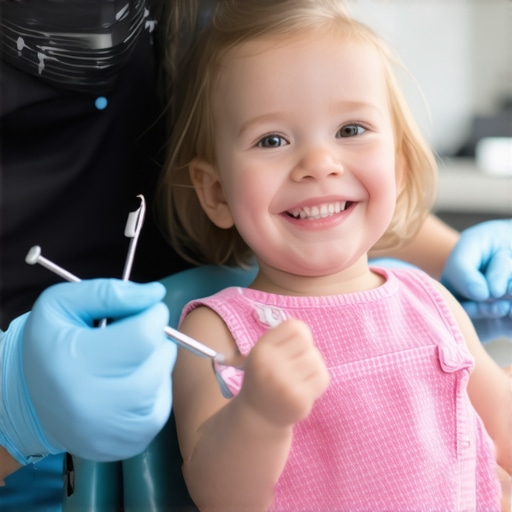 While many people think they understand the basics of dental care, challenging these assumptions reveals subtle but significant nuances that can impact your oral health success. For instance, a widespread misconception is that all crowns are essentially the same. In reality, choosing the right crown involves considering the material, placement, and long-term durability, which can vary greatly. An expert tip is to consult with your dentist about the specific crown type that best aligns with your lifestyle—you can explore these details further at this comprehensive guide on crowns.Maintaining your dental work and oral health over the years requires a combination of reliable tools, proper techniques, and regular professional guidance. As a family dentist with years of experience, I recommend investing in high-quality devices like electric toothbrushes with oscillating-rotating technology, such as the Oral-B Genius series. These toothbrushes effectively remove plaque and reduce the risk of gum disease, especially around crowns and bridges where hard-to-reach spots often accumulate plaque.
Pair your toothbrush with interdental cleaning tools like Waterpik water flossers. Unlike traditional string floss, water flossers use pulsating water streams to dislodge debris between teeth and around restorations gently but thoroughly. I’ve seen patients improve their gum health significantly by incorporating water flossers into their daily routines, especially those with crowns or braces. Regular use not only maintains clean margins but also extends the lifespan of restorations.
Beyond tools, digital charting software like Dentrix Ascend helps monitor your dental condition over time, recording wear, margins, or potential issues with restorations. Regular digital assessments allow proactive maintenance, reducing the chances of unexpected failures or decay beneath crowns. Staying disciplined with routine check-ups, ideally every six months, paired with these technological aids, sets the foundation for a long-lasting healthy smile.
How do I keep my dental restorations in top shape over the years?
Understanding that each restorative material behaves differently is essential. For example, porcelain crowns require minimal abrasive toothpaste to prevent wear, while composite fillings benefit from polishings that prevent staining. Using a soft-bristled toothbrush and non-abrasive toothpaste crafted for restorations can prolong their appearance and function. Additionally, avoiding sticky or hard foods helps prevent chipping or dislodgement of crowns and veneers. Recent advances highlight the importance of sealants and minimalist preparations in crowns to prevent secondary decay, which I discuss in detail on this guide to crowns.
Speaking of longevity, research indicates that digitally designed crowns fabricated with CAD/CAM technology experience fewer failures and better fit, ultimately improving long-term outcomes (source). Such technology enables precise customization, reduces the need for adjustments, and enhances the seal around the margins, protecting against bacterial ingress.
To optimize your dental health strategy, consider routine maintenance plans that include professional fluoride treatments and customized at-home care routines. Regular professional cleanings help identify early signs of issues like gum recession or minor decay, which, if left unchecked, could compromise crowns or veneers. Remember, investing in your tools and habits today pays dividends by preventing costly repairs tomorrow.
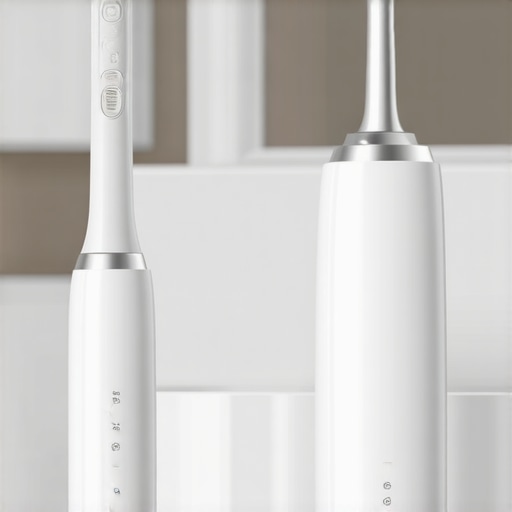
Implementing these advanced tools and practices can significantly extend the lifespan of your dental work, ensuring it remains functional and aesthetic for years to come. Stay proactive by continually seeking the latest innovations, like the new ceramic materials and bonding agents currently under research, which promise even better durability in the future. For personalized advice tailored to your specific restorations, schedule a consultation—your future self will thank you.
How I Discovered the Power of Personalized Care Plans
I used to believe one-size-fits-all when it came to crowns and oral health. However, personal stories revealed that tailored treatments, considering individual habits and lifestyles, lead to longer-lasting results. This insight transformed my approach, emphasizing that what works for one family member might not suit another, and consulting with your dentist for a customized plan is invaluable. For a deep dive into creating effective care routines, explore this comprehensive crown guide.
The Hidden Benefit of Embracing New Tech in Family Dentistry
Adopting digital tools like CAD/CAM and intraoral scanners initially seemed intimidating, but I learned they drastically improve fit and durability of restorations. Embracing these innovations means fewer adjustments and happier smiles. Personally, I found that these advancements allow for quicker, more precise treatments—saving time and reducing discomfort. Trusting my dentist’s commitment to technology paid off in strengthened, longer-lasting dental work.
Trusting Your Instincts Over ‘Quick Fix’ Trends
When it comes to maintaining oral health, I realized that impulsively trying over-the-counter whitening or DIY solutions without professional guidance often backfires. The significant lesson was listening to my gut—prioritizing professional advice for crowns and restorations ensured better outcomes. This approach underscored that investing in expert care and evidence-based products yields results that stand the test of time. For insights on safe whitening options, see this guide.
My Unexpected Revelation About the Role of Regular Check-ups
Consistently scheduled visits helped catch small issues early, preventing costly repairs or replacements. Initially, I underestimated the importance of biannual check-ups, but I learned that preventive care extends the lifespan of crowns and preserves family oral health. This proactive mindset fosters confidence and peace of mind—knowing that your smile is protected by routine professional evaluations. To understand more about preventive strategies, review this article.