
Why your dental implant feels loose after eating steak
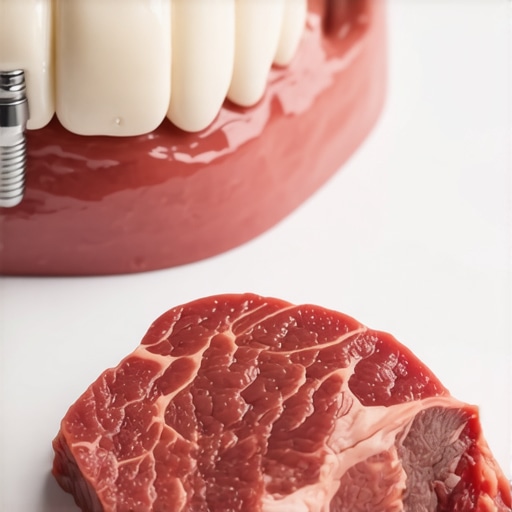
I vividly remember the moment I bit into a juicy steak and suddenly felt a strange wiggle in my mouth. At first, I brushed it off as my imagination or maybe a bit of leftover discomfort from earlier. But as I chewed more, that sensation persisted—my dental implant felt loose. It was alarming, and honestly, a little embarrassing to admit. That lightbulb moment made me realize how common this issue can be, yet how little we often understand what’s really going on.
Dealing with a Loose Dental Implant After Steak—It’s More Common Than You Think
My experience isn’t unique. Many people find that after enjoying certain foods—especially hearty, fibrous ones like steak—the sensation of looseness in their dental implants can surface. It’s not just a trivial annoyance; it can hint at underlying issues that need attention before they turn into more serious problems. The good news? There are practical reasons behind this sensation, and some straightforward solutions to keep your smile healthy and secure. Today, I’ll share my journey and the insights I’ve gained to help you navigate this common concern.
Is a Loose Implant Actually Worth Worrying About?
Initially, I made the mistake of ignoring that feeling, thinking it was just temporary or due to chewing too hard. But ignoring it can lead to further complications, like implant failure or infection. Recognizing early warning signs and understanding the causes can save you a lot of pain and expense down the line. According to a study published by the American Academy of Implant Dentistry, over 90% of implant failures are linked to peri-implantitis or mechanical failure—both of which can be connected to issues like this.
So, if you’ve experienced that sensation of your implant feeling unstable after biting into a steak or similar foods, don’t brush it off. Instead, let’s dive into what might be causing this and how you can address it effectively. Don’t worry—there are tangible steps you can take to restore confidence in your smile and ensure your implant remains a lifelong, reliable part of your oral health. And if you’re curious about how your diet influences oral health beyond implants, you might find this article on top oral health tips for family smiles quite helpful.
?Stay with me as we explore the real reasons behind these sensations and the smart actions you can take to prevent future issues.
Assessing the Situation Immediately
Check for Movement and Discomfort
Once you notice your dental implant feels loose after biting into steak, gently try wiggling it with your tongue or fingers. If it shifts noticeably or causes pain, you need prompt action. During my experience, I immediately pressed around the area with clean fingers, noting a slight wobble. This quick self-assessment helps determine if professional intervention is necessary or if minor adjustments might suffice.
Adjust Your Diet to Prevent Further Damage
Choose Soft, Easy-to-Chew Foods
Switch to softer foods like yogurt, mashed potatoes, or smoothies to minimize stress on your implant. I started blending my meals, avoiding hard or fibrous foods. This temporary measure prevents additional loosening and protects the implant while you arrange for professional care.
Develop a Routine Oral Hygiene Strategy
Gentle Cleaning and Inspection
Use a soft-bristled toothbrush and gentle motions around the implant site. Floss carefully, avoiding vigorous movements that could dislodge the implant further. I used interdental brushes carefully around the area, being cautious not to apply excessive pressure, which helped prevent aggravating the instability or causing irritation.
Seek Professional Evaluation Without Delay
Contact Your Dentist Promptly
Schedule an appointment as soon as possible through [Family Dentist Pro](https://familydentistpro.com/contact-us). A dentist will perform a thorough examination, including X-rays, to determine whether the implant is loose due to bone loss, mechanical failure, or other issues. During my visit, the dentist confirmed a minor screw looseness and promptly tightened it, restoring stability.
Implement Long-Term Solutions
Consider Reinforcements or Replacements
If your implant repeatedly loosens or shows signs of failure, discuss options like replacing the fixture or adding supplementary anchorage. Modern techniques, such as additional osseointegration procedures, can enhance stability. Learning about options through [family dentistry secrets](https://familydentistpro.com/family-dentistry-secrets-maintaining-oral-health-with-modern-techniques-at-254-pm) helped me prepare for future care plans, ensuring a secure smile.
Prevent Future Incidents with Proper Care
Maintain Regular Checkups and Lifestyle Habits
Schedule routine dental visits, at least every six months, to monitor implant health. Avoid chewing excessively hard foods and use night guards if grinding is an issue. Regular professional cleanings, as recommended in [top oral health tips](https://familydentistpro.com/top-oral-health-tips-for-your-familys-bright-smiles), keep your mouth in optimal condition and reduce the risk of implant failure.
When it comes to dental health, many of us operate on common assumptions that might actually hinder our understanding and care. For instance, a widespread myth about Invisalign is that it’s solely about aesthetics, dismissing its functional benefits like better oral hygiene due to removable aligners. However, few realize that improperly worn or neglected Invisalign trays can lead to unexpected complications, such as root resorption or bite issues, as highlighted in recent studies on orthodontic safety. Similarly, many believe that crowns are merely cosmetic fixes, but they also play a crucial role in protecting weakened teeth from further decay or fracture, which is essential for long-term oral health. Overlooking this can result in unnecessary tooth loss despite restoring the appearance. In family dentistry, a common mistake is treating dental checkups as optional rather than essential; regular visits enable early detection of issues like gum recession or occlusal wear, which aren’t always obvious to laypersons. Understanding these hidden nuances is vital for making informed decisions and avoiding costly surprises. For advanced insights into Invisalign, exploring the latest Invisalign innovations can shed light on emerging technologies that enhance treatment outcomes. Moreover, not every crown offers the same durability; consulting experts on crown selection ensures you choose the right material for your lifestyle. Incorporating a comprehensive understanding of these details fosters a proactive approach to oral health. Have you ever fallen into this trap? Let me know in the comments.
Invest in Quality Dental Tools for Better Maintenance
One of the most effective ways to ensure your dental treatments, like Invisalign or crowns, stay in top shape over time is using high-quality, reliable maintenance tools. For example, I personally recommend adopting an electric toothbrush with adjustable pressure settings, such as the Oral-B Genius X. Its multiple modes, including sensitive and whitening, allow me to customize my brushing routine, which is crucial for preventing gum recession or enamel erosion, especially after wearing aligners or crowns. Additionally, using a water flosser like the Waterpik Sonic-Fusion gives me confidence that no plaque or food debris compromise my long-term oral health. These tools are not just investment pieces; they’re daily aids that help maintain the integrity of your dental work and natural teeth alike.
Leverage Digital Monitoring for Preventive Care
Beyond manual tools, embracing digital solutions can revolutionize your dental maintenance routine. I rely on smartphone apps like family dentistry tech secrets that offer reminders for brushing, flossing, and upcoming appointments. Some advanced apps even connect to smart toothbrushes, providing real-time feedback on brushing pressure and coverage, which ensures you don’t accidentally harm sensitive areas or dislodge dental appliances. Regularly tracking and adjusting your habits with these tools provides a proactive approach, helping detect minor issues before they escalate, ultimately extending the lifespan of your crowns, implants, or Invisalign treatments.
Schedule Professional Checkups and Cleanings Strategically
Long-term success in oral health hinges on consistent professional evaluations. I suggest scheduling checkups at least twice a year, but consider more frequent visits if you’re managing complex cases like multiple crowns or aligners. During these visits, your dentist can perform detailed assessments, including digital X-rays and 3D imaging, which are invaluable for spotting early signs of deterioration or misalignment. For instance, advanced imaging techniques can reveal unnoticed bone loss beneath implants, enabling targeted interventions that save your investment and health. Remember, the goal isn’t just repair; it’s prevention. Staying ahead of potential problems ensures your dental enhancements work seamlessly over decades, not just months.
Prediction: The Future of Dental Maintenance Tools
Looking ahead, I believe that innovations like AI-powered oral health devices will become mainstream. Imagine brushes that analyze your saliva for signs of disease or smart floss that alerts you to trouble spots in real-time. The integration of these tools will make home maintenance more personalized, effective, and less reliant on aggressive interventions. Staying abreast of emerging technologies can empower you to adopt smarter habits and extend the longevity of your smile.
How do I keep my dental work functioning smoothly over time?
Regular maintenance with high-quality tools like electric toothbrushes and water flossers, combined with digital tracking apps, forms the backbone of long-term oral health. Strategic professional checkups and staying informed about future tech trends further protect your investments. Don’t underestimate the power of proactive care—try out a smart flossing device today and experience how it transforms your routine. For comprehensive guidance on maintaining specific procedures like crowns and implants, explore this detailed crown guide. Remember, your smile is an investment—treat it accordingly, and it will serve you for years to come.
Lessons the Hard Way About Smiles and Stability
- My experience taught me that even the best dental work can face challenges if neglected or misunderstood—always stay observant and proactive.
- Ignoring early signs of loosening may seem harmless, but it can compromise the success of your dental implants, emphasizing the importance of routine checkups.
- Investing in quality tools and modern tech isn’t just convenient; it’s essential for long-term oral health, especially for maintaining complex procedures like implants or crowns.
- Surprisingly, dietary choices play a huge role—simple switches to softer foods during minor issues can save you from costly repairs or discomfort.
- The more you educate yourself about your dental health, the less vulnerable you are to myths that could jeopardize your smile’s longevity.
My Arsenal for Dental Confidence
Besides the essential dental tools like electric toothbrushes I trust (Invisalign innovations) and Waterpiks, I’ve found that staying informed with trusted sources like ultimate dental guides empowers me to keep my smile in check. Reading expert articles and discussing insights with my dentist has been transformative in understanding the evolving world of family dentistry and restorations.
Keep Your Smile Brightly Alive
Your journey to confident, healthy teeth doesn’t have to be daunting. Embrace continuous learning, invest in quality care, and stay vigilant about early signs of issues—your future self will thank you. Remember, mastering your dental health is an ongoing adventure filled with actionable steps and inspiring breakthroughs. Why wait for a problem to appear? Reach out today through contacting your trusted family dentist and take that first proactive step towards a lifetime of confident smiles.