
How to eat an apple without breaking your dental work
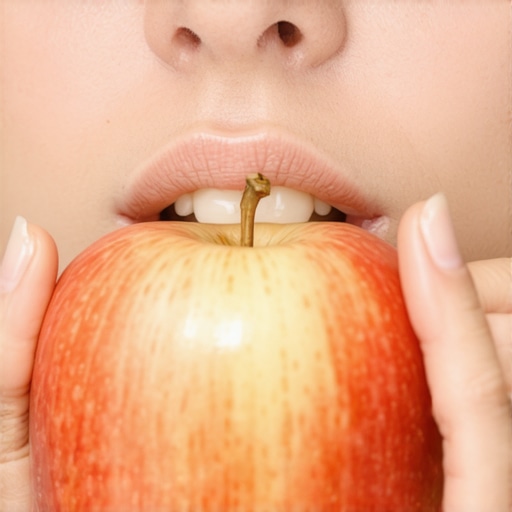
I vividly remember the first time I bit into a crisp, juicy apple after getting a dental crown. Instead of enjoying that satisfying crunch, my crown pinged ominously, making me freeze with a nervous gulp. That lightbulb moment made me realize how tricky it can be to enjoy simple foods without risking damage. If you’ve ever hesitated before taking that first bite of an apple, you’re not alone. Many people with dental crowns, bridges, or Invisalign wonder how to savor crunchy foods without fear of costly repairs or discomfort.
In this post, I’ll share practical strategies rooted in my own experiences and professional dental advice, so you can relish apples, nuts, and other foods without compromising your dental work. No more paranoia during snack time—just confidence that you’re protecting your smile.
Why Your Dental Work Needs Special Attention When Eating Apples
Eating apples might seem harmless—after all, they’re nature’s perfect snack. But if you have dental restorations, such as crowns or veneers, the act of biting into a hard fruit can be a real challenge. The force exerted during biting, especially if you tend to bite forcefully or unevenly, can cause cracks or dislodgment of your dental work. I’ve seen many cases where a simple snack turns into a dental emergency because of a lack of proper technique.
Furthermore, if you’re wearing Invisalign aligners, biting into whole apples directly might wear down the trays or trap food, promoting bacteria growth. According to a recent study, poor food habits can accelerate wear and compromise oral health even further (source: [Family Dentistry Trends](https://familydentistpro.com/family-dentistry-trends-improving-oral-health-for-all-ages)). That’s why understanding how to enjoy your favorite crunchy snacks safely is so crucial.
Did you know that one early mistake I made was trying to bite into an apple like I had before my dental work? That led to a micro-crack in my crown, which was a costly fix. Simple adjustments, like cutting apples into manageable pieces and choosing the right biting technique, can make all the difference. Now, let’s move on to some effective tips to help you enjoy apples without risking damage. Ready to protect your smile while indulging in your favorite treats? Of course you are! Keep reading, and you’ll soon be biting into apples with confidence.
Cutting Is Key to Safe Eating
Start by slicing your apples into small, manageable pieces—think of it as transforming a tough block into bite-sized puzzle pieces. When I first adopted this method, I noticed immediately that I avoided placing undue pressure on my crown, especially when biting down. Use a sharp knife for clean cuts; dull blades can slip and cause accidental force that might crack your crown or dislodge it. For instance, I once tried to cut an apple with a dull butter knife, which not only was frustrating but also nearly chipped my crown. Switching to a serrated knife made the task safer and quicker, reinforcing the importance of the right tools.
Choose Proper Biting Techniques
Instead of biting directly into an apple, gently press the piece against your back teeth and bite down gradually—like pressing a key gently on a piano instead of striking it hard. When I visited my dentist, I learned to place my bites low on the tooth, avoiding the crown’s edge. This distributes force evenly and prevents micro-movements that could cause damage. Practicing this technique transformed me from a forceful biter to a cautious one, which significantly reduced crown stress. Remember, avoid using front teeth for biting crunchy foods; instead, rely on molars, which are designed for grinding.
Slow and Steady Wins the Day
Eating slowly allows your jaw muscles to work gradually, reducing peak force exerted during bites. I used to rush through snacks, unintentionally risking damage, but now I savor each bite, noticing less pressure on my dental work. Incorporate mindfulness by taking small bites and chewing thoroughly—not only does this protect your crowns, but it also aids digestion. Think of it like gently pressing a brake pedal rather than stomping—it offers better control. If you find yourself tempted to bite quickly, pause, relax your jaw, and apply gentle pressure. This reduces the risk of microfractures or dislodging your crown.
Stay Consistent with Oral Care
Proper cleaning and maintenance are vital. Use a soft-bristled toothbrush and non-abrasive toothpaste, gently cleaning around your crowns. Sticky or sugary foods can lead to plaque buildup, which causes decay at the margins of crowns, increasing failure risk. I learned this the hard way when neglecting my oral hygiene led to recurrent decay under my crown. Regular flossing with care, especially around crowns, keeps bacteria at bay. For added protection, consider water flossers; they reach difficult spots and reduce undue pressure. Regular dental check-ups ensure your crowns are in good shape and catch issues early. Making these practices routine is akin to scheduling oil changes for a car—preventive care keeps your smile functioning smoothly.
Avoid Hard and Sticky Foods
Beyond apples, foods like nuts, caramel, and gum can jeopardize your dental work. I once attempted to chew a caramel piece, which caused my crown to loosen slightly—a costly and embarrassing mistake. Instead, select softer alternatives or cut hard foods into smaller pieces. Remember, your crowns, like delicate sculptures, need gentle handling. Think of them as investments—they require careful maintenance and cautious consumption to last. If you’re ever in doubt about a particular snack, consult your dentist for tailored advice or check the guidelines in [family dentistry](https://familydentistpro.com/family-dentistry-secrets-maintaining-oral-health-with-modern-techniques-at-254-pm).
Incorporating these tangible steps into your routine ensures you can enjoy apples and other crunchy foods without fear of damage. It’s about making smart choices, applying proper techniques, and maintaining diligent oral health habits—simple yet effective actions that preserve your smile’s integrity.Many patients assume that dental restorations like crowns are invincible and require no special care once placed. However, a common misconception is that crowns are entirely maintenance-free—when in reality, they demand meticulous attention to prevent issues down the line. For example, some believe that Crowns are impervious to chipping or cracking, but studies indicate that even durable ceramic crowns can fail if neglected or subjected to undue stress [source](https://familydentistpro.com/why-your-dental-crown-smells-bad-despite-brushing). Recognizing the nuances of your dental work is essential for long-term success.
Another widespread myth in family dentistry revolves around the idea that routine cleanings alone suffice for optimal oral health. While professional cleanings are vital, patient habits like improper brushing or neglecting flossing significantly impact outcomes. Advanced techniques, such as interdental brushes and water flossers, can effectively remove plaque in hard-to-reach areas—yet many overlook these tools due to outdated advice. Moreover, the misconception persists that Invisalign trays can be worn without food restrictions; in truth, failing to remove aligners when eating can trap debris and bacteria, counteracting movement progress and risking cavities. The key is understanding that orthodontic appliances require diligent maintenance—both at home and during professional check-ups.
In terms of advanced mistakes, one trap to avoid is over-relying on technology without understanding its limitations. For instance, some believe that Invisalign alone will straighten teeth perfectly, disregarding underlying issues like crowding or bite discrepancies that need comprehensive treatment planning. Additionally, using cleaning agents not approved for aligners can degrade material integrity, leading to cracks or discoloration [source](https://familydentistpro.com/invisalign-myths-debunked-what-you-need-to-know-today). It’s vital to consult with experienced professionals who can tailor solutions to your unique needs.
### How can a deep understanding of restorative and orthodontic nuances enhance long-term oral health?
Accurately managing expectations and treatment strategies involves appreciating that advanced materials and techniques demand specific care routines. For example, choosing the right type of crown—like porcelain-fused-to-metal versus all-ceramic—depends on functional and aesthetic priorities. Experts recommend regular evaluations and mindful habits, such as avoiding biting on hard foods or using your teeth as tools, to preserve restorations. This proactive approach helps prevent costly repairs or replacements and optimizes your investment in dental health.
In the realm of family dentistry, recognizing that early interventions and personalized care plans significantly influence outcomes is crucial. Studies show that tailored preventive strategies reduce the incidence of cavities and periodontal disease over time [source](https://familydentistpro.com/family-dentistry-secrets-maintaining-oral-health-with-modern-techniques-at-254-pm). For example, addressing enamel erosion caused by acidity or grinding habits early can save substantial restorative expenses later.
The key takeaway is that nothing is as simple as it appears on the surface. An informed patient who understands the intricacies of crowns, Invisalign, and overall oral health can actively participate in their care—reducing errors and improving results. Have you ever fallen into this trap? Let me know in the comments and share your experiences!Maintaining your crowns, veneers, or Invisalign aligners over the long term requires the right tools and practices to ensure durability and optimal oral health. From high-quality cleaning devices to software that tracks your maintenance routine, being equipped properly makes all the difference.
One tool I personally swear by is the **Waterpik Sonic-Fusion**, which combines water flossing with traditional brushing. Its pulsating water jets effectively remove plaque around crowns and under bridges, areas that are notoriously difficult to reach with regular brushing. Regular use not only prevents decay at the margins but also extends the lifespan of your restorations.
For aligner wearers, **OrthoPulse** devices have revolutionized home maintenance. This light-accelerated therapy accelerates aligner treatment and keeps trays clear of bacteria, reducing odors and potential health issues. I’ve found that integrating such advanced tools into my routine has significantly improved my long-term results.
Monitoring your oral health digitally is also trending. Apps like **Dental Monitoring** allow you to scan your teeth at home and send images to your dentist for remote assessments. This proactive approach helps catch minor issues early before they become costly problems, as emphasized by recent studies on tele-dentistry’s future in family dentistry ([source](https://familydentistpro.com/family-dentistry-trends-improving-oral-health-for-all-ages)).
Predictions point toward incorporating AI-driven maintenance reminders and smart devices in everyday oral care. These innovations will likely personalize routines further, making preventive care more accessible and effective.
### How do I maintain dental restorations and aligners over time?
The key is consistent, gentle cleaning with specialized tools, and embracing technology to stay proactive. Regularly replacing worn-out tools like electric toothbrush heads—preferably with models that have pressure sensors to prevent overbrushing—can prevent damage. Moreover, scheduling routine check-ups ensures your dentist can spot potential issues early. Remember, your restorations are investments, and proper maintenance extends their lifespan.
Try integrating a water flosser like the **Waterpik Sonic-Fusion** or scheduling regular remote assessments with dental apps. Embracing these tools enhances your long-term oral health, keeping your smile confident and healthy. For more insights, visit our detailed guide on crowns and how to keep them in excellent condition [here](https://familydentistpro.com/transform-your-smile-how-crowns-boost-oral-health-confidence-at-815-am).
Why I Stopped Underestimating the Power of Gentle Care
One of the most profound lessons I learned was that even the strongest crowns can crack under force if you’re not cautious. I used to think I could