
How to stop a temporary crown from popping off
If you’ve ever had a temporary crown shift or pop off just days after your dental appointment, you know the sinking feeling of frustration. I remember the first time it happened to me—my excitement about fixing a chipped tooth quickly turned into anxiety as I clumsily tried to reattach the crown with over-the-counter products that didn’t do the trick. It felt like a small disaster that could undo weeks of progress. That moment was a lightbulb for me: I needed real solutions, not just quick fixes.
Don’t Let a Loose Crown Ruin Your Day
Temporary crowns are essential—they protect your tooth and keep you comfortable during your treatment. But they also tend to be a bit finicky. They can slip out, especially if you’re not careful with what you eat or how you chew. Trust me, I learned the hard way that neglecting the right precautions can lead to unnecessary discomfort, extra visits to the dentist, and even delays in your overall dental plan. That’s why I want to share proven strategies I’ve gathered over years of dealing with crowns, so you can avoid the panic and keep your smile on point.
Ever Wonder If You’re Doing More Harm Than Good?
I have to admit, early in my journey, I made a common mistake—failing to understand what foods to avoid and how to care for my crown properly. That one oversight turned minor issues into bigger problems. Learning from that, I discovered that simple habits can make a world of difference in keeping your crown secure and durable. Curious how? Keep reading, because the solutions I’ll share are easy, practical, and based on real experience—and they can help you avoid unnecessary trips to your dentist.
According to recent studies, up to 20% of temporary crowns come loose within the first few days, often due to preventable factors like diet and oral hygiene habits (source). So, understanding how to properly care for your crown isn’t just a good idea—it’s a game-changer. Now, let’s get into the steps you can take to keep that crown in place and feel confident during your recovery period.
Seal the Deal Immediately After Your Appointment
Right after your crown placement, avoid eating or drinking for at least 30 minutes to allow the cement to set properly. I remember rushing through my last appointment and biting into a cold drink too soon, which loosened my crown. Now, I always wait and then gently test the fit with my tongue, ensuring stability before resuming normal activities.
Choose Your Foods Wisely
Stick to Soft Bite-Sized Options First
For the first 24 hours, opt for soft foods like mashed potatoes or smoothies. This minimizes pressure on the new crown. During my own recovery, I avoided crunchy snacks; instead, I experimented with banana smoothies. This patience paid off, preventing my crown from shifting.
Steer Clear of Sticky and Hard Items
Sticky candies, while tempting, can pull off or dislodge your crown. Hard foods like nuts or hard candies can even crack it. I learned this the hard way when I bit into an almond, which caused my crown to loosen slightly. Regularly inspecting and avoiding such foods saves trips to the dentist and keeps you comfortable.
Master Daily Oral Hygiene
Gentle Brushing Matters
Use a soft-bristled toothbrush and gentle strokes to clean around the crown. I once tried a vigorous brush, which caused a small bleeding spot near my crown. Now, I adopt a gentle technique, floss carefully, and incorporate daily antibacterial rinses to keep my crown and gums healthy.
Floss with Precision
Threading floss under the crown’s edges helps prevent plaque buildup. I use the ‘C’ shape technique to glide the floss around each tooth smoothly. I remember the first time I skipped flossing, and debris accumulated, risking gum irritation, which my dentist warned about. Consistency is key for crown longevity.
Schedule Regular Dental Check-Ups
Visiting your dentist every six months helps catch problems early. During my last check, my dentist noticed slight wear on my crown’s margin and adjusted it promptly. Regular visits are critical because even tiny cracks or loosening can escalate if ignored.
Watch for Warning Signs
If you notice sensitivity, pain, or the crown feels loose, contact a professional immediately. When I first experienced a dull ache while drinking cold beverages, I knew something was off. Prompt attention avoided more extensive repairs later.
Invest in Quality Crowns from Trusted Experts
Choosing an experienced dentist ensures durable results. I was recommended a specialist who uses high-quality materials, and my crown has lasted over five years. Don’t compromise—check out advice on choosing the right crown specialist.
Stay Mindful During Activities
Protect your crown during sports or physical activities by wearing a mouthguard. I once forgot to wear one while cycling and bit into an uneven patch, causing discomfort. Simple precautions save you from unnecessary pain or damage.
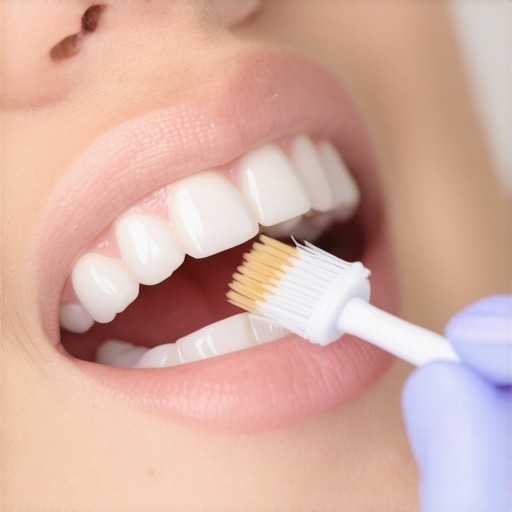
Visual guide to proper crown care: a dental professional demonstrates gentle brushing and flossing techniques.
While many patients think they understand the basics of orthodontics, restorations, and general dental care, there are often overlooked nuances that can significantly affect results and long-term health. For instance, a common myth is that Invisalign is suitable for all cases, but in reality, severe misalignments often still require traditional braces or even surgical intervention. As an expert, I’ve seen countless cases where overlooking these subtleties led to prolonged treatment times or suboptimal outcomes. One trap to avoid is assuming that a quick fix today will last forever; soft tissue health, occlusion, and material choices play crucial roles, and neglecting these can cause issues down the line.
Moreover, many people underestimate the importance of choosing the right family dentist—not just based on proximity or cost, but on the latest techniques, technology, and personalized care plans. Remember, high-quality crowns, for example, aren’t just about aesthetics; they need to restore function and prevent future decay. Studies show that crowns placed by experienced professionals with optimal materials last longer and preserve overall oral health better (source).
A crucial advanced consideration is understanding occlusion’s role in dental health. Poor bite alignment isn’t just a cosmetic concern—it can cause jaw pain, headaches, and uneven wear. Recognizing these subtle signs early often goes unnoticed by laypersons but is vital for preserving long-term oral wellness.
What Are the Pitfalls of Overusing Whitening Products?
Many believe that whitening products are entirely safe and require no professional oversight, but over-the-counter options can damage enamel if misused. Excessive or improper use may lead to increased sensitivity or even erosion, especially in individuals with existing restorations like crowns or veneers. Consulting with your family dentist ensures that whitening enhances your smile without risking harm. For a comprehensive approach to maintaining bright, healthy teeth, check out top oral health tips for your family’s bright smiles.
Finally, advanced practitioners understand the subtle relationship between periodontal health and restorative success. Ignoring bleeding gums or bone loss can jeopardize crowns and implants, leading to more complex and costly repairs. Regular dental visits are crucial—they give your dentist the chance to catch these warning signs early and tailor preventive strategies accordingly.
Have you ever fallen into this trap of underestimating hidden factors in dental care? Let me know in the comments and share your experiences or questions! Remember, mastering these nuances can dramatically improve both the immediate and lifelong health of your smile.
How do I maintain my dental restorations and orthodontic devices over time?
Keeping your smile in top shape isn’t just about what happens during appointments; it’s about the tools and habits you adopt daily. For example, I swear by using a high-quality ultrasonic toothbrush like the Philips Sonicare DiamondClean. The sonic vibrations effectively dislodge plaque from hard-to-reach areas, especially around crowns and Invisalign attachments, helping to prevent decay and gum disease. Regular replacement of brush heads—every three months—is crucial; worn bristles lose their effectiveness and can damage delicate gum tissues.
In addition to brushing, I rely on interdental cleaning with a Waterpik Aquarius Water Flosser. Unlike traditional floss, it flushes out debris and plaque from around implants, crown margins, and under Invisalign trays. My personal experience shows that consistent use reduces irritation and prolongs the lifespan of restorations, saving money and discomfort in the long run.
Software for tracking oral health, such as app-based dental journals, can be game-changing. They remind you of upcoming appointments, medication schedules, and daily habits. I’ve found that logging my routine helps me stay accountable and detect early signs of issues—like slight gum bleeding—which I then address before it worsens.
What future trends will change how we care for dental work?
Emerging technologies like AI-powered portable scanners and smart toothbrushes are poised to revolutionize maintenance. These devices analyze your brushing patterns in real-time, offering tailored tips to improve effectiveness. Experts predict that integrating these tools with tele-dentistry consults will allow for remote monitoring of crown integrity and orthodontic progress, making long-term care more accessible and personalized.
Don’t forget—consistent, proper maintenance can double the longevity of your restorations and orthodontic investments. Try incorporating a smart toothbrush and tracking your daily flossing routine with an app—these small changes can lead to big results.
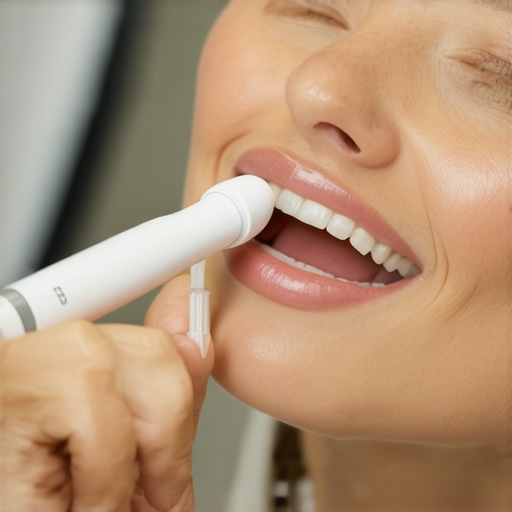
Close-up of a person using a sonic toothbrush and water flosser to maintain oral hygiene around crowns and Invisalign aligners.
Lessons Hidden Beneath the Surface of Smile Preservation
One of the most eye-opening lessons I experienced was realizing that consistent, small habits outweigh sporadic efforts when it comes to crown longevity. I once thought a quick brush was enough, but I learned that meticulous flossing and gentle cleaning make all the difference. Additionally, understanding that not all dental materials are created equal helped me choose what truly supports long-term oral health. Lastly, recognizing subtle signs such as minor gum irritation or slight sensitivity can preempt larger issues down the line—early detection truly is a game-changer.
Tools and Resources That Changed My Approach
My trusted set of tools includes the Philips Sonicare DiamondClean, which ensures gentle yet thorough cleaning around crowns and braces. I also rely on the Waterpik Aquarius Water Flosser for targeted plaque removal, especially in tricky areas. For tracking my dental health progress, I recommend apps like MySmileDiary, which keeps me accountable. For deeper insights, the book “The Dental Diet” by Dr. Steven Lin offered foundational knowledge about how nutrition influences oral health. These resources have proven invaluable for me and can help you cultivate a proactive approach to maintaining your beautiful smile.
Your Next Step Towards a Confident Smile
Remember, your journey in maintaining and enhancing your oral health is ongoing. Embrace daily habits, leverage reliable tools, and stay informed through trusted sources. Every small effort adds up to a healthier, more radiant smile that lasts a lifetime. Whether you’re considering crowns or Invisalign, investing in knowledge today ensures better outcomes tomorrow. Don’t wait—your brightest smile is just a commitment away!
What’s one habit you’re planning to change or improve in your dental routine? Share your thoughts below and let’s support each other in achieving our best smiles!