
Why your child’s new teeth are coming in behind the baby ones
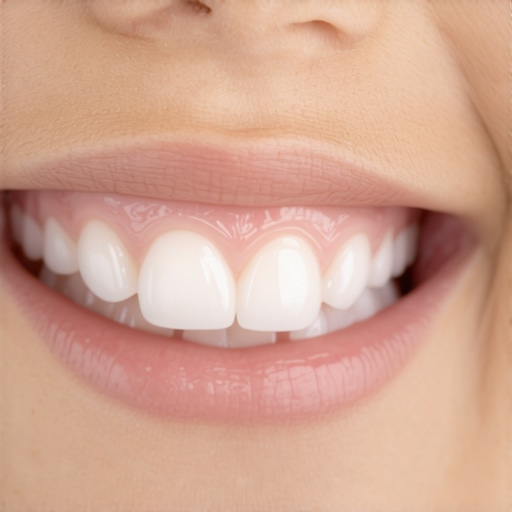
I remember the moment I first noticed my child’s new teeth emerging awkwardly, almost as if they were trying to find their place in a crowded room. It was unsettling. Suddenly, I was faced with a small, persistent worry: Why are my child’s adult teeth coming in behind their baby teeth? That familiar sense of concern crept in—what if this isn’t normal? And if so, what should I do?
As a parent, seeing your child’s smile develop can be both exciting and nerve-wracking. When those permanent teeth decide to take an unexpected path, it can cause confusion and even a little panic. But you’re not alone, and I promise — there’s clarity and actionable steps ahead.
The Hidden Reasons Behind That Unusual Tooth Growth
Many parents notice that their child’s adult teeth are coming in behind the baby teeth, leading to questions like, “Is this normal?” or, “Should I be worried?” The truth is, this situation—known as **dental ankylosis** or delayed eruption—is more common than you might think. It can be caused by various factors such as crowding, developmental delays, or even trauma.
Early on, I made the mistake of dismissing the issue as just a phase. However, neglecting this observation can lead to misalignment, bite problems, or increased risk of cavities. For a comprehensive understanding, I recommend reading about common misbeliefs surrounding dental development, which can be found in resources like [this article on Invisalign myths](https://familydentistpro.com/invisalign-myths-debunked-what-you-need-to-know-today).
In some cases, the permanent teeth develop correctly but take a different path to make their debut—coming in behind the baby teeth rather than through the gum line directly. This misalignment can be corrected with early intervention, making treatment easier and more effective.
If you’ve noticed similar patterns in your child’s teeth, don’t start panicking. Instead, let’s delve into the possible causes and what signs to look for to determine if professional attention is needed. Understanding these nuances can make a big difference in ensuring your child’s dental health stays on track.
Schedule a Thorough Dental Evaluation
My first action was to book an appointment with a pediatric dentist after noticing my child’s persistent behind-the-gum eruption. During the visit, the dentist examined my child’s mouth, took X-rays, and identified the root cause—early signs of misaligned eruption. This step is crucial to determine whether the issue is normal or needs intervention. Don’t skip this assessment; early diagnosis can save you from future costly corrections.
Understand the Underlying Causes
Next, I learned that crowding, delayed eruption, or trauma could provoke this condition. To clarify complex ideas, think of teeth as city traffic; if one lane is blocked (crowding), others (permanent teeth) might divert and emerge improperly. Knowing the cause guides the treatment plan effectively. For example, if crowding is the issue, orthodontic options like Invisalign can help align teeth smoothly.
Implement Orthodontic Intervention When Needed
Following the dentist’s advice, I explored options like Invisalign—an innovative alternative to traditional braces. I found that Invisalign uses clear aligners to gradually shift teeth, which is less noticeable and more comfortable for children. The process involves replacing aligners every few weeks, corresponding to specific movements of misaligned teeth. For detailed insights, read about how Invisalign revolutionizes family dentistry in 2025.
Consider Early Extraction for Severe Cases
If the permanent tooth is severely impacted or situated incorrectly, extraction might be necessary to prevent misalignment of neighboring teeth. During my experience, the dentist explained that sometimes removing the misguided tooth allows neighboring teeth to erupt properly. This approach requires careful planning and should be performed by an experienced family dentist or orthodontist, as discussed in expert advice on long-lasting dental solutions.
Utilize Restorative Options to Support Oral Health
If there’s damage or gaps caused during correction, dental crowns or veneers might be needed. Think of these as protective caps or decorative veneers that restore function and aesthetics. For example, if minor chips occur, discussing with your dentist about which restorative option suits your child’s needs ensures long-term success.
Maintain Consistent Oral Hygiene
Throughout the correction process, emphasize daily brushing, flossing, and regular dental check-ups. Use age-appropriate techniques and supervise your child’s brushing to prevent cavities or gum issues that can complicate orthodontic treatment. Consider tools like electric toothbrushes to ensure thorough cleaning, especially around brackets or aligners, as suggested in tips for effective brushing.
Many people believe they know everything about oral health, but in reality, some widespread misconceptions can hinder proper dental care. One common myth is that all dental restorations, like crowns, are alike; however, the choice between crowns and veneers, for example, significantly impacts both appearance and functionality. Interestingly, many assume that Invisalign is just a cosmetic solution, but recent advances demonstrate its profound benefits for restoring proper dental function and health—more details are available in this article. Another misconception is that family dentistry only focuses on children, yet modern practices emphasize preventive care for all ages, which is crucial for maintaining long-term oral health, as outlined here. While many believe that crowns are purely for cosmetic correction, they actually play a vital role in protecting compromised teeth and restoring function, a point thoroughly discussed in this resource. It’s also a myth that once a crown is placed, no further maintenance is required; in contrast, regular check-ups and proper oral hygiene around crowns are essential to prevent issues like decay or detachment. The idea that dental treatments are uncomfortable is another misconception; with advances like sedation dentistry and minimally invasive techniques, patient comfort is now a priority. But beware of the trap of thinking that DIY or over-the-counter whitening solutions are safe—these can cause enamel damage or sensitivity if misused. Staying informed and consulting qualified professionals is key to effective and safe dental care. Do you know any other myths that might be holding you back from proper oral health practices? Share your thoughts in the comments and ensure your knowledge is up to date!Maintaining excellent oral health over the years requires more than just regular brushing and flossing; it involves utilizing the right tools and adopting effective methods. One of my go-to instruments is the electric toothbrush, specifically models like the Oral-B Genius X, which I personally use daily. Its oscillating-rotating technology ensures a thorough clean, reaching areas manual brushes often miss, especially around crowns and braces. I also swear by water flossers such as the Waterpik, which make daily interdental cleaning easier and more effective, particularly for those with dental restorations or Invisalign appliances. These tools not only improve cleaning efficiency but also encourage consistent oral hygiene habits.
When it comes to software, I recommend using specialized apps like Dental Monitoring, which allows for remote check-ins with your dentist. This technology enables me to track my progress and get personalized tips without frequent in-office visits, saving time and supporting long-term results. As dental technology advances, virtual consultation platforms are becoming a reality, facilitating early detection and treatment planning.
Predicting where this will lead, I believe we will see even smarter, AI-driven dental devices that provide real-time feedback during brushing and flossing, customizing recommendations based on individual oral health data. Embracing these innovations now can set the foundation for a healthier smile decades down the line.
How do I maintain my dental tools over time?
Proper maintenance of your dental tools extends their lifespan and ensures optimal performance. For electric toothbrushes, regularly replace the brush heads—every three months is recommended—to prevent bacteria buildup. Cleaning the device itself with a damp cloth weekly also removes debris and maintains hygiene. Water flossers require thorough rinsing after use and periodic descaling to prevent mineral buildup. Keep electronic devices away from water and store them in a dry place.
In addition, schedule regular professional cleanings to complement your home care routine. These visits help remove plaque and tartar that tools might miss, especially in tricky areas around crowns and veneers. Think of your dental tools as investments; taking good care of them ensures they work effectively when you need them most.
Looking ahead, integrating smart technology with dental tools will become standard, offering data-driven insights to optimize our oral hygiene routines. Try calibrating your electric toothbrush with the manufacturer’s app and set reminders for replacement and cleaning. This proactive approach makes maintaining your oral health less of a chore and more of a profitable investment in your smile.
What I Wish I Knew Before Facing Dental Uncertainties
One of my most significant lessons was realizing that not all dental issues are straightforward; sometimes, what seems like a minor concern can signal deeper alignment or health problems. Trusting early instincts and seeking professional advice early on can prevent complex complications later. My experience taught me that patience and informed decision-making are key to achieving a healthy, confident smile.
Tools and Insights That Changed My Approach to Oral Care
Over time, I discovered that combining the right tools, like an electric toothbrush and water flosser, with reputable resources, such as expert articles on Invisalign myths, can elevate my dental routine. Investing in quality equipment and staying informed from trusted sources ensures long-lasting results and peace of mind.
Embracing the Journey Toward Better Oral Health
I believe that maintaining a healthier smile is about more than just tools—it’s about embracing continuous learning and adapting. Small daily habits, timely professional visits, and staying curious about new technologies like AI-driven dental devices can transform your dental experience. Remember, every step you take today builds a foundation for a brighter, more confident tomorrow.