
The one thing you should never do with a loose tooth
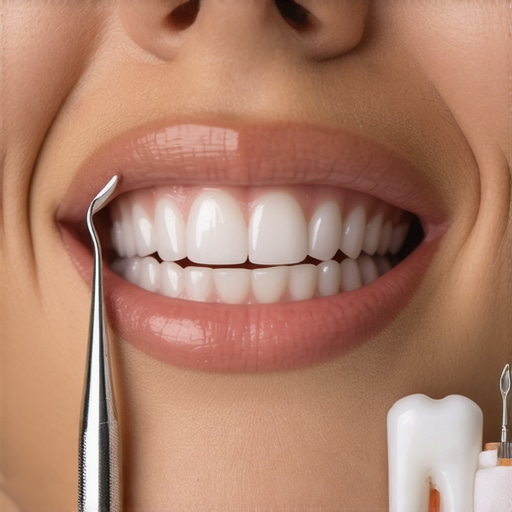
One evening, I found myself staring into the bathroom mirror, half-panicked. A wobbling tooth, loose and fragile, was staring back at me—an unexpected sign that I needed to act, not panic. But instead of calling my dentist right away, I hesitated, thinking I could just wait it out. Big mistake. That night, I learned a vital lesson about dental health—the hard way.
Why Ignoring a Loose Tooth Can Turn Into a Big Problem
In my case, what started as a minor wobble quickly escalated into discomfort and worry. Over time, I realized that the one thing you should never do when faced with a loose tooth is to try and force it out yourself or ignore it altogether. Doing so can cause unnecessary damage, lead to infection, or even cause loss of nearby teeth.
Is DIY Extraction a Good Idea or a Recipe for Disaster?
Trust me, I was tempted to grab tweezers and give it a yank—big no-no. I learned early on that attempting to remove a loose tooth on your own often results in broken roots or torn gums, complicating what could have been a simple dental visit. Instead, seeking professional guidance ensures safe and effective treatment, saving you pain and potential complications. Want to know more about how dental professionals handle loose teeth? Check out this article on crowns for a healthier smile.
Moreover, delaying proper care can risk infection or even abscess formation, which can be serious. A quick consultation with a trusted dentist can often determine whether the tooth can be saved or if extraction is necessary. Early intervention preserves your jaw health and prevents costly procedures later.
Have you ever faced a loose tooth and wondered what to do? You’re not alone. The key takeaway from my experience—and many others’—is that understanding what not to do is just as important as knowing the right action to take. Up next, I’ll guide you through the essential steps to handle a loose tooth safely and effectively, based on both my story and expert advice. Let’s get started on keeping your smile healthy and strong.
Assess the Situation Carefully
First, examine the loose tooth gently with clean hands, checking for pain, bleeding, or signs of damage. Remember, never yank or force the tooth, as this can worsen the injury. During one instance, I carefully wiggled my tooth with sterilized fingers, noticing that it was only slightly mobile and not causing bleeding. This initial assessment helps determine if professional care is needed immediately or if observation is enough.
Rinse Your Mouth to Reduce Bacteria
Use a warm saltwater rinse—dissolve half a teaspoon of salt in a cup of warm water—and swish gently for 30 seconds. This reduces bacteria, minimizes swelling, and prepares your mouth for further steps. Once, after a minor injury, I followed this rinse to soothe irritation and prevent infection before visiting the dentist.
Control Bleeding with Gentle Pressure
If bleeding occurs, place a clean, damp cloth or sterile gauze over the area and apply gentle pressure for 10-15 minutes. Do not disturb the clot; this is akin to pressing on a bleeding wound to stop the bleeding. I held the cloth steadily and noticed my gum stopping bleeding within minutes, buying time until I could see a professional.
Manage Pain and Swelling
Take over-the-counter pain relievers like ibuprofen or acetaminophen as directed. Applying a cold compress on the cheek near the affected area for 15-minute intervals can reduce swelling—think of it as mini ice packs, similar to icing a sprained ankle. Once, I pressed an ice pack wrapped in a cloth against my cheek, which significantly alleviated discomfort before my dental appointment.
Seek Immediate Professional Dental Care
Schedule an emergency visit promptly. Contact your family dentist or visit an emergency dental clinic. Explain your situation clearly, including the degree of mobility, pain level, and any bleeding. A dentist will determine whether the tooth can be saved or requires removal. During my visit, the dentist took an X-ray to check for root fractures and advised a treatment plan that could include splinting or crowns—procedures critical for preserving your natural tooth and preventing further issues.
Consider Restorative Options Like Crowns
If the tooth is stable but damaged, a crown might be recommended to restore strength and function. Think of a crown as a tiny helmet that encases your tooth, protecting it from further harm. My dentist explained that crowns are a game-changer in restorative dentistry, providing long-lasting results and maintaining your natural smile. If you’re curious about how crowns compare with veneers or other techniques, check out this guide on crowns versus veneers.
Follow Up with Proper Oral Hygiene
After initial treatment, maintain excellent oral hygiene practices—brushing gently, flossing carefully around the affected area, and using antibacterial mouthwash to prevent infection. Keeping your mouth clean is vital for healing and minimizing complications. Visiting a family dentistry practice that employs modern techniques can help you stay on track, as explained in this article on oral health trends.
Prevent Future Incidents
Wear a mouthguard during sports or activities that risk dental injuries. Regular dental checkups can catch potential problems early, reducing the risk of loose teeth. For many families, adopting new technologies like Invisalign can also align teeth properly, preventing uneven stress that leads to mobility issues. Discover more about the benefits of Invisalign in this article on Invisalign benefits.
Many people assume that all dental treatments and options are straightforward and universally effective, but in reality, there are nuanced misconceptions that can lead to suboptimal choices or even dental disasters. As an experienced family dentist, I’ve seen firsthand how common myths persist and how advanced mistakes can jeopardize long-term oral health.
Myth of One-Size-Fits-All in Restorative Dentistry
One widespread misconception is that crowns, veneers, or any restorative procedure are interchangeable or universally applicable. However, each case demands a tailored approach, considering factors like bite alignment, enamel quality, and patient lifestyle. For example, opting for veneers instead of crowns on a tooth with compromised structural integrity is a mistake many make, often leading to premature failure of the restoration. For a comprehensive comparison, check out this guide on crowns versus veneers.
Why Does Choosing the Wrong Restoration Lead to Trouble?
If you select an inappropriate restoration, you risk incomplete function, increased wear rates, and heightened sensitivity. Advanced techniques like custom crown design based on digital impressions can mitigate these errors. Many patients overlook the importance of precision in restorative work, but scientific studies affirm that digital workflows significantly improve fit and longevity.
Addressing the Complexity of Invisalign Beyond the Hype
While Invisalign is lauded for its convenience, many people underestimate its limitations and the nuances involved. For instance, Invisalign isn’t ideal for complex malocclusions or cases requiring significant rotations. An article on latest Invisalign innovations highlights how ongoing technological advancements are expanding its capabilities, but not replacing the need for expert evaluation.
Many assume Invisalign can fix all orthodontic issues without professional oversight, which is false. In fact, improper treatment planning can lead to root resorption, unwanted tooth movement, and relapse post-treatment. Prevent these pitfalls by consulting an experienced orthodontist who integrates digital planning tools for precise outcomes.
Why ‘Simple’ Oral Hygiene Isn’t Enough for Optimal Health
Brushing twice a day and flossing are the staples of oral hygiene, yet many overlook that improper technique or inadequate brushing duration can undermine defenses against decay and gum disease. Advanced biofilm removal techniques, such as interdental brushes and electric toothbrushes with timers, are game-changers. For fresh insights on modern hygiene practices, visit secrets of maintaining oral health with modern techniques.
Furthermore, emerging evidence suggests that personalized oral hygiene regimens, considering factors like saliva composition and individual susceptibility, have far better success rates than generic advice. Consult your family dentist to develop a tailored plan that accounts for your unique oral environment and prevents advanced issues before they start.
Don’t Fall Into the Trap of Cost-Cutting
Choosing cheaper or DIY solutions, whether in restorations or orthodontics, might seem economical initially but can be catastrophic over time. For example, DIY aligners or unlicensed whitening kits can cause irreversible damage, including enamel erosion or misaligned bites. Recognize that investing in professional care ensures not just immediate results but sustainable oral health, backed by decades of scientific research.
Incorporating modern advancements like digital scanning, 3D printing, and minimally invasive techniques has transformed family dentistry, making it more precise and patient-centered. Discover how these innovations improve outcomes by exploring why crowns are a game-changer in restorative dentistry.
Have you ever fallen into this trap of misconceptions or shortcutting your dental care? Let me know in the comments. Remember, understanding these hidden nuances can save your teeth and years of distress—so stay informed and proactive in your oral health journey!
,
Maintaining optimal oral health and ensuring the longevity of treatments like crowns or Invisalign requires more than just regular brushing. Having the right tools and adopting effective methods can make a significant difference in your dental journey. I’ll share some of the equipment and techniques I personally rely on to keep my family’s smiles healthy over the years.
Invest in an Electric Toothbrush with Guided Technology
I swear by advanced electric toothbrushes like the Oral-B Genius series, which feature oscillating-rotating technology combined with real-time coaching via smartphone apps. They target plaque more effectively than manual brushing, ensuring thorough cleaning even in hard-to-reach areas. The built-in timers also promote brushing for the recommended two minutes, preventing overlooked spots that can harbor decay. This technology helps my family maintain diligent oral hygiene, especially around delicate restorations like crowns or veneers.
Use Interdental Cleaning Devices for Gaps and Implants
While flossing is crucial, I prefer interdental brushes like the TePe lengthened brushes, which easily clean around dental bridges, crowns, and implants. Their small, firm bristles dislodge plaque from spaces that traditional floss might miss. Regular use prevents gum recession and keeps restorations intact for the long haul. For more personalized advice, your family dentist can recommend specific tools tailored to your needs.
Treat Yourself to a High-Quality Oral Scanner
Though not a tool for everyday use, digital scanners like the intraoral iTero enable precise checkups and planning. I’ve seen how digital impressions improve the fit of crowns and aligners, reducing the need for adjustments and enhancing overall results. Incorporating such technology into your routine can streamline maintenance and ensure any restorative work continues to perform flawlessly.
Leverage Digital Apps for Oral Health Tracking
Apps like Dentacare or MySmileMetrics help monitor brushing habits, remind you of dental appointments, and even track symptoms over time. These tools foster accountability, especially for busy families. They also serve as a motivator to stay consistent—a key factor in preventing future dental issues. I recommend integrating these digital solutions with your regular dental visits for a comprehensive approach.
Streamline Maintenance with Professional-Grade Water Flossers
From my experience, devices like Waterpik Ultra provide superior plaque removal around crowns and braces compared to traditional floss. Their pulsating streams reach deep into gum pockets, promoting healthier tissue and preventing periodontal disease. Regular use is essential for maintaining the integrity of complex restorations, especially as you progress through treatments like Invisalign.
Predict Future Trends
As technology advances, I anticipate customized oral care devices equipped with AI—smart toothbrushes that adapt to your unique brushing patterns and detect early signs of issues. Embracing these innovations now, like integrating digital scans and app-based tracking, will elevate your family’s long-term oral health management.
How do I maintain my dental tools over time?
Proper care extends the lifespan and efficacy of your tools. For electronic devices, regularly replace brush heads every three months, clean bases with alcohol wipes, and keep charging stations dry. Interdental brushes should be rinsed thoroughly after each use and stored in a dry place to prevent mold growth. Following manufacturer instructions ensures that your equipment functions optimally and prevents the buildup of bacteria that could compromise your oral health. Remember, investing in high-quality tools and maintaining them properly is part of a proactive approach that will pay off with healthier teeth and gums. Want to explore more about innovative tools? Check out the latest family dentistry trends on this page and consider trying an advanced digital scanner to personalize your treatments.
What I Wish I Knew Before Ignoring My Loose Tooth
- I learned that delaying professional advice can turn a minor wobble into a painful, costly problem, emphasizing the importance of timely dental visits.
- Trusting DIY solutions might seem tempting, but professional care ensures safety and preserves your natural teeth.
- Understanding my own bite and dental structure was key to knowing when a loose tooth required urgent attention versus simple observation.
- Realizing that modern family dentistry offers advanced options like crowns and Invisalign that can prevent such issues from arising in the first place was a game-changer.
- Practicing proactive oral health habits isn’t just about clean teeth—it’s about safeguarding your entire smile’s future.
Tools and Insights That Changed My Approach to Family Dentistry
- Intraoral scanners like the iTero helped me grasp the precision behind crowns and Invisalign, reinforcing why high-tech tools matter.
- My trusted family dentist gave me resources like detailed guides on crowns versus veneers, helping me make informed decisions.
- Books about modern oral health trends opened my eyes to evolving techniques that prioritize minimally invasive, durable solutions.
- Apps tracking habits kept me accountable, demonstrating how digital tools complement expert care for lasting results.
Keep Your Sparkle Alive: Take Action Today
Your family’s smile is a long-term investment—don’t leave it to chance. Embrace the lessons learned, leverage innovative tools, and stay proactive with your oral health. The future of a vibrant, healthy smile starts with small decisions made now. Are you ready to prioritize your family’s dental well-being and explore new possibilities for a brighter, healthier future? Share your experiences or questions below—together, we can keep those smiles shining brightly!