
How to Handle a Dental Emergency While Traveling
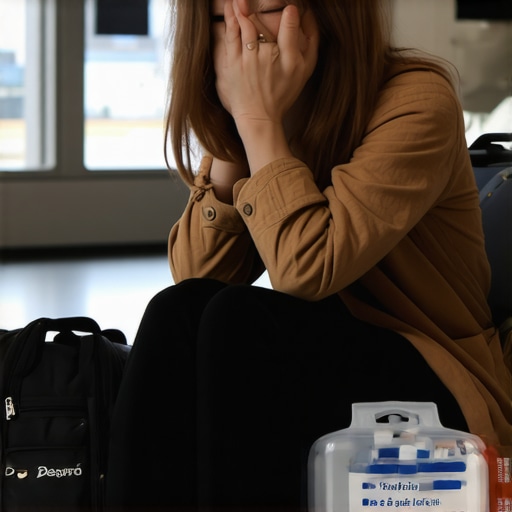
Ever found yourself biting into a crisp apple during a family vacation, only to feel that sudden, sharp pain in your tooth? That jolt of panic is something I know all too well. One summer, while exploring a new city with my kids, I cracked a filling on a piece of ice-cold lemonade. The shock, the anxiety—it’s a moment nobody wants, especially when they’re miles away from their trusted dentist.
That lightbulb moment hit me hard: What if a dental emergency happens when you’re traveling? It’s uncomfortable enough dealing with a toothache or a chipped tooth at home, but in an unfamiliar place? That can turn a fun trip into a stress-filled nightmare.
Today, I’m here to share what I’ve learned from my own experiences—and more importantly—how to handle a dental emergency while on the road. Whether you’re hiking in the mountains or visiting relatives across the country, knowing the right steps can save your smile and your sanity.
Why Preparation Can Make All the Difference
Handling a dental emergency without a plan is like trying to find your way in a storm without a map. When I first faced that cracked filling, I felt completely lost. I didn’t know what to do first, who to call, or how to find an emergency dentist nearby. The good news? With a little preparation, you can turn panic into action.
According to the American Dental Association, quick response to dental trauma can significantly influence the outcome and potential restorations. That little bit of foresight can mean the difference between saving a knocked-out tooth or losing it forever.
So, how do you prepare? First, keep an updated list of local emergency dental clinics in your travel destination. Apps and websites can help you find nearby professionals quickly. Also, pack a basic dental emergency kit—think of it as your first aid kit, but for teeth. It might include pain relievers, gauze, an extra denture or crown, and a small container with a lid to hold a knocked-out tooth.
Have you ever faced a dental emergency far from home? If so, you’ll know how overwhelming it can be. But don’t worry—by the end of this post, I’ll guide you through practical steps to handle these unexpected moments with confidence.
Now, let’s dive into what you should do right away if disaster strikes on your trip.When a sudden dental crisis occurs during your travels, remaining calm and taking immediate, decisive action can make all the difference. Here’s a step-by-step guide to effectively manage dental emergencies when you’re away from your regular dentist.
Assess the Situation Quickly
First, determine the severity of the problem. Is a tooth knocked out, chipped, or is there severe pain and swelling? For a knocked-out tooth, time is of the essence. Remember, a clean, moist environment can help preserve the damaged tooth for possible reimplantation.
Control Pain and Stop Bleeding
Use gauze or a clean cloth to apply gentle pressure to bleeding gums or a wound. For pain relief, over-the-counter analgesics like ibuprofen are effective. Do not place aspirin directly on the gums, as it can cause tissue irritation. If the pain is due to a cracked crown or filling, temporarily covering it with orthodontic wax or sugarless gum can reduce discomfort.
Protect the Tooth and Surroundings
If part of a tooth has broken off, try to retrieve and store it properly. A knocked-out tooth should be rinsed gently with saline or milk—never tap it or scrub it. Place it in a small container with milk or saliva, but avoid tap water, which can damage the tissue cells. This increases the chance of successful reattachment, akin to carefully preserving delicate equipment.
Find Nearby Emergency Dental Care Quickly
Use your smartphone to locate emergency dental clinics nearby. Search with terms like “emergency dentist near me” or directly access trusted sources. Keep a list of local providers handy in your travel documents or saved favorites. If possible, call ahead to confirm hours and whether they can accommodate walk-ins.
Follow Up with Professional Care
Even if the immediate pain subsides, scheduling an appointment is critical. Damage like chipped teeth or broken crowns can lead to further issues if left untreated. Remember, modern family dentistry employs techniques like crowns and Invisalign to restore health and function efficiently. For example, crowns can be a quick fix for damaged teeth, providing both protection and aesthetic enhancement under the right circumstances. To learn more about restorative options, visit this comprehensive guide to crowns.
Prevent Future Emergencies
Invest in regular checkups and preventive care, including sealants, fluoride treatments, and consistent hygiene routines. Maintaining your oral health reduces the risk of sudden crises, much like regular maintenance prevents breakdowns in machinery. Also, familiarize yourself with modern techniques like Invisalign which, besides aligning teeth, can help strengthen your smile’s resilience. Check out future innovations in family dentistry for greater insight.
Build Your Dental First-Aid Kit
Include essentials such as gauze, pain relievers, a small container for knocked-out teeth, and a copy of your dental history. Having these prepared can turn chaos into control when emergencies strike. Remember, quick, calm responses can preserve your smile and, more importantly, your confidence on the road.While many people believe they understand the basics of oral health and modern dental treatments, some widespread misconceptions can hinder proper care and lead to costly mistakes. Let’s explore some of these hidden nuances that even experienced patients often overlook.
One of the most persistent myths is that cavities and tooth decay are solely caused by sugar consumption. While sugar plays a role, current research highlights the importance of maintaining a balanced oral microbiome and regular professional cleanings to prevent decay effectively. Relying only on sugar-cutting diets ignores the significant influence of plaque bacteria and pH balance, which are critical factors in caries development. For detailed insights, consider reading about how modern family dentistry emphasizes preventative care beyond just diet modifications.
Many assume that once a crown is placed, no further maintenance is necessary. This is a dangerous oversimplification. Crowns are durable but not invincible; neglecting oral hygiene can lead to decay at the margins or gum disease around the prosthetic. Additionally, people often overlook the importance of choosing the correct crown material—whether porcelain, zirconia, or metal—each with its own nuances. For instance, zirconia crowns offer strength for molars but may not be ideal for front teeth due to esthetic considerations. Find out more about these distinctions in the comprehensive guides provided by experts in restorative dentistry.
A common misconception about Invisalign is that it’s only a cosmetic solution. However, modern aligners do much more than straighten teeth—they can also correct issues like bite problems, TMJ symptoms, and even prevent future wear and tear. An advanced understanding reveals that Invisalign’s SmartTrack material and attachments can influence jaw positioning, making it a functional treatment too. If you’re considering Invisalign, explore the latest innovations in the field, such as precision bites and mini-attachments, to optimize your results.
Speaking of advanced nuances, did you know that improper wear of aligners or crowns can accelerate structural damage? For example, inconsistent use of Invisalign trays can prolong treatment and cause unintended tooth movements—an issue that often surprises patients. Similarly, neglecting regular checkups after crown placement can lead to unnoticed issues like microleakage or secondary caries, which undermine the longevity of your restoration.
Another trap patients often fall into is assuming all dental providers offer the same quality of care. The truth is, selecting an experienced, specialized professional for crowns or Invisalign can drastically improve outcomes. For instance, an expert in high-quality crown fitting will pay attention to marginal integrity, occlusion, and material selection, reducing the chance of future complications. Don’t forget to review credentials and see if your provider upholds the latest standards, such as CAD/CAM milling or minimally invasive techniques.
In summary, understanding these nuanced aspects of oral health and dental treatments helps you make informed decisions and avoid common pitfalls. Stay curious—your smile deserves it! Have you ever fallen into this trap? Let me know in the comments, and share your experiences or questions.Maintaining a healthy, durable smile requires more than regular brushing—it hinges on having the right tools and optimized routines. Personally, I rely on a high-quality electric toothbrush with a pressure sensor and multiple modes, like the Philips Sonicare DiamondClean Smart, because it effectively removes plaque while safeguarding my gums, especially when I travel and might neglect some care routines. For flossing, I prefer water flossers such as the Waterpik Sonic-Fusion, which I find easier on my gums and more effective at cleaning below the gumline than traditional floss. Implementing these tools consistently not only enhances daily oral hygiene but also prolongs the lifespan of restorative work like crowns and implants. As family dentistry increasingly leverages laser technology and digital imaging, staying current with these innovations can dramatically boost long-term results. In the future, I predict a rise in smart dental devices that sync with smartphone apps, providing real-time feedback and personalized care tips, making oral health management more proactive than ever. How do I maintain my dental tools over time? Regularly replacing brush heads every three months, sterilizing water flossers, and having professional cleanings ensures optimal performance and hygienic standards. To deepen your understanding of modern maintenance practices, visit this resource on family dentistry trends. I strongly recommend trying out a sonic electric toothbrush with a pressure sensor—it’s a game-changer for maintaining the health of your crowns and Invisalign attachments, preventing premature wear and chipping. By investing in the right tools and keeping them in top shape, you’ll safeguard your investment in a beautiful, functional smile for years to come.Handling dental emergencies while traveling taught me lessons no brochure or guide could reveal. The first big insight was realizing that quick, calm action can turn a potential disaster into a manageable moment—something I wish I had known earlier. I also discovered the importance of building relationships with local dental providers before a crisis hits, which saved me precious time when I needed urgent care. Most surprisingly, I learned how resourceful and resilient I can be when empowered with basic knowledge and a prepared mindset. These lessons have transformed the way I approach my oral health, making me more proactive and confident in facing unexpected situations far from home. Trust me, embracing these insights can help you preserve both your smile and peace of mind on your next adventure.