
Why Your Gums Bleed Only When You Use an Electric Brush
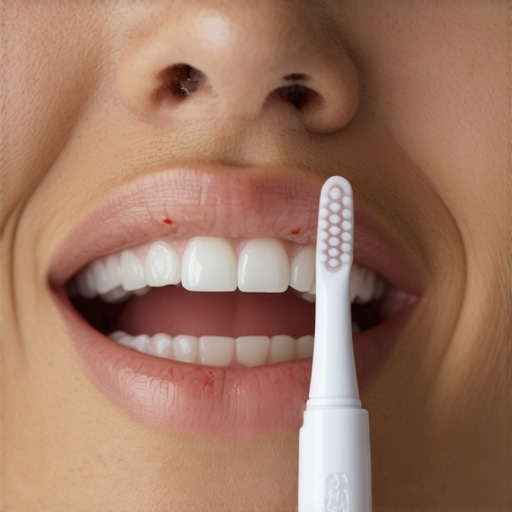
I remember the moment clearly—my reflection in the mirror showing blood after a routine brushing session. It was perplexing and a little frightening. Every time I grabbed my electric toothbrush, my gums would protest with bleeding. I wondered, ‘Is this normal? Am I damaging something?’ That lightbulb moment led me on a journey of discovery, and today, I want to share what I found out so you don’t have to go through the same uncertainty.
Unraveling the Mystery of Bleeding Gums and Electric Toothbrushes
Many folks experience occasional gum bleeding, but if it only happens when using your electric brush, you’re not alone. This quirky problem can feel like your oral health is playing hide-and-seek with you. But here’s the good news—it’s often manageable once you understand the underlying causes. My personal experience taught me to listen carefully to what my gums were telling me and to seek the right solutions.
Is This Normal, or Should I Worry?
I was early on guilty of making a common mistake—pressing too hard with my toothbrush, thinking I was cleaning better. Turns out, that’s a frequent culprit behind bleeding gums! Modern electric toothbrushes are designed to be gentle, but if you’re applying excessive pressure or have existing gum issues, bleeding can occur. Regularly brushing too vigorously can cause minor injury to delicate gum tissue, prompting bleeding. Research supports that correct technique is essential; according to the American Dental Association, soft strokes are most effective and safest for your gums.
If you’ve faced this problem, remember you’re not alone. Many people discover that adjusting their brushing habits makes a world of difference. For a broader look at maintaining healthy gums, you might find insights on top oral health tips helpful.
Understanding the cause is just the first step. The next involves practical adjustments to protect your gums while keeping your smile bright. Ready for the solutions? Let’s dive deeper.
Adjust Your Brushing Technique Immediately
Start by applying gentle pressure when brushing, especially with your electric toothbrush. I once noticed my gums bleeding after pressing too hard during my nightly routine. Using a soft-touch approach is like giving your gums a gentle massage rather than a scrub. Use the brush’s pressure sensor if it has one; it can alert you when you’re applying too much force. Practice slow, circular motions to clean effectively without injuring your delicate tissues. Over time, you’ll notice less bleeding and healthier gums.
Incorporate Proper Brushing Habits
Set a timer for two minutes to ensure thorough cleaning—many people rush, leading to gum irritation. Replace your toothbrush or electric brush head every three months to maintain optimal bristle softness, which minimizes risk of damage. Remember, your gums are like a delicate garden; they need gentle tending. For additional guidance, consult resources like top oral health tips for sustainable care strategies.
Introduce Soft and Gentle Interdental Cleaning
Flossing with a gentle touch helps prevent bleeding caused by aggressive techniques. Use waxed floss or soft interdental brushes to glide smoothly between teeth, avoiding harsh scraping. I once tried to floss vigorously and caused bleeding, but switching to a light, controlled motion stopped the bleeding quickly. Think of flossing like delicately sewing between threads—firm but gentle. Consistency in this step prevents plaque buildup and supports gum health.
Use Anti-Inflammatory Mouth Rinses
Integrate an alcohol-free, anti-inflammatory rinse into your routine to reduce gum swelling and bleeding. Over-the-counter options with chlorhexidine or natural remedies like warm salt water can soothe irritated tissues. I personally found that rinsing with warm salt water twice daily calmed my gums and sped up healing. This step is akin to watering a delicate plant—the right moisture promotes recovery and strength.
Seek Professional Inspection and Treatment
If bleeding persists despite these adjustments, schedule a visit with your dentist. Persistent bleeding can signal underlying issues such as gum disease or other oral health problems. Professional cleanings and assessments are essential at this stage. Remember, proactive visits are like regular health check-ups; they catch problems early. Book an appointment through our contact page and discuss your concerns openly. Neglecting professional advice can lead to more significant issues down the road, including the need for treatments like crowns or advanced periodontal therapy.
When it comes to dental care, many believe they understand the basics, but beneath the surface lie common misconceptions and overlooked nuances that can impact your results. For example, a widespread myth about Invisalign is that it’s just about aesthetics, but in reality, it also plays a vital role in improving bite function and long-term oral health. Interestingly, some patients underestimate the importance of consistent wear and proper cleaning of aligners, which experts agree is crucial for effective treatment and avoiding issues like cavities or gum irritation. Contrary to popular belief, more frequent adjustments or longer wear doesn’t necessarily speed up results; in fact, overdoing it can cause unnecessary discomfort or even damage the enamel. This reminds us that patience and adherence to your dentist’s guidelines are paramount.
Additionally, many assume that family dentistry is only about routine cleanings and fillings. However, top practitioners emphasize preventative care, which includes detailed assessments of your oral development, especially in children. Early detection of alignment or bite issues can save time and money later, yet some overlook this phase until problems become severe. Skipping routine visits or delaying treatment can lead to more complex procedures—like crowns—that aren’t merely cosmetic but serve critical functional purposes.
Speaking of crowns, a common mistake is to view them solely as restorations for broken teeth. In reality, crowns can significantly strengthen weak or damaged teeth, preventing further decay and improving overall oral health. The key is selecting the appropriate material and technique; for instance, porcelain crowns offer excellent aesthetics but may not be suitable for high-stress areas, whereas metal crowns provide durability. Choosing the right option requires expert consultation, which is why visiting a qualified family dentist is essential.
So, what about the advanced mistakes many overlook? One critical nuance is understanding the importance of substrate preparation before crown placement. Inadequate prep can lead to cement failure or marginal leakage, risking secondary decay. Studies show that precise preparation combined with proper bonding techniques dramatically enhances crown longevity—something only experienced practitioners master. It’s akin to building a house on a solid foundation: neglecting this can jeopardize the entire structure.
If you’re considering Invisalign or crowns, don’t fall prey to the misconception that DIY solutions or shortcuts suffice. Instead, invest in your oral health by consulting with specialists who employ the latest technology and evidence-based practices—like innovations in Invisalign treatment, which can be seen detailed in this insightful article. Remember, the devil is in the details, and understanding these subtleties ensures you make informed choices that support lifelong oral health.
Have you ever fallen into this trap? Let me know in the comments.
Keep It Working: Essential Tools for Lasting Oral Health
Maintaining your smile over the years requires more than just good habits; it demands reliable tools that support your daily routine and professional care. I personally swear by a few select instruments that have made a significant difference in my dental maintenance, especially when managing orthodontic treatments like Invisalign or crowns. These tools not only optimize cleanliness but also extend the lifespan of restorations and aligners.
Why I Trust an Electric Toothbrush with Pressure Sensors
One of my favorite investments has been a high-quality electric toothbrush featuring a built-in pressure sensor. This small device provides real-time feedback to prevent excessive force, protecting delicate gums and enamel. After switching, I noticed a marked reduction in gum irritation and better overall gum health. The sensor acts as a failsafe, ensuring you clean effectively without damaging tissue, which is critical for those with crowns or after periodontal treatment.
Invest in a Quality Interdental Cleaner
Superior interdental tools, such as soft silicone interdental brushes, have replaced traditional floss for me. They conform better to tight spaces and are gentler on gums, especially when you’re healing from or maintaining crowns. Regular use of these brushes prevents plaque buildup that can lead to decay around restorations and keeps gums healthy, prolonging the longevity of your dental work.
Advanced Software and Monitoring Apps
Digital tools now play a pivotal role in maintaining oral health. I recommend a reliable mobile app that pairs with your Invisalign aligners or dental appliances, providing reminders for wear time and tracking progress. Some apps even sync with portable intraoral cameras, allowing you to monitor hard-to-see areas and reinforce good habits. Embracing these tech solutions ensures consistency, which is key to successful long-term results.
Regular Professional Checkups with Specialized Equipment
Beyond home tools, periodic visits equipped with laser cavity detection and digital imaging allow for early intervention and preservation. Studies illustrate that integrating advanced diagnostic tools can catch issues before they become extensive, particularly around crowns and implants. Scheduling routine inspections—at least twice a year—can enhance durability and prevent costly repairs down the line. To explore how modern technology elevates family dentistry, check out the latest trends.
How Do I Maintain My Dental Tools for Maximum Effectiveness?
Proper maintenance of your dental hygiene tools is fundamental. Rinse toothbrush heads thoroughly after each use, replace electric brush heads every three months, and sanitize interdental brushes weekly. Storing tools in a dry, clean environment prevents bacterial buildup. Regularly inspecting and replacing aging components ensures your tools remain effective and safe, supporting extended use and better results.
Looking ahead, the future of oral health management points toward smarter devices that adapt to individual needs, providing personalized feedback and automated tracking. Technologies like AI-powered apps may soon offer real-time analysis and tailored recommendations, making maintenance even easier. For now, integrating high-quality tools into your routine is the best way to ensure your smile stays healthy and beautiful for years to come.
If you haven’t tried an electric toothbrush with pressure sensors or a digital monitoring app, now is the perfect time to upgrade your daily routine. These advanced tools can make a tangible difference, especially when managing complex restorations or orthodontic devices. Remember, consistent care backed by the right equipment is the secret to long-lasting oral health. To explore personalized recommendations and professional guidance, consider scheduling a consultation through our contact page.
Looking back on my experience with bleeding gums and the challenges of maintaining oral health, I realize that some of the most valuable lessons came from mistakes and discoveries along the way. These insights have reshaped my approach to dental care and can do the same for you.
What I Wish I Knew About Gum Care and Electric Brushing
- Gentle touch trumps brute force: Applying too much pressure while brushing, even with an electric toothbrush, can cause gum bleeding. Using a pressure sensor or practicing light strokes made a significant difference in my recovery and ongoing health.
- Consistency beats intensity: Brushing twice daily for two minutes, coupled with proper technique, maintained my gums’ resilience and prevented future bleeding episodes.
- Mind the tools you use: Replacing brush heads regularly and choosing soft interdental brushes helped me prevent plaque buildup around crowns and implants, extending their lifespan.
- Listen to your body: Persistent bleeding isn’t something to ignore. Seeking professional care early can uncover issues like gum disease before they escalate.
My Go-To Resources for Keeping Smiles Bright
- Top Oral Health Tips: Carefully curated advice that guides daily routines and helps me stay proactive.
- Why Crowns Are Vital: Learning about crown materials and placement options empowered me to make informed choices for durability and aesthetics.
- Invisalign Innovations: Staying updated on aligner technology helps me maintain my orthodontic results comfortably.
- Family Dentistry Trends: Embracing modern techniques keeps my family’s smiles healthy and vibrant.
Embrace Your Smiles and Take the Next Step
Deciding to prioritize your oral health is a gift you give yourself—and your loved ones. Whether it’s refining your brushing technique, exploring advanced tools, or scheduling professional checkups, every small step contributes to a brighter, healthier smile. Remember, the journey to optimal oral health isn’t a sprint but a rewarding marathon. Stay curious, stay gentle, and most importantly, stay committed to caring for your teeth and gums every day.
What’s one new habit you’re excited to try to improve your oral health? Share your thoughts below—I’d love to hear your journey!