
The One Flossing Habit That Pushes Bacteria Deeper Into Gums
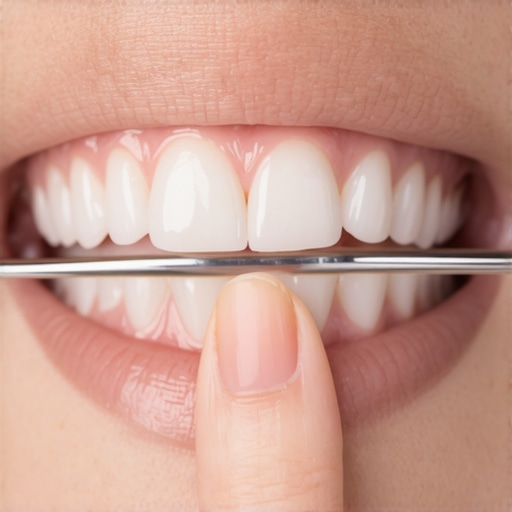
It was a morning like any other when I looked in the mirror and realized my gums looked a little puffy, a little inflamed. I had been flossing every day, or so I thought—until I learned I was doing it all wrong. It hit me: sometimes, our best intentions backfire, especially when it comes to oral health. That lightbulb moment changed everything for me.
The Hidden Danger in Your Flossing Routine
Many of us believe that flossing vigorously or snapping the floss between our teeth is the way to keep our gums healthy. But I discovered that one common habit could be unintentionally pushing bacteria deeper into the gum tissue, leading to more inflammation and even gum recession. If you’re experiencing bleeding gums or persistent soreness despite daily flossing, you might be falling into this trap too.
The good news? There’s a better way—and I’m here to share what I’ve learned from personal experience and expert advice. Proper flossing techniques can make all the difference, preventing bacteria from worsening your gum health instead of improving it.
Is Your Flossing Method Doing More Harm Than Good?
Let me be honest: I used to think that the more vigorously I flossed, the better. I would snap the floss down hard and aim for as many teeth as possible in a single pass. Turns out, I was actually damaging my gums and pushing plaque deeper into delicate tissues. This early mistake taught me to be gentle and mindful, which drastically improved my gum health.
According to dental professionals, the key isn’t just how often you floss but also how you do it. The goal is to remove plaque without harming the gum tissue—something I had to learn the hard way. You can see why proper technique matters, especially if you’re battling stubborn gum inflammation.
If you’ve been stubbornly sticking to your routine, it might be time to reassess. Want to find out more about common flossing mistakes and how to fix them? Check out this informative guide on [the proper way to floss](https://familydentistpro.com/the-flossing-technique-that-is-actually-hurting-your-gums) and see how small adjustments can lead to big improvements.
Understanding the right technique can help you avoid pushing bacteria deeper and prevent more gum damage. And this is just the beginning—next, we’ll explore the specific steps you can take to make your flossing routine safer, more effective, and ultimately better for your dental health. So, if you’ve ever wondered whether your flossing habits are helping or harming your gums, you’re not alone—and help is just a few paragraphs away.
Master the Gentle Technique for Optimal Results
Replace aggressive sawing motions with gentle, controlled slides, much like smoothing ruffled fabric instead of tearing through it. I recall a morning when I finally resisted the temptation to snap the floss like a rubber band; instead, I curved it around each tooth, moving carefully to dislodge plaque. The difference was immediate: my gums felt less irritated, and bleeding decreased substantially.
Position the Floss Correctly
Hold the floss firmly between your thumbs and index fingers, about one to two inches apart, then gently glide it into the space between your teeth, like threading a needle carefully through fabric. Use a gentle back-and-forth motion without forcing the floss, which could damage delicate gum tissue. I found that re-positioning the floss frequently ensured thorough cleaning without harm.
Use the Right Floss for Your Space
Choose unwaxed floss if your teeth are tightly spaced, similar to squeezing through a narrow gate, or pick waxed for easier gliding if your teeth are more spaced out. For crowded teeth, consider a floss pick or a water flosser—an advantage for those with limited dexterity. I experimented with different types, ultimately settling on waxed floss for comfort and efficiency.
Incorporate Flossing Into Your Routine Effectively
Schedule your flossing just before brushing, so loose debris is removed first, like sweeping away dust before mopping the floor. I established a nightly routine, turning it into a calming ritual—this consistency cemented the habit and maximized benefits.
Be Consistent and Mindful
Spend at least two minutes flossing—don’t rush through it as if on a conveyor belt. Focus on every tooth, especially the back molars, which tend to trap food like a hidden corner. I kept a timer on my phone to ensure I maintained enough time, noticing a gradual improvement in gum health over weeks.
Address Common Mistakes Before Damage Occurs
One frequent error is snapping the floss, which can cut or inflate gums, much like pulling a rubber band until it snaps. Instead, press gently downward and slide the floss smoothly into the gum line, hugging the tooth like a hug from a close friend. I found this simple shift reduced soreness and bleeding significantly.
Adjust as Needed for Special Cases
If your teeth are crowded, try a softer approach—use specialized floss like thin tape or an interdental brush. For implants or crowns, floss around the edges carefully, ensuring no bacteria hide beneath. Visiting a professional regularly helps identify issues early, preventing them from escalating.
Integrate Flossing With Your Broader Oral Care
Flossing is one part of a comprehensive routine that includes brushing twice daily, mouthwash, and regular dental checkups. Proper technique keeps your gums healthy and prevents issues like gingivitis or recession. For insights on how innovative techniques like [modern family dentistry innovations](https://familydentistpro.com/family-dentistry-secrets-maintaining-oral-health-with-modern-techniques-at-254-pm) can support your progress, explore the link.
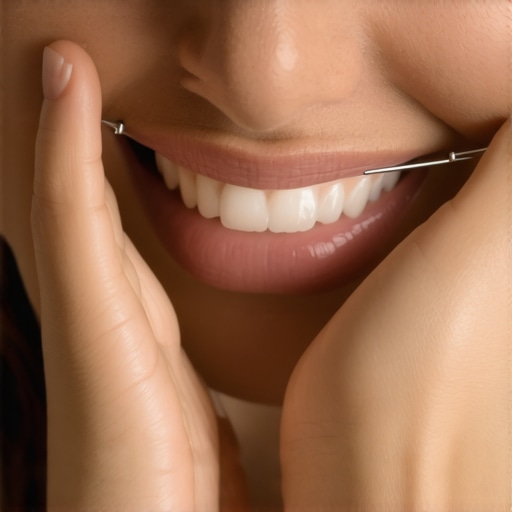 Many people assume that family dentistry is just routine cleaning and cavity filling, but in reality, there are nuanced misconceptions that can hinder proper oral health management. For instance, a common myth is that all dental crowns are created equal; however, the choice of material like porcelain or metal significantly impacts durability and aesthetic outcomes, as detailed in [this comprehensive guide](https://familydentistpro.com/the-ultimate-guide-to-crowns-for-a-healthier-smile). Beyond this, many believe Invisalign is merely a cosmetic solution, but recent innovations are transforming it into a comprehensive orthodontic tool capable of complex corrections, a topic explored in [Invisalign innovations](https://familydentistpro.com/invisalign-innovations-the-future-of-family-dentistry-revealed-at-1137-am).Maintaining your oral health over time requires more than just routine brushing and flossing; it demands the right tools and consistent care. As a family dentist committed to delivering durable, effective results, I recommend specific equipment and strategies that I personally rely on to ensure my patients’ long-term success. One essential device I use is the Waterpik Sonic-Fusion, which combines flossing and brushing into a single, efficient routine. The pulsating water stream dislodges plaque deep between teeth and along the gum line, especially beneficial for those with crowns or orthodontic appliances like Invisalign. I personally find that incorporating a Waterpik into daily routines reduces the risk of gum disease and enhances overall cleanliness.
For more precise cleaning around crowns or implants, I turn to interdental brushes, choosing sizes tailored specifically to each patient’s spacing. These tiny yet powerful tools can reach areas that traditional floss might miss, especially in tight spaces after restorative procedures. I prefer interdental brushes over traditional floss because they require less effort and are gentler on delicate tissues, reducing the likelihood of gum recession over time.
Technology continues to evolve, and I keep up by using intraoral scanners like the CEREC Omnicam for quick, non-invasive digital impressions. This saves time and significantly improves patient comfort while ensuring highly accurate restorations. The shift to digital has revolutionized the way we maintain crowns, bridges, and Invisalign treatments, making adjustments and follow-ups more efficient.
How do I maintain these tools over time? Proactive cleaning and regular checkups are vital. I thoroughly disinfect interdental brushes after each use and replace them every few months to prevent bacteria buildup. Digital devices like intraoral scanners are calibrated and updated regularly to keep their precision sharp. I also recommend patients’ tools be kept in dry, clean environments and inspected periodically for signs of wear or damage. Investing in quality maintenance preserves the effectiveness of these tools and ensures they continue to serve your long-term oral health goals.
Future trends suggest that smart toothbrushes equipped with AI will become more mainstream, offering real-time feedback and personalized dental advice. Embracing these innovations now can provide valuable insights and potentially prevent issues before they escalate. For a comprehensive understanding of how modern tech is shaping the future of family dentistry, check out the latest insights on [family dentistry trends](https://familydentistpro.com/family-dentistry-trends-improving-oral-health-for-all-ages).
Take action today by integrating a Waterpik Sonic-Fusion into your nightly routine and experience the difference high-tech tools can make in maintaining your smile’s health for years to come. Want to see how easy it is to upgrade your regimen? Visit our contact page to schedule a consultation and get personalized recommendations.
Over the years, I’ve come to realize that the most valuable lessons about family dentistry and oral health aren’t always found in textbooks or online articles—they’re often discovered through personal experience and honest reflection. These insights have shaped my approach and can do the same for you.
What I Wish I Knew When I Started My Oral Health Journey
- Slow and steady wins the race: I initially believed that vigorous flossing and brushing would accelerate my progress. Instead, I learned that gentle, mindful techniques protect my gums while effectively removing plaque. Patience and consistency have become my guiding principles.
- One size doesn’t fit all: My advice tailored to friends with crowded teeth, crowns, or Invisalign was different from what I followed myself. Recognizing individual needs and adjusting my routine prevented future complications and made my visits more productive.
- Prevention is more powerful than cure: Investing time in proper flossing and routine checkups now has saved me from costly, invasive procedures later. Early intervention truly is the secret to long-term oral health.
Tools and Resources That Changed My Perspective
- Invisalign myths guide: Breaking misconceptions helped me fully appreciate orthodontic options, leading to better decisions and happier smiles.
- Modern family dentistry techniques: Discovering innovative approaches enabled me to maintain oral health comfortably and effectively.
- Choosing the right crown: Understanding material options and proper care extended the lifespan of my restorations and boosted my confidence.
- Ultimate crown guide: This resource shed light on how crowns can improve both function and aesthetics, transforming my smile.
Seize Your Moment to Elevate Oral Care
Remember, taking proactive steps today—be it refining your flossing technique, exploring modern tools, or scheduling a routine checkup—can profoundly impact your family’s oral health for years to come. Embrace the learning process, experiment with new methods, and don’t hesitate to seek professional advice tailored to your specific needs. Your journey toward a brighter, healthier smile starts now.
What’s the single change you’re most excited to try in your oral health routine? Share your thoughts below and let’s motivate each other toward better smiles!