
The Best Toothpaste for Sensitive Teeth That Actually Works
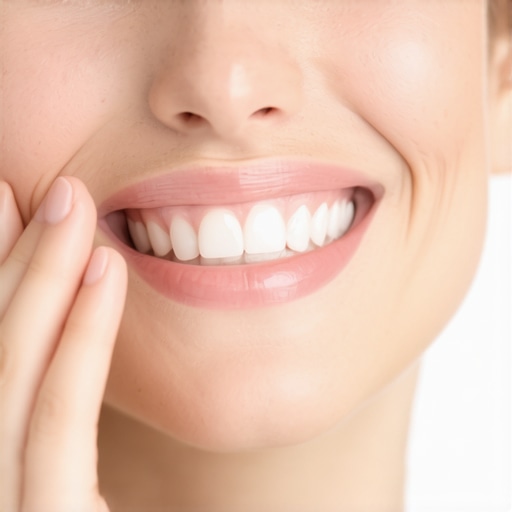
It was a Sunday morning when I finally hit my limit. As I reached for my coffee cup, a sharp jolt of pain shot through my front tooth. Frustrated, I realized that my usual toothpaste wasn’t cutting it anymore. Months of sensitivity had turned everyday habits into moments of dread. If you’ve ever felt that fiery sensation when eating ice cream or sipping hot coffee, you’re not alone. The quest for a toothpaste that genuinely alleviates sensitivity is more common than you think.
Why Sensitive Teeth Can Feel Like a Personal Battle
Many of us overlook the importance of choosing the right dental products until discomfort becomes unavoidable. Sensitive teeth are often caused by exposed dentin—tiny tubes that lead directly to nerves in your teeth. When these tubes are uncovered, even minor triggers like cold air or sweet foods can cause pain. Over time, ignoring this issue can lead to more serious problems, including decay or gum disease.
But here’s the thing—I’ve learned that not all toothpastes are created equal. In fact, I made the mistake early on of relying on popular brands that promised relief but never delivered lasting results. I was skeptical at first, unsure if a simple change in toothpaste could truly make a difference.
Fortunately, I discovered that the key lies in selecting a formula infused with potassium nitrate or stannous fluoride, proven to calm nerve endings and strengthen enamel. According to research published in the Journal of Clinical Dentistry, products containing these ingredients can significantly reduce tooth sensitivity within a few weeks of consistent use. That was a game-changer for me.
If you’re tired of wincing with every sip of cold water or feeling like your teeth are on fire from nothing, I understand your frustration. Today, I’ll walk you through my journey and share practical advice to help you find that honest-to-goodness effective toothpaste—and get back to enjoying your favorite foods without fear.
Now, before we dive into specific products, let’s address the biggest concern many of us have—do these toothpastes really work, or are we just buying into marketing hype? Let’s explore that next.
Shield Your Teeth with Crowns
When a tooth is severely damaged or decayed, a crown acts like a protective helmet. To start, schedule a consultation to discuss your needs and review your options. During the appointment, your dentist will prepare the affected tooth by removing decay and shaping its surface, much like trimming a tree branch to fit a new attachment. I’ll recall a messy afternoon where I watched the process unfold—drilling, filing, and then fitting the crown—resulting in a resilient new cover that restored my smile’s strength.
Choose the Right Material
Materials vary from porcelain to metal alloys. Porcelain crowns blend seamlessly with your natural teeth, perfect for visible areas, while metal options provide durability for molars. Consider your bite force and aesthetic preferences. A quick tip: for a long-lasting result, ask your dentist about the best material suited for your lifestyle and dental health, such as exploring metal fillings that might be weakening your teeth.
Transform Your Smile with Invisalign
If misaligned teeth bother you, Invisalign offers a discreet alternative to braces. The first step is a thorough consultation where a 3D scan maps your teeth accurately. I remember the moment my dentist explained the clear aligners—they’re like a custom-made set of invisible gloves for your teeth. The process involves wearing a series of aligners, each gently shifting your teeth into perfect position. During my own treatment, I learned that consistency is key—wearing aligners for 20-22 hours daily accelerates results and minimizes discomfort.
Maintain Proper Hygiene
Whether you opt for crowns or Invisalign, good oral hygiene amplifies their benefits. Brushing twice daily and flossing meticulously prevents plaque buildup that could undermine restorations. For Invisalign users, cleaning your aligners regularly prevents bacteria from accumulating, much like keeping your phone clean to avoid germs. Using a soft-bristled toothbrush and fluoride toothpaste helps protect tooth enamel, especially around crowns, reducing the risk of decay or damage. Check out which orthodontic solution fits your lifestyle for more insights.
Integrate Routine Checkups
Regular dental visits keep your restorations and alignment in check. During cleanings, your dentist examines crowns for signs of wear or damage—think of it as routine maintenance on your vehicle. Early detection of issues like loosening crowns or shifting Invisalign aligners can save you time and money. Remember, a healthy smile is a long-term investment, and professional guidance ensures you stay on course towards your ideal oral health. Want to learn about the latest family dentistry practices? Visit family dentistry trends to stay updated.Many assume that all dental procedures and family dental practices are straightforward, but in reality, there are nuances that often go unnoticed. For example, a common misconception is that crowns are merely cosmetic. In fact, they serve a crucial functional purpose in restoring tooth strength and preventing further decay, which is why understanding the various types and their specific benefits is essential. As highlighted in this article, crowns are truly a game-changer in restorative dentistry, offering durability and a natural appearance.
One overlooked detail is the importance of selecting the right crown material. Many patients opt for porcelain because of aesthetics, but for molars, metal alloys might provide more longevity. Misjudging this can lead to premature wear or even crown failure. Furthermore, a common myth is that crowns will last forever; however, they typically have a lifespan of 10-15 years, depending on oral hygiene and habits.
When it comes to Invisalign, a frequent mistake is believing it’s suitable for all orthodontic issues. While Invisalign is excellent for mild to moderate misalignments, severe cases may still require traditional braces. The misconception that Invisalign can do everything can lead to dissatisfaction with outcomes or the need for additional treatments. Read this comparison to learn more about selecting the right solution.
An advanced nuance few discuss is the importance of advances in material science. Newer aligner materials offer better comfort and stain resistance, which can significantly impact patient compliance. Additionally, digital scans and 3D printing have revolutionized treatment planning, leading to more precise and predictable results, as explained in this post. Recognizing these technical advancements ensures you don’t fall behind and can advise patients effectively.
A common ‘oops’ mistake is neglecting routine checkups after procedures. For example, even with crowns or Invisalign, ongoing monitoring is crucial to catch minor issues early before they escalate. Ignoring signs of crown loosening or subtle shifts in alignment can compromise long-term oral health. Regular professional evaluations are the safeguard against costly repairs and ensure your investment in dental health endures.
Finally, it’s vital to be aware that external factors—like habits such as teeth grinding—can shorten the lifespan of crowns and Invisalign appliances. Bruxism can exert excessive force, leading to cracks or displacement. Using night guards or seeking behavioral interventions can mitigate this risk, preserving your dental work longer.
In essence, understanding these nuances and misconceptions empowers you to make informed decisions and collaborate effectively with your dental care team. Have you ever fallen into this trap? Let me know in the comments. Staying informed ensures you maximize the benefits of contemporary family dentistry approaches.Keeping your dental work in top shape requires the right tools and consistent habits. Personally, I rely on a few key pieces to ensure my crowns, Invisalign, and overall oral health stay optimal. First, an ultrasonic toothbrush like the Philips Sonicare DiamondClean helps me remove plaque effectively without damaging restorations. Its sonic vibrations loosen debris gently yet thoroughly, which is essential around delicate crowns. For flossing, I prefer Water Flossers such as the Waterpik Ultra, especially for cleaning around Invisalign aligners and crowns, as they reach areas traditional floss often misses and reduce gum irritation. Additionally, using interdental brushes designed for wide gaps ensures that no plaque accumulates in hard-to-reach spots without harming delicate tissues. To monitor my oral health more proactively, I employ digital intraoral cameras like the DEXIS CariVu which visually detects caries and issues beneath restorations early, preventing costly repairs down the line. As we look ahead, emerging technologies like AI-powered dental diagnostics will further personalize care, making maintenance even more accessible and effective.
How do I maintain my dental tools and ensure long-term results?
Regular replacement of brush heads and flosser tips is crucial to avoid bacterial buildup. I also schedule routine professional cleanings, typically every six months, to catch any issues early and keep my crowns and aligners in prime condition. Integrating these tools into my daily routine has significantly extended the lifespan of my restorations and improved my oral health overall. For tailored advice, consult your dentist or explore trusted sources like this insightful article on crown longevity: Why Crowns Are a Game Changer in Restorative Dentistry. Invest in quality tools and stay consistent; over time, the results speak for themselves. Don’t forget, using advanced diagnostics like intraoral cameras can reveal issues before they become severe, so I recommend trying one of these tech-savvy devices to monitor your health more precisely.
Lessons Only Top Dentists Share About Crowns and Invisalign
One lesson I learned the hard way is that trusting convenience over research can cost you in the long run. For instance, I once chose a cheaper crown without considering its material, which led to premature wear and discomfort. Now, I understand that understanding material nuances and maintenance routines is crucial for long-lasting results. Additionally, I discovered that seemingly minor habits like improper cleaning around crowns can lead to decay, emphasizing the importance of personalized oral hygiene routines.
Another insight was realizing how technological advances, such as digital scans for Invisalign, significantly boost treatment precision and comfort. Missing out on these innovations in other areas could mean longer, more frustrating journeys to a healthier smile. Lastly, I found that open communication with your family dentist—asking questions and expressing concerns—can uncover solutions tailored specifically to your oral health needs, preventing small issues from becoming major problems.
Tools and Resources That Changed My Dental Game
To elevate my family’s oral health, I started using a Sonicare DiamondClean toothbrush, trusted for its gentle yet effective plaque removal—especially around crowns. Pairing that with a Waterpik Ultra water flosser has transformed my daily cleaning routine, reaching deep into hard-to-access areas without damaging restorations. Additionally, knowledgeable websites like this article have provided me with clarity on crown longevity and how to care for different materials.
For ongoing maintenance, I rely on intraoral cameras like DEXIS CariVu to catch early signs of wear or decay under restorations. These tools empower you to be proactive about your dental health and make informed decisions. Lastly, books such as ‘The Ultimate Guide to Crowns for a Healthier Smile’ have deepened my understanding of restorative options, encouraging me to pursue care that aligns with my lifestyle and aesthetics.
Embrace Your Dental Journey Today
Your family’s smile is worth every effort. Whether it’s exploring new technologies, improving oral hygiene habits, or seeking the right family dentist, every step you take today builds a healthier tomorrow. Remember, proactive care and informed choices aren’t just about aesthetics—they’re about safeguarding your overall well-being. Your journey to a confident, healthy smile starts now. Ready to take the next step in your family dentistry adventure?