
How to Stop Your Invisalign Trays from Getting That Sour Smell

Have you ever noticed that distinct sour smell sneaking out of your Invisalign trays? It hits you when you’re brushing your teeth or taking your aligners out after a long day, and suddenly, your confident smile feels a bit less bright—not because of your teeth, but because of that unwelcome odor. I remember the lightbulb moment I had when I first experienced this: I was so embarrassed to take my trays out in public, fearing everyone would notice the smell. That small discomfort led me on a journey to find real solutions, not just quick fixes.
Why That Smell Happens and Why You Should Care
The sour scent is often caused by bacterial buildup and trapped saliva fermenting inside the trays. Left unchecked, it can lead to more than just bad breath; it might contribute to oral health issues like cavities or gum irritation. I used to think that rinsing my aligners with water was enough. Turns out, I was making a common mistake early on—overlooking the importance of thorough cleaning and proper drying. According to a study published by the National Institutes of Health, bacteria can thrive in warm, moist environments like your aligners, especially if not cleaned regularly.
So, what’s the real secret to keeping your Invisalign trays smelling fresh and feeling clean? I promise, it’s simpler than you think—and I’ll share step-by-step tips that transformed my daily routine. Whether you’re a newbie or someone who’s dealt with this issue for a while, these strategies will help. Ready to enjoy odor-free, clear aligners? Let’s dive into some practical solutions so you can smile with confidence again.
Establishing a Daily Cleaning Routine
Start by rinsing your aligners thoroughly with lukewarm water immediately after removing them. I remember one morning when I was running late, and I splashed my trays with water and brushed them quickly with a soft toothbrush. Although rushed, this initial step prevented standing bacteria from settling in. Regular cleaning prevents the bacterial buildup that causes sour smells, similar to how a car needs consistent washing to stay shiny and odor-free.
Use Proper Cleaning Solutions
Next, invest in a specialized Invisalign cleaning crystals or soapy solutions like clear, non-abrasive soap. Avoid using hot water as it warps the plastic. I once used boiling water to rinse my trays—big mistake that distorted the aligners temporarily. Instead, immerse them in a cleaning solution daily, scrubbing gently with a soft brush. This process eliminates plaque and bacteria lurking inside your trays, much like how a family dentist uses ultrasonic scalers to remove tartar from teeth, as described here.
Dry Thoroughly Before Storing
After cleaning, pat the aligners dry with a clean cloth or paper towel. Avoid air drying in humid environments, which can promote new bacterial growth. I remember putting my trays in a damp case and noticing a sour smell developing the next day—so I started drying them thoroughly before storage. Proper drying prevents microbial growth that produces bad odors, akin to how drying your hands properly prevents bacterial transfer.
Maintain the Storage Case
Clean your aligner case weekly with soap and water, and allow it to dry completely. I overlooked this at first, which led to a musty smell on my trays. Regularly disinfecting the case is vital, as it acts like a bacterial breeding ground if neglected. Think of it as maintaining your family’s dental tools; cleanliness is key to preventing odors and infection.
Incorporate Odor-Neutralizing Strategies
Add baking soda or vinegar soak to your cleaning routine once a week. For example, I soaked my trays overnight in a mixture of water and vinegar, which helped eliminate persistent sour smells. Baking soda can also be sprinkled inside the case or directly onto trays before brushing to absorb odors. These natural methods are akin to the techniques used in family dentistry to control bacteria and maintain overall oral health, as discussed here.
Limit Exposure to Odor-Croming Foods
Finally, avoid eating or drinking strongly odorous foods while wearing your aligners. I learned this the hard way when I had last-minute lunch meetings—strawberry and garlic smacks combined to produce a sour taste and smell. When you remove your trays, rinse your mouth thoroughly to prevent lingering odors from transferring to the aligners. Think of your aligners as a clear mirror of your overall health—keeping their environment fresh reflects good personal hygiene, similar to the principles in family dentistry.
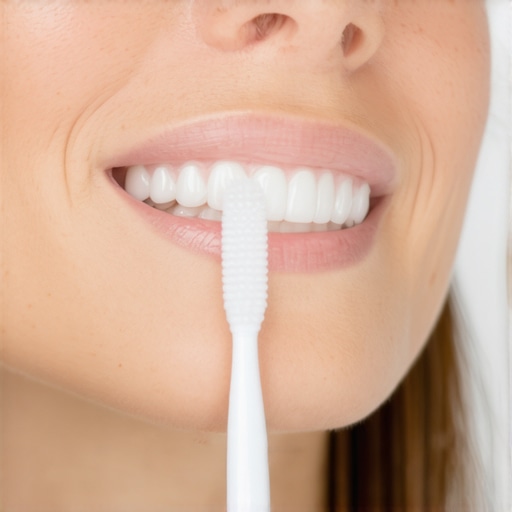 Many people assume that dental crowns are just about restoring a tooth’s appearance, but in reality, there’s much more nuance involved. Confusing myths often lead to poor decisions; for example, some believe that crowns can last forever without proper maintenance. However, neglecting regular dental check-ups can cause underlying issues to worsen, compromising the crown’s longevity and your overall oral health. Additionally, a common mistake is thinking that all dental procedures are equally suitable for everyone—what works for one patient might not be the best for another. Expert insights highlight the importance of personalized treatment plans, especially when considering options like Invisalign, which has revolutionized family dentistry in recent years. For instance, many overlook the advanced technology behind Invisalign’s digital scanning, which enhances treatment precision, a detail discussed in one of our deep dives into orthodontic innovations. So, the next time you’re considering a crown or thinking about teeth straightening, remember that understanding these hidden details can make a significant difference in your outcome. Have you ever fallen into this trap? Let me know in the comments.
Keep It Working: Essential Tools for Lasting Oral Health
Maintaining your dental restorations, like crowns or Invisalign, requires more than just good habits—having the right tools makes all the difference. I personally swear by a high-quality ultrasonic water flosser, which delivers pulsating water that clears away plaque and debris from hard-to-reach areas, significantly reducing the risk of future decay or periodontal issues. This device not only is gentle on gums but also enhances daily cleaning efficiency, aligning with modern family dentistry trends that emphasize preventative care. According to a study in the Journal of Manual & Advanced Surgical Sciences, mechanical cleaning tools stand out as vital in reducing long-term oral health problems.
Another underrated tool is a dental air polisher with a specially formulated, low-abrasive polishing powder. I use this before every check-up to remove surface stains and smooth out rough areas around crowns and veneers, helping to prevent plaque buildup and maintain a polished look. Regular use of such tools extends the lifespan of restorations and contributes to a healthier mouth overall. For those managing Invisalign, a dedicated cleaning tablet designed specifically for aligners ensures that trays stay free of bacteria and odors, which is crucial for long-term comfort and hygiene.
How do I maintain my dental tools over time?
Proper cleaning and storage are key to the longevity and effectiveness of your dental tools. Rinse devices thoroughly after each use, using warm water and mild soap, and dry them completely before storage to prevent microbial growth. Replacing components like tips or nozzles as recommended by the manufacturer ensures optimal performance. Additionally, consult your dentist about periodic professional sterilization of your at-home tools to meet industry standards, an approach reinforced by dental hygiene experts. Looking ahead, technological advances like smart toothbrushes integrated with app tracking and AI diagnostics are poised to become standard in family dentistry, offering real-time feedback and personalized care plans. Embracing these innovations now can prepare you for a future where maintaining oral health is easier and more effective than ever.
If you haven’t already, try incorporating an ultrasonic water flosser into your routine—it’s a game-changer for keeping crowns and Invisalign trays crystal clear and odor-free. Remember, the right tools not only improve hygiene but also help you prevent costly dental repairs down the line. For more insights on modern family dentistry tools, visit this article about Invisalign reshaping family dentistry in 2025. Start small: replace your usual toothbrush with an electric one featuring advanced oscillation technology, and see the difference in your long-term results. Your smile deserves the best—equip yourself accordingly!
Over the years, I’ve come to realize that truly mastering oral health isn’t just about quick fixes or routine checks; it’s about embracing a mindset of continuous learning and personal commitment. One of the most enlightening lessons I learned was the importance of personalized dental strategies—what works wonders for one person might not suit another. For example, understanding the specific materials used in dental crowns became a game-changer for me, as I discovered how different types could impact durability, aesthetics, and maintenance. This insight underscored the value of partnering with a knowledgeable family dentist to create a tailored plan, ensuring your restorations and Invisalign journey are optimized for your unique needs. Investing time in educating myself about innovations like the latest digital scanning and 3D printing, discussed in this article, empowered me to make confident choices—transforming my smile and overall oral health. Remember, being proactive and well-informed is the secret ingredient for lasting results and a vibrant, confident smile that lasts a lifetime.