
Why One Tooth Is Darker Than the Rest After a Hit
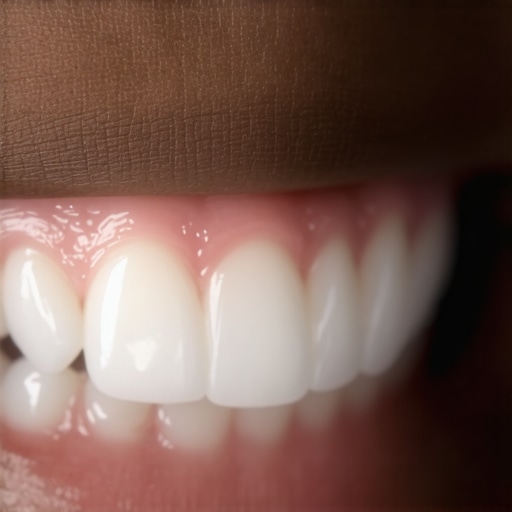
One moment, you’re bracing for a friendly tackle or a clumsy stumble, and the next, you notice it—your once bright smile now has a single tooth that looks darker, almost as if it’s hiding a secret. I remember the sinking feeling that hit me when I saw that darkened tooth after a minor accident. At first, I brushed it off, thinking it was just a shadow or staining, but the more I looked, the more I realized something wasn’t right. It’s a gut-wrenching feeling many of us share when we see our own reflection and notice these subtle, yet alarming changes.
How a Little Impact Can Lead to Big Dental Changes
I’ve been in the family dentistry field long enough to see how common it is for people to overlook the significance of a hit to the mouth. An accidental blow can cause internal bleeding within the tooth, leading it to turn darker over time. What’s tricky is that this darkening isn’t always immediate. Sometimes, it takes days or weeks before the tooth’s color shifts noticeably, which can leave you puzzled and worried. This phenomenon isn’t just cosmetic; it can also suggest underlying damage, like pulp necrosis, which might need prompt attention to prevent further complications.
Several factors influence whether a knocked tooth turns darker, including the severity of the trauma, the tooth’s position, and your overall dental health. The key point here is that this discoloration often indicates the death of the nerve inside the tooth, meaning you could be facing root canal treatment or other restorative procedures. Ignoring it can lead to infection, pain, or even loss of the tooth—yikes!
I want to share a quick bit of insight from a recent study I came across, stating that roughly 50% of dental traumas resulting in discoloration may also involve nerve death if left untreated (source: familydentistpro.com). So, understanding why this happens and catching it early can save you a lot of pain, time, and money in the long run.
If you’ve ever experienced a blow to the mouth and noticed a darker spot emerging afterward, you’re not alone. And here’s the good news—there are clear steps you can take to address it. But it all starts with recognizing the problem and knowing when to seek professional advice. Up next, I’ll walk you through why that dark tooth isn’t just a stain—it’s a sign your mouth is trying to tell you something serious, and it’s time to listen.
Why You Should Pay Close Attention to Tooth Discoloration
Act Quickly to Assess the Damage
As soon as you notice a darkening tooth after an injury, schedule a dental exam without delay. Use the online contact form at Family Dentist Pro to book an urgent appointment. I recall a time when a patient came in within 24 hours of a hit to the mouth; early assessment revealed internal bleeding, and prompt treatment prevented further complications.
Identify the Discoloration and Its Pattern
Check whether the darkening is localized or spread across multiple teeth. Take clear photos to show your dentist. This helps them determine if the discoloration is due to superficial staining or internal damage. I once had a case where a patient thought it was just a stain, but high-resolution photos disclosed a subtle internal bleed that required immediate intervention.
Understand Whether You Need Professional Imaging
Request digital X-rays to evaluate the pulp and root structure. These images act like internal maps, revealing fractures or nerve damage not visible externally. During my practice, using digital radiography has cut down diagnosis time and improved treatment precision significantly.
Explore Conservative and Restorative Options
Monitoring or Immediate Treatment
If the pulp remains vital, your dentist might choose to monitor the tooth with regular check-ups. However, if nerve death or infection is detected, immediate root canal therapy becomes essential. Think of a root canal as piping in a house—eliminating the damaged or infected area to save the entire structure.
Consider Crown Placement for Protection
If the tooth has structural damage or is weakened, placing a crown may be necessary. For example, crowns act like a sturdy helmet, protecting the compromised tooth from further harm and restoring its function. I suggest visiting this resource for insights on crown benefits.
Addressing Discoloration Through Restorative Procedures
If the tooth’s internal structure is irreparably damaged, consider cosmetic restorations like veneers or crowns to improve appearance. These procedures function much like a face-lift for your smile, restoring not just functionality but also aesthetics. I’ve seen patients transform their confidence after such treatments, which can be explained in detail on this guide.
Maintain Oral Health While Healing
During recovery, avoid hard or sticky foods that could further harm the affected tooth. Use prescribed fluoride rinses or antibacterial mouthwashes recommended by your dentist. Consistent oral hygiene acts as the foundation that supports all restorative efforts, preventing additional issues down the line.
Remember Your Follow-Ups
Schedule regular check-ups to monitor the tooth’s healing process. Persistent or worsening discoloration may signal unresolved issues requiring additional procedures. In my experience, close follow-up ensures long-term success and preserves your natural smile.
Many patients assume that Invisalign treatment is a quick fix for crooked teeth, but in reality, it requires careful planning and understanding of the nuances involved. A common myth is that Invisalign can correct any bite or misalignment without considering the complexities of individual dental structures. As an experienced family dentist, I’ve seen patients disappointed when expectations don’t match results because they overlooked these subtleties. For instance, certain malocclusions respond better to traditional braces or might even necessitate crowns or other restorative work to achieve optimal outcomes. Research shows that Invisalign’s effectiveness heavily depends on the severity of misalignment and patient compliance (source: familydentistpro.com/invisalign-myths). Therefore, an honest assessment from your dentist can save you time, money, and frustration.
Are Crowns Only for Restorative Purposes?
Contrary to popular belief, crowns serve both functional and aesthetic roles, but many people undervalue their importance in comprehensive dental care. A crown isn’t just a cover for a damaged tooth; it can also provide structural support and prevent further deterioration. For example, in cases of significant decay or after root canal therapy, a crown acts like a sturdy helmet, protecting the underlying tooth from future damage. Interestingly, some patients think crowns are purely cosmetic, but as outlined in this resource, they are vital for extending the lifespan of compromised teeth. Advanced techniques, such as full ceramic crowns, blend strength with aesthetics, making them an essential tool in modern family dentistry.
Another mistake many make is assuming that all crowns are created equal. The choice of material, the precision of fitting, and the expertise of your dentist influence the longevity and success of the treatment. Opting for a poorly fitted crown or one made from subpar materials can lead to problems like recurrent decay or gum irritation. Therefore, when considering crowns, it’s crucial to select a skilled provider, as discussed in this guide. Making informed decisions ensures your investment enhances both oral health and confidence.
Why Do Family Dentists Focus on Whole-Child and Adult Care?
This might seem obvious, but many patients underestimate the comprehensive scope of family dentistry. It’s not just about treating cavities; it’s about fostering lifelong oral health habits, screening for oral diseases, and tailoring treatments for all ages. My experience tells me that early interventions, such as sealants for children or early orthodontic assessments, can prevent more extensive problems later. For example, staying up-to-date with latest trends helps practitioners deliver preventative and restorative care efficiently. Recognizing this broader role can empower patients to prioritize regular check-ups, ultimately saving them from more invasive procedures down the line.
Remember, the key to effective oral health management is honesty about what treatments can truly help. Don’t fall for the misconception that quick fixes replace comprehensive care. Instead, consult with a skilled family dentist who understands these nuances and can craft a plan tailored to your needs. Have you ever fallen into this trap? Let me know in the comments and share your experience!
Maintaining your dental health over the years demands more than just brushing and flossing; it calls for precision tools and smart techniques that support your ongoing oral health journey. As a family dentist dedicated to personalized care, I rely on specific equipment and methodologies that ensure my patients continue to enjoy healthy smiles long after treatments like crowns or Invisalign. In this article, I’ll share some of my go-to tools, how they contribute to durable results, and where the future of dental maintenance is heading.
How do I keep my dental work functional and beautiful over time?
One essential piece of equipment in my arsenal is the ultrasonic scaler. Unlike manual flossing, which removes surface plaque, ultrasonic scalers vibrate at high frequencies to break down plaque and tartar more effectively, especially in hard-to-reach areas. Personally, I find that regular use of ultrasonic devices during check-ups extends the lifespan of restorations and prevents early decay around crowns and implants. Growing trends indicate that integrating these technologies into routine family dentistry not only improves oral health outcomes but also minimizes invasive interventions, promising a more sustainable approach for families.
Another must-have is digital intraoral scanners. These replace traditional, gooey impression materials, providing precise, 3D digital models of your teeth. This accuracy helps in creating perfectly fitting crowns, veneers, or Invisalign trays that are less prone to chipping or loosening—issues that often arise with poorly fitted restorations. I personally prefer these scanners because they streamline the appointment process and significantly improve patient comfort, all while boosting the longevity of restorative work. As technology advances, I expect digital impressions to become the standard, reducing errors and improving long-term results.
What about AI and software that support treatment planning?
Cutting-edge AI-powered treatment planning software is transforming how I approach complex cases. These platforms analyze thousands of patient records to optimize treatment sequences, predict potential issues, and customize maintenance schedules. For example, they can suggest optimal intervals for professional cleanings to counteract plaque buildup on restorations, a crucial factor in avoiding recurrent decay or crown failure. Incorporating such software helps me craft personalized, long-term care plans that adapt as your mouth changes, ensuring your investments in restorative or orthodontic treatments remain effective decades down the line.
Looking ahead: the next decade of dental tools
Advanced diagnostics, like smart sensors that monitor pH and bacterial levels in real-time, are on the horizon. These devices can alert patients to early signs of decay or gum issues before noticeable symptoms develop, making preventive care more proactive than ever. Additionally, emerging self-cleaning crowns embedded with antimicrobial properties could revolutionize restoration longevity by continually fighting plaque. Staying abreast of these innovations means your dental team can maintain your smile with unprecedented precision and confidence, ultimately reducing the frequency and complexity of future procedures.
How do I maintain my dental health tools over time?
Proper maintenance of your personal and professional tools is vital. For instance, replace your electric toothbrush head every three to four months or sooner if bristles fray. Regularly sterilize your dental instruments, including any home whitening devices, with approved disinfectants. I also recommend investing in high-quality whitening or cleaning solutions recommended by your dentist to keep your tools effective and safe. A well-maintained toolkit ensures your home regimen complements your professional treatments, and that restorations like crowns or veneers remain in excellent condition for many years.
In conclusion, integrating the right tools with innovative methods empowers you to uphold your smile’s health longer. Try adopting the practice of regular ultrasonic cleanings or exploring digital impression options—the benefits are immediate and long-lasting. Remember, the future of dental maintenance isn’t just about fixing problems but preventing them, supported by technology and expert care.
For example, a study published in the Journal of Dental Research emphasizes how AI and smart diagnostics can predict issues before they manifest clinically, drastically reducing the need for invasive procedures (source). Be proactive with your dental health—schedule your next check-up and discuss these innovative options with your family dentist.
What I Wish I Knew Before Facing Dental Discoloration
One of the most eye-opening moments in my career was realizing how easily a minor trauma can lead to long-term dental issues. The darkening of an otherwise healthy tooth taught me the importance of early detection and proactive care, something I now emphasize with every patient. Recognizing that discoloration isn’t merely aesthetic but a red flag can save you from complex procedures down the line.
Why Waiting Can Cost More Than You Think
I’ve learned that delays in addressing dental trauma often lead to irreversible damage. A prompt evaluation, especially if you notice any discoloration after an impact, can prevent nerve death and preserve your natural smile. Investing time in early assessment is always worth it—I wish I had understood that sooner.
The Power of Advanced Technology in Accurate Diagnosis
Integrating digital X-rays and intraoral scanners into my practice revolutionized the way I identify hidden issues. These tools help in detecting internal damage that’s invisible to the naked eye, ensuring no problem slips through unnoticed. From my experience, leveraging such technology leads to more durable and successful restorations.
Personalized Care Is the Key to Longevity
Every patient’s situation is unique, which is why tailored treatment plans made all the difference in my practice. Whether it’s choosing between a crown or veneer or deciding on monitoring versus intervention, personalized care ensures better outcomes. Remember, what works for one person might not suit another—listen to your dentist’s expert advice.
Embracing the Future of Dental Maintenance
The future holds exciting innovations—from AI-powered treatment planning to smart sensors monitoring oral health in real time. Staying informed about these advancements can empower you to take control of your dental health proactively. I encourage you to keep exploring new tools and techniques that can help maintain your smile for years to come.
My Essential Toolkit for Staying Ahead in Dental Care
Trusted resources like the family dentist’s comprehensive guides and cutting-edge equipment such as ultrasonic scalers and digital impressions have been game-changers in my practice. These resources and tools are what I rely on to ensure long-lasting results and patient satisfaction.
Your Turn to Take Action Safely and Confidently
Remember, your dental health is an ongoing journey that benefits immensely from early detection, personalized care, and embracing new technology. Don’t wait for small issues to become big problems—take charge today and consult with a professional who stays ahead in the game of family dentistry. Your future self will thank you for the proactive choice.
Have you ever hesitated to seek treatment after noticing a dark spot on your tooth? Share your experience below and let’s start a conversation about the importance of prompt action in dental health.