
How to Fix That Annoying Whistle in Your Invisalign Speech

I’ll never forget the first time I noticed my words sounded quirky — like I was trying to speak through a tiny, persistent whistle. It was during an important family gathering, and instead of confidently sharing a joke, I stumbled over my words, feeling self-conscious about that high-pitched distraction. Turns out, many Invisalign wearers face this exact frustration, and I was no different. That lightbulb moment made me realize: this issue isn’t just about speech; it’s about confidence, comfort, and making the most of your smile journey.
Why That Whistle Can Ruin Your Confidence and How to Tackle It
Have you ever caught yourself wondering if your speech sounds off, only to realize it’s that pesky whistle from your Invisalign aligners? You’re not alone. This sound can be embarrassing, especially when you’re trying to speak confidently in meetings, dates, or even casual conversations. But here’s the thing — it’s more common than you might think, and there’s a good chance you can fix it without costly visits or complicated procedures.
The primary cause of this whistle is usually a misfit in the aligners, causing air to escape in a way that creates that high-pitched noise. When I first tried to ignore it, I made the mistake of just waiting it out, hoping it would go away on its own. Spoiler alert: it didn’t. Instead, I learned that small adjustments can make a huge difference, and I want to share those insights with you. Addressing this issue promptly can help you regain your speech clarity and, more importantly, your confidence.
Is the Whistle Just a Temporary Nuisance or Sign of a Problem?
Early on, I thought my whistle was just a minor annoyance, but neglecting it could lead to more discomfort or affect your orthodontic progress. According to dental experts, a fitting aligner should sit snugly without causing excessive air escape. So, if that whistle persists, it’s a clear sign that your aligners might need a quick tweak. During my own experience, I overlooked subtle signs that my aligners weren’t fitting properly — a mistake I won’t repeat! Proper fit not only stops the noise but also ensures your treatment stays on track.
Now that we’ve established why the whistle is more than just a tiny annoyance, let’s dive into practical steps to fix it — and get your speech back to normal.
Assess Your Fit and Determine the Cause
Start by examining how your aligners fit. Remove them and inspect for any cracks or deformations. Remember, a loose or ill-fitting aligner allows air to escape, causing that annoying whistle. I once noticed mine had a tiny crack after accidentally biting into a hard apple; replacing it fixed the issue immediately. Check your aligner condition to rule out damages that might lead to poor fit.
Refine Your Wearing Technique
Ensure Proper Seating
Gently press the aligners onto your teeth, pressing from the front to the back, ensuring they seat fully. I remember struggling with this during a busy morning; I was rushing and didn’t seat my aligners properly, which amplified the whistle. When I slowed down and pressed firmly, the sound diminished. Practice makes perfect, so take your time to seat the aligners correctly each time.
Check for Proper Engagement
Make sure all attachments are catching correctly and aligners are fully seated on molars or other anchor points. An improperly engaged aligner can create gaps leading to air escape. During one attempt, I attempted to skip some attachments, which increased the whistle. Re-engaging all attachments made my speech clearer and boosted confidence. Explore our guide on Invisalign engagement for more tips.
Adjust or Replace the Aligners
If fit and technique don’t resolve the whistle, it’s time to consider an adjustment. Contact your dentist or orthodontist for a professional evaluation. Sometimes, a simple adjustment or a new set of aligners can make a huge difference. I learned this firsthand when my provider recommended a slight tweak, and after switching to new aligners, my speech was perfectly clear. Don’t delay—proper fit is vital for both comfort and treatment progress. Schedule a consultation to ensure your aligners are optimal.
Practice Speaking with Your Aligners In
As a micro-story, I deliberately practiced reading aloud during my commute, paying attention to how my aligners felt and how my speech sounded. Over a week, this reinforced proper seating and helped me get used to the feel. Be patient; it might feel awkward at first, but consistent practice reduces the whistle gradually. Incorporate speech exercises like enunciating vowels or reading aloud complex sentences to train your mouth and your aligners simultaneously. For broader insights into Invisalign, revisit our latest innovations.
Maintain Regular Check-Ups
Finally, keep your orthodontist updated on persistent issues. Regular check-ups ensure the aligners fit correctly and allow timely adjustments. Never ignore that whistle — it indicates underlying fit or function problems that could hinder your progress. Remember, proper alignment and fit are the foundation for Invisalign’s success. For more on maintaining your ongoing dental health, see our top oral health tips.Many people believe that if they brush regularly, their teeth are guaranteed to stay healthy. However, this oversimplification ignores the complex nuances of oral health, especially within family dentistry. One widespread myth is that whitening treatments or veneers can compensate for poor oral hygiene, but in reality, proactive measures like proper cleanings and timely restorative work are critical. Advanced cases often involve overlooked factors such as saliva composition and the role of microbiota, which can significantly influence dental outcomes. Moreover, some assume that a quick fix, like a crown, resolves underlying issues permanently. But expert insights show that crowns require diligent maintenance and regular check-ups to prevent secondary problems like decay beneath the restoration. Be cautious—neglecting these details can lead to unnecessary costs and compromised health. For example, many fail to recognize the importance of choosing the right expert for dental crowns, as quality varies and impacts longevity. Looking ahead, emerging research indicates that digital diagnostics and materials science are revolutionizing family dentistry, making treatments more durable and less invasive. To dive deeper into advanced restorative options, visit [this guide on crowns](https://familydentistpro.com/why-crowns-are-a-game-changer-in-restorative-dentistry). Remember, understanding the subtle intricacies helps you make informed decisions that protect your family’s oral health for years to come. Have you ever fallen into this trap? Let me know in the comments.Maintaining excellent oral health requires more than just regular brushing and flossing; it involves leveraging the right tools and techniques to ensure lasting results. As a family dentist committed to providing my patients with the best care, I prioritize equipment and methods proven to enhance treatment longevity and overall oral wellness.
High-Quality Digital Scanners for Precise Monitoring
In my practice, I rely heavily on intraoral scanners like the iTero Element 5D. These devices produce highly accurate 3D images of your teeth and gums, allowing me to track subtle changes over time and detect early signs of issues such as crown wear or gum recession. Digital impressions are also instrumental when planning complex restorations like crowns, ensuring a perfect fit that lasts many years. As digital dentistry advances, these scanners will become even more essential in preventive care, reducing the need for invasive procedures.
Advanced Cleaning Devices for Deep Hygiene
I personally recommend electric toothbrushes with oscillating-rotating heads, such as the Sonicare DiamondClean. Unlike manual brushes, these tools deliver consistent power that removes plaque more effectively, especially in hard-to-reach areas. For interdental cleaning, I advocate the use of water flossers like Waterpik, which I find particularly beneficial for patients with braces, crowns, or sensitive gums. Regular use of these tools not only maintains the integrity of restorations but also diminishes the risk of secondary decay—an essential factor in longevity.
Monitoring Software to Track Oral Health Progress
Technology isn’t just for diagnostics; it also helps in ongoing maintenance. My office uses cloud-based software like Dentrix Ascend, which integrates patient data, appointment scheduling, and progress tracking. Patients can access their treatment history, receive personalized reminders, and even upload photos for virtual monitoring. This continuous engagement motivates patients to stay disciplined with their routines, ultimately leading to better long-term results.
Future Trends: Embracing AI and Teledentistry
Looking ahead, I see an increasing role for artificial intelligence in early diagnosis and customized maintenance plans. AI-powered tools can analyze images and data to predict potential failures before they happen, enabling preventive intervention. Moreover, teledentistry platforms allow for routine check-ins, reducing the risk of treatment setbacks. Staying at the forefront of these innovations will be vital for maintaining the highest standards of care in family dentistry.
How Do I Maintain My Dental Tools and Restorations?
Regular maintenance of your dental tools and restorations is key to their longevity. Clean your electric toothbrush heads at least once a week in hot water and replace them every three months. Schedule routine check-ups with your dentist—at least twice a year—to assess the condition of crowns, bridges, and implants. I emphasize to my patients that prompt attention to any unusual discomfort, wear, or discoloration can prevent more extensive repairs later. For detailed advice tailored to restorations, visit our guide on crowns, which discusses long-term care practices in-depth. Additionally, research from the ADA confirms that consistent maintenance and prompt adjustments extend the lifespan of dental restorations, making your investment in oral health truly worthwhile. Don’t hesitate to try these advanced tools and tips—your future self will thank you!
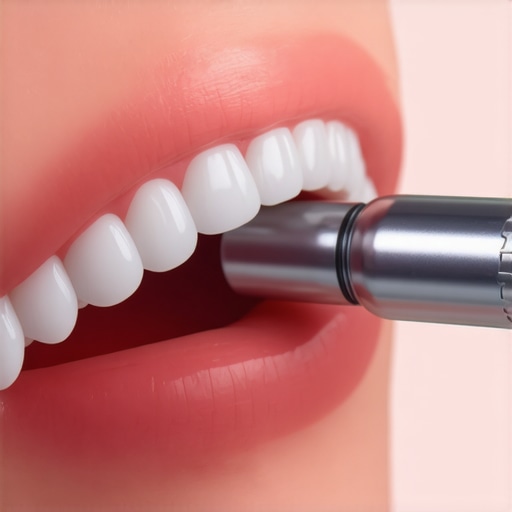
Reflecting on my journey with Invisalign, I realized that many patients face unexpected challenges that can feel discouraging at first. But each obstacle holds a valuable lesson that, once embraced, transforms into an opportunity for growth and mastery over your oral health. Here are some of the most impactful lessons I’ve learned—lessons that can help you turn a minor whistle into a testament of your commitment and resilience.
- Listen to the subtle signs: Small discomforts or noises like a whistle often indicate a misfit, and addressing them early prevents complications. Ignoring them can lead to longer treatments and frustration.
- The art of patience and precision: Proper seating of aligners isn’t just about comfort—it’s about accuracy. Rushing or skipping steps can introduce issues that set back progress. Take your time each time you wear your aligners to ensure perfect fit and performance.
- Every detail counts: From attachment engagement to routine maintenance, paying attention to the tiniest details creates a ripple effect, ensuring smoother treatment and better speech
Tools and Tips That Made a Real Difference
Over my years in family dentistry, I’ve curated a set of resources that empower patients to take control of their Invisalign experience. Digital scanners like the iTero Element 5D help monitor subtle changes, catching issues before they become problems. Advanced cleaning devices such as electric toothbrushes and water flossers ensure hygiene, which directly impacts aligner fit and comfort. To stay on top of your oral health journey, employing smart monitoring software can be a game changer, providing reminders and tracking progress seamlessly. Embracing AI-driven telehealth options also offers quick check-ins, making your treatment more efficient and less stressful.
Your Next Step in Achieving That Flawless Smile
Remember, every challenge you encounter with Invisalign is a stepping stone towards a healthier, more confident you. By staying proactive, equipped, and mindful of the little details, you’re building more than a beautiful smile—you’re cultivating confidence that radiates in every conversation. Don’t let minor setbacks hold you back from the transformative power of a perfect bite and stunning smile. Keep pushing forward; your future self will thank you for your dedication.
Have you ever struggled with fitting or maintaining your aligners? Share your experiences below—I’d love to hear how you overcame any challenges on your journey!
**