
The 3-Second Check to See if Your Dental Crown is Loose
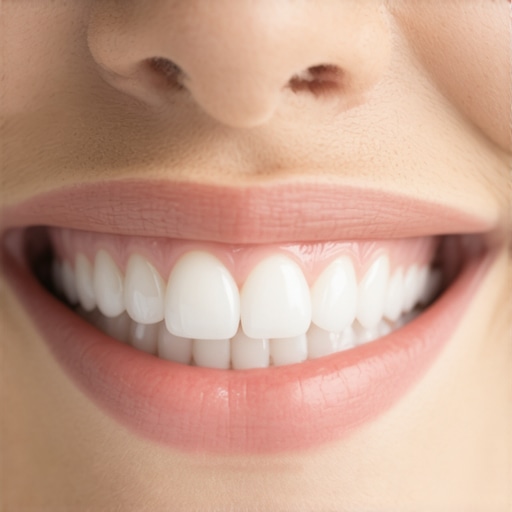
I remember the moment vividly—kicking back after a satisfying meal, only to feel a strange looseness where my crown used to be. It was like a tiny, unsettling wobble that shouldn’t have been there. For days, I ignored it, telling myself it was nothing. But that little wobble kept nagging me. Then I had that lightbulb moment: I needed to be able to tell if my dental crown was loose—quickly and easily—without waiting for a dentist appointment that might be days away.
The Little Trick That Changed Everything
That’s when I discovered the power of a simple 3-second check. It isn’t some fancy gadget or complicated procedure. It’s just a simple test you can do right at home, using your own fingers and a bit of awareness. But here’s the thing: it can make the difference between a minor inconvenience and a major dental emergency. Trust me, I’ve been there, and I learned the hard way how important it is to act promptly when your crown feels off. Today, I want to share exactly how you can do this check yourself, save yourself money, and avoid discomfort.
Could it really be that simple?
Absolutely. With this quick and easy test, you won’t need to panic or spend hours on the phone trying to get a last-minute appointment. Plus, I’ll tell you what to watch out for and when to head to the dentist. After all, a loose crown isn’t just a cosmetic issue—if left unchecked, it can lead to further damage or even infection. And who wants that? According to the American Dental Association, detecting issues early can save both your dental health and your wallet (source).
Now, I’ll admit, I made a mistake early on. I assumed a loose crown was just a minor wobble and ignored it. That was a costly error. To build your trust and help you avoid the same mistake, I’ll walk you through how to do your own check and what signs mean you should see your dentist right away.
Ready to preserve your smile and keep those dental worries at bay? Let’s dive into the straightforward test I swear by—and learn how to spot real trouble before it becomes a real problem.
,
How to Perform Your Own Loose Crown Check
Start by selecting a clean, well-lit mirror and your fingers—use your index finger to gently test your crown. Think of it as checking a door handle—you want to see if it wiggles with minimal pressure. Before you begin, wash your hands thoroughly to prevent bacterial transfer. Sit comfortably in front of the mirror and place your finger on the crown, gently rocking it in horizontal and vertical directions. If you notice any movement, that’s your first clue something might be off. I once performed this check after noticing a slight wobble on a Saturday morning. Carefully pressing around the edges, I found it was indeed loose, and I promptly contacted my dentist. The quick action saved me from more extensive repairs later.
Identify the Signs of a Loose Crown
Feeling of Wobbliness or Discomfort
If your crown moves when you touch it or causes discomfort while chewing, these are red flags. Imagine trying to open a jammed door—resistance or unexpected movement signals a problem. A loose crown can sometimes cause food particles to get trapped underneath, leading to irritation. Remember, not every wobble is urgent, but consistent movement or pain warrants professional attention.
Detecting Changes When Biting
Place two fingers across your molars and gently press down, then release to observe any shifting sensation. If your bite feels uneven or the crown feels ‘high,’ it might be loose. I once ignored a slightly elevated feeling when biting down, thinking it was just the normal variation. Weeks later, I experienced increased sensitivity and a small cavity forming underneath. Regular self-checks can catch these issues early, preventing more complex treatments.
Addressing What You Find
If your self-assessment indicates a looseness, avoid biting hard or chewing sticky foods to prevent further damage. Rinsing your mouth with warm salt water can help reduce bacteria and soothe minor irritation. Then, schedule an appointment with your dentist immediately. You can find experienced professionals by visiting here, ensuring your dental health stays on track.
Additional Tips for Maintaining Crown Stability
Using a soft toothbrush and avoiding aggressive brushing helps protect the cement holding your crown. Also, steer clear of overly hard or sticky foods that could dislodge or loosen your restoration. If you’re curious about how crowns impact your overall oral health or want to explore options like crowns for a healthier smile, consulting a family dentist can provide personalized guidance. Regular dental checkups are vital—they allow your dentist to monitor your crown’s condition and address any issues before they escalate.
When to Seek Immediate Dental Help
Don’t wait if you experience severe pain, swelling, or if the crown has fallen out completely. These could indicate underlying problems like infection or significant damage. In such cases, visiting professional dental care right away is crucial. Remember, early detection and prompt action ensure your smile remains healthy and beautiful.
While many believe they fully grasp the basics of dental care, misconceptions and overlooked nuances often lead to costly mistakes. A common myth is that whitening or new crowns are purely cosmetic; in reality, they impact your health more than most realize, especially if not properly maintained. For example, some assume that once a crown is placed, no further care is needed—this is false; neglect can cause infections and even lead to the need for replacements, as emphasized in the comprehensive guide on crowns for a healthier smile. Many patients overlook the fact that Invisalign, often thought to be a mere aesthetic solution, actually requires precise adherence to care instructions to prevent complications such as white spots or uneven movements. Understanding the advanced nuances of aligner hygiene and the importance of wearing elastics as prescribed can significantly impact treatment success.
A common trap in family dentistry revolves around the misconception that regular brushing alone ensures complete oral health. In actuality, flossing properly and using interdental brushes can reach areas that brushes miss, preventing gum disease and cavities. Experts advocate for thorough cleaning techniques, which many overlook until problems arise. Additionally, some believe that all dental problems present obvious symptoms; however, issues like mini-cavities or early gum recession can go unnoticed, quietly progressing until they become painful or expensive to treat. Detecting these hidden issues demands a proactive approach and sometimes professional assessments beyond routine checkups.
What advanced strategies can truly elevate your dental health routine? The answer lies in integrating modern technologies—like laser dentistry and digital imaging—that identify problems at their earliest stages. Skipping these innovations may seem economical upfront but could cost much more later. For example, early detection of subtle cracks or root issues enables minimally invasive treatments that save your natural teeth and preserve your overall health. This highlights the importance of working with a forward-thinking family dentist who employs such advanced diagnostics.
Beware of the misconception that temporary fixes substitute for professional intervention. Relying solely on over-the-counter remedies or DIY solutions can mask underlying issues, leading to more severe complications down the line. Early consultation with a qualified dentist ensures proper diagnosis and targeted treatment plans, especially for complex issues like crown misfits or Invisalign setbacks. To stay ahead, regular checkups and honest communication about your concerns are key.
In summary, let’s dig deeper into the assumptions many carry about oral health, and focus on the nuanced truths that can save you time, money, and discomfort. Have you ever fallen into this trap? Let me know in the comments.
Keeping It Working: The Tools I Rely On
Maintaining your oral health for the long haul requires more than just regular brushing and flossing. Having the right tools can make a significant difference in ensuring your smile stays healthy and functional. Over the years, I’ve honed a personal toolkit that combines professional-grade equipment and smart techniques, and I want to share these with you. These aren’t generic suggestions; these are specific devices and methods I use daily to keep my dental restorations, like crowns and Invisalign, in top shape.
Precision Toothbrushes for Gentle Cleaning
I swear by electric toothbrushes with sonic technology, such as the Sonicare DiamondClean. The oscillating and pulsating action effectively disrupts plaque without harming delicate restorations. Regular manual brushing often misses areas, especially around crowns and implants, but a quality sonic brush reaches those hard-to-get spots with ease. Plus, it encourages proper brushing techniques, which is crucial for long-term durability of crowns and implants.
Interdental Cleaning Devices
Flossing is essential, but I prefer using interdental brushes like TePe Stim-U-Dent or Waterpik’s Water Flosser. The Waterpik, in particular, is excellent for family dentistry, as it can clear out trapped debris under bridges and around braces. I’m personally fond of the Water Flosser because it reduces gum bleeding and reaches gum lines better than traditional floss, especially around crowns that are difficult to clean properly.
Monitoring Tools for Early Detection
To ‘keep it working,’ I measure the integrity of my crowns and Invisalign trays regularly. A simple, yet effective, tool is a dental mirror combined with gentle tactile examination, but for more advanced monitoring, I use digital intraoral scanners occasionally. These devices provide detailed 3D images of teeth, enabling me to spot early signs of wear or loosening. While these are often professional tools, affordable versions are emerging on the market, and I recommend consulting with your dentist about incorporating such tech into your routine for proactive care.
Maintenance Software and Alerts
Stay ahead of the game by employing apps that remind you to replace your toothbrush or Invisalign trays as recommended. My favorite is the Philips Sonicare app, which syncs with their brushes to set replacement schedules. Additionally, some dental clinics now offer patient portals that notify you of upcoming checkups or necessity for adjustments, keeping your oral health on track without the guesswork.
The Future of Dental Maintenance Looks Bright
Looking ahead, innovations in AI-powered diagnostic tools and smart toothbrushes are poised to revolutionize oral care. Devices that analyze plaque accumulation or detect early signs of decay can intervene before issues develop. According to a TechCrunch report, integrating AI with home dental devices is just around the corner, promising even more personalized and preventive care options.
To start elevating your maintenance routine today, I recommend investing in a sonic toothbrush combined with interdental brushes and scheduling routine checkups that leverage digital diagnostics. For more tailored advice, reach out to your family dentist through this contact page and ask about smart tools that can work for your specific needs.
Lessons I Never Expected to Learn About Smile Maintenance
One of my most surprising realizations was that even the most advanced dental solutions like crowns and Invisalign require consistent, mindful care. I once believed that once my crown was in place, my worries about it were over—that was a misconception. The lightbulb moment came when I learned that small daily habits—like proper brushing techniques and regular self-checks—could dramatically extend the life of my restorations. Additionally, I discovered that many family dentistry myths, such as “I don’t need to see the dentist until something hurts,” actually set back your progress. These lessons taught me that proactive preservation isn’t just about aesthetics; it’s about health, confidence, and peace of mind. The true secret lies in understanding your unique dental landscape and respecting the subtleties that influence it daily. Trust me, patience and education are the best tools for a lifelong radiant smile.” ,