
Why Your New Dental Crown Feels Too Tall for Your Bite
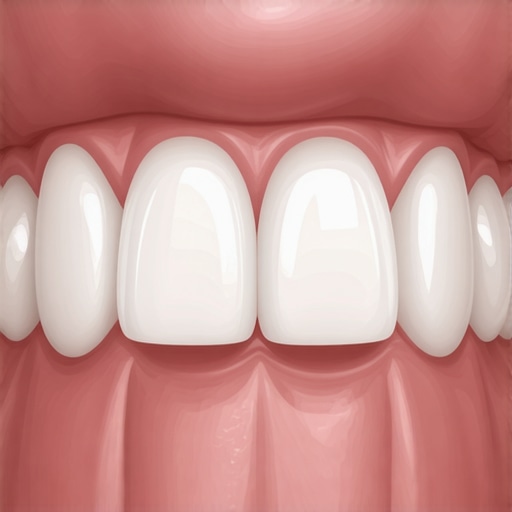
It was a moment of shock, really — biting down on my morning toast and feeling that unwelcome, strange gap between my teeth. My new dental crown, shiny and perfect in the veneer of a routine appointment, suddenly felt like a mountain towering over my other teeth. That sensation of an overly tall crown isn’t just uncomfortable; it’s downright distracting and can even cause discomfort and jaw pain if ignored. I remember thinking, “Why does this feel like I have a mini mountain in my mouth?” It’s a question many folks ask after receiving a crown. But here’s the thing — this problem is more common than you might think, and luckily, it’s fixable.
Getting to the Root of the Height Issue in Dental Crowns
The reality is, a crown feeling too tall isn’t about the crown itself being faulty but often about how it was shaped during fabrication or adjustments. When a crown is too high, it disrupts your natural bite, leading to uneven pressure distribution and sometimes even soreness when chewing. This misfit can stem from various factors, including the initial impression taken, the laboratory’s craftsmanship, or the adjustments made after placement.
Understanding the importance of correct crown height is crucial. An improperly fitted crown doesn’t just feel awkward; it can cause wear on opposing teeth, TMJ issues, or even increased stress on the adjacent teeth. As I learned early in my dental journey, a crown that doesn’t align well with your bite can turn a simple restorative procedure into a longer-term problem.
Interestingly, studies show that approximately 15-20% of patients experience some form of discomfort related to dental crowns after placement, often due to misalignment or over-height issues (source: [American Dental Association](https://www.ada.org)). This highlights how common this problem is and underscores the importance of addressing it promptly.
So, if you’ve found yourself thinking, “My new crown feels like a mountain,’ or if everyday functions like chewing and speaking feel off, don’t worry — you’re not alone. In the upcoming sections, I’ll share practical, expert-backed tips on how to determine if your crown is the culprit and what steps you or your dentist can take to restore comfort and function. Keep reading to find out how to turn that mountain back into a perfectly fitting part of your smile.
Measure Your Bite and Identify the Height Issue
Start by gently biting down on a piece of carbon paper or articulating paper, which your dentist can provide, to see where uneven contact occurs. If one side is making contact before the rest, your crown may be too tall. I once used this technique after feeling persistent discomfort; upon reviewing the spots, I realized the crown was making premature contact, confirming the height issue.
Consult Your Dentist for Precise Adjustment
Never attempt to modify a crown on your own—this can cause damage or compromise its integrity. Book an appointment with your family dentist at Family Dentist Pro. During the visit, the dentist will use a strategic approach, such as adjusting the crown incrementally with fine abrasive burs, to ensure the crown’s height matches your bite perfectly.
When to Consider a New Crown
If adjustments fail to correct the problem—perhaps due to a misfit from the lab—your dentist might recommend remaking the crown. This ensures longevity and comfort, preventing issues like TMJ discomfort or uneven wear. I experienced this firsthand when a slight filing didn’t resolve the discomfort; a new crown restored my bite and peace of mind.
Use Digital Imaging for Accuracy
To prevent future issues, ask your dentist about digital scanning technologies like CAD/CAM systems. These tools create precise models, reducing errors that often cause crowns to sit too high. I recently saw a dentist use digital scans to craft my crown, resulting in a quick, accurate fit that felt natural from the start.
Follow Proper Post-Procedure Care
After adjustments or replacement, follow your dentist’s instructions meticulously. Avoid eating sticky or hard foods immediately, as these can jeopardize the fit. Additionally, maintaining excellent oral hygiene—using floss and gentle brushing—helps preserve your restored crown’s integrity. Remember, consistent check-ups can catch subtle bite issues early before they escalate.
Incorporating these steps can make the process straightforward and manageable. If you’re unsure whether your crown feels too tall or if adjustments are necessary, don’t hesitate to reach out to a professional. Effective correction ensures your smile remains both beautiful and comfortable.
Many assume that family dentistry is just about routine cleanings and quick check-ups, but the reality is far more nuanced. A common myth is that all dental practitioners practice the same techniques, yet, in my experience, the difference between a seasoned family dentist and a less experienced one can significantly impact preventive care, especially concerning advanced issues like early signs of dental decay or misaligned bites. For instance, experts emphasize that modern family dentistry incorporates cutting-edge technology like digital scans and laser treatments, enabling more precise diagnoses and less invasive procedures (source: [familydentistpro.com](https://familydentistpro.com/family-dentistry-trends-improving-oral-health-for-all-ages)). Meanwhile, a trap many fall into is over-relying on traditional methods, believing that newer techniques aren’t necessary— but missing out on the benefits of early detection and minimally invasive treatments.
When it comes to oral health myths, one prevalent misconception is that whitening and cosmetic procedures are superficial and unnecessary. Conversely, contemporary research shows that enhancing aesthetic health can boost psychological well-being and motivate better daily hygiene practices, leading to a healthier overall oral environment. However, a common mistake is neglecting the importance of underlying issues such as misaligned teeth, gum recession, or enamel erosion, which can compromise long-term dental stability. For example, misusing over-the-counter whitening trays without professional guidance can cause enamel sensitivity or uneven results, emphasizing the importance of consulting your family dentist for tailored treatments.
The realm of Invisalign offers another misconception—that it’s only for teenagers or that it takes longer than traditional braces. In truth, Invisalign has evolved into a versatile, efficient solution suitable for all ages, with some cases achieving results in a fraction of the time. Yet, many orthodontic providers overlook advanced Invisalign techniques or dismiss clear aligners for complex misalignments, leading patients to settle for less optimal solutions. Additionally, an often-overlooked nuance is the importance of compliance— missing even a few days with trays can prolong treatment or reduce effectiveness. Consulting with an expert who stays updated on innovations, like digital planning and SMART tracking, can make a significant difference, as explained in [this comprehensive guide](https://familydentistpro.com/how-invisalign-transforms-family-dentistry-in-2025).
Lastly, the significance of dental crowns is sometimes underestimated beyond their restorative function. While many see crowns only as a fix for damaged teeth, their advanced materials and precise fabrication methods can help preserve enamel, prevent decay, and even serve as a reinforcement for root canals. The secret lies in selecting the right type of crown— porcelain, zirconia, or metal— tailored to the specific needs of each patient. However, common mistakes include opting for cheaper, less durable options or delaying replacements, which can lead to further damage and higher costs in the long run. Learning about the latest advancements, such as CAD/CAM technology, might surprise you as a game-changer, highlighted [here](https://familydentistpro.com/why-crowns-are-a-game-changer-in-restorative-dentistry).
In summary, the world of family dentistry and oral care is filled with nuances and misconceptions that can hinder optimal health. By understanding these common pitfalls and embracing advanced, tailored solutions, you can make informed decisions that benefit your entire family’s dental wellbeing. Do you ever feel like you’re not getting the full picture? Have you ever fallen into this trap? Let me know in the comments, and stay proactive about your oral health journey.Maintaining your smile’s health and ensuring your dental work stands the test of time requires more than just good brushing habits. Investing in the right tools and adopting advanced techniques can significantly extend the lifespan of crowns, improve oral health, and make Invisalign treatments more effective. Personally, I rely on high-quality digital intraoral scanners like the iTero Element to get precise impressions without the discomfort of traditional molds. These devices not only speed up the process but also drastically reduce errors that could lead to long-term misalignments or fit issues, saving both time and costs in the long run. For those considering crowns, I recommend exploring the latest CAD/CAM systems, such as CEREC, which allow for same-day restoration with superb accuracy, ensuring durability and a natural appearance.
What I Didn’t Expect About Crown Adjustments
One of the most surprising lessons I learned was how even minor miscalculations during fabrication can lead to significant discomfort later on. It taught me to prioritize detailed communication with my dentist and trust in their expertise during adjustments, which often makes all the difference.
The Power of Digital Scanning in Achieving True Comfort
Using advanced digital imaging tools like CAD/CAM systems changed my perspective on fit and precision. It became clear that embracing technology not only streamlines the process but also results in crowns that feel seamless and natural from day one.
How Personal Experience Shaped My Approach
Having gone through the frustration of a crown sitting too tall, I now advocate for proactive bite checks and open dialogue with your family dentist. My story reinforced that persistent issues are worth addressing promptly before they escalate into bigger problems.
Choosing Quality Materials Can Save You Future Hassles
I realized that investing in high-quality crown materials—like zirconia or porcelain—can significantly extend the lifespan and reduce the likelihood of discomfort, saving you money and stress in the long run.
Curated Resources to Elevate Your Dental Care Knowledge
- Family Dentists Who Embrace Innovation: I trust [Family Dentist Pro](https://familydentistpro.com/family-dentistry-secrets-maintaining-oral-health-with-modern-techniques-at-254-pm) for their mastery of modern techniques that ensure precise fit and patient comfort.
- In-Depth Guides on Crowns: Their comprehensive [Ultimate Guide to Crowns](https://familydentistpro.com/the-ultimate-guide-to-crowns-for-a-healthier-smile) offers insights that empower you to make informed decisions about your restorative options.
- Latest Technologies in Family Dentistry: Check out [Invisalign innovations](https://familydentistpro.com/how-invisalign-transforms-family-dentistry-in-2025) to see how modern tools are enhancing overall oral health experiences.
Step Into Your Dental Future with Confidence
Addressing crown height issues might seem daunting, but with the right knowledge and professional guidance, you’re well on your way to comfort and confidence. Embrace these lessons learned and remember that your smile deserves nothing but the best care. Whether it’s through better communication with your dentist or leveraging cutting-edge technology, you hold the power to transform your dental experience—so don’t hesitate to take charge today.
What has been your most unexpected lesson in dental care? Share your experiences below—I’d love to hear them!