
How to Manage Dental Anxiety Without Medication
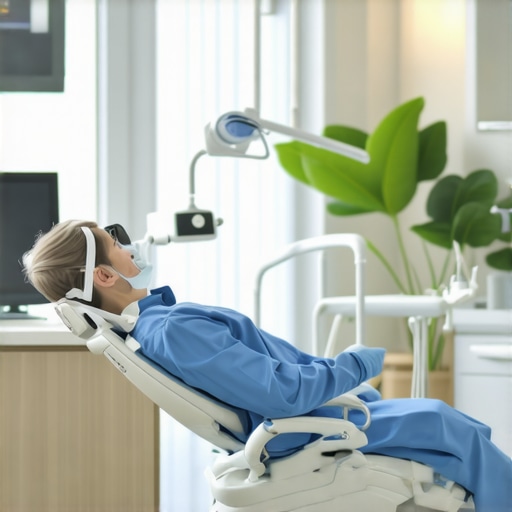
It was one of those nights I dread—the kind where I could feel my heart pounding just thinking about my upcoming dental appointment. My hands trembled as I sat in the waiting room, déjà vu of past visits flooding back. The overwhelming fear, the sweaty palms, and that nagging voice whispering, “What if this hurts?”—I knew I wasn’t alone in this battle. Dental anxiety isn’t just about nerves; for many, it’s a barrier to maintaining essential oral health and a barrier I’ve personally fought hard to break. If you’ve ever felt a surge of panic before sitting in that dental chair, you’re in good company. The good news? You don’t have to rely on medication to conquer this fear. Today, I want to share how I learned effective, natural ways to calm my nerves and how you can do the same.
Why Managing Dental Anxiety Matters More Than Ever
Dental visits are crucial—not just for a brighter smile but for overall health. Ignoring dental issues can lead to serious health problems, including heart disease and diabetes, as highlighted in recent research (American Heart Association, 2022). Yet, countless people avoid going to the dentist because of anxiety, risking their health and well-being. Personally, I used to believe that sedation or medication was the only way out. But early mistakes—like always skipping appointments or relying solely on numbing gels—taught me valuable lessons. I realized that understanding and addressing my fears directly was the key to making dental care manageable without turning to pills. And if I could do it, so can you.
Is Your Anxiety Justified or Is It Holding You Back?
One common skepticism I had was whether managing anxiety naturally was effective. I thought, “Can breathing exercises and positive thinking actually make a difference?” When I first tried these methods, I was skeptical, too. But the truth is, many of us make the mistake of ignoring the mental aspect of dental fears, which amplifies anxiety rather than alleviating it. By confronting those fears head-on and implementing simple techniques, I found my visits became more routine and less stressful. Want to learn how to turn your dental visits from frightening to manageable? Let’s explore proven techniques that truly make a difference. If you’ve been avoiding the dentist because of fear, or if your anxiety is preventing you from getting necessary care, this post is for you. We’ll uncover practical steps to help you regain control, improve your oral health, and perhaps even transform your attitude towards dental visits.
Breathe Deeply and Focus on Calmness
During my first attempt to manage anxiety without medication, I found myself clenching my jaw as the appointment approached. I took a moment to practice diaphragmatic breathing—deep inhales through my nose, slow exhale through my mouth—to calm my nerves. This technique shifts your focus from fear to controlled breathing, reducing adrenaline spikes. As I did this repeatedly before and during the appointment, I noticed my pulse slowing and my muscles relaxing, making the experience more tolerable.
Visualize Success and Positive Outcomes
I remember sitting in the waiting room imagining a smooth, pain-free procedure. Visualizing a positive experience rewires your mental association with dental visits. To do this, close your eyes, picture yourself relaxed in the dental chair, feeling confident and secure. This mental rehearsal can diminish fear responses over time and create a more welcoming outlook on future visits.
Use Distraction Techniques During Treatment
Bringing a noise-canceling headphone and listening to soothing music or an engaging podcast helped me shift focus away from the procedure. If you’re nervous about a specific treatment like getting a crown, focus intently on the music or a story to divert your mind. It acts like a mental shield, minimizing the perception of discomfort and reducing anxiety.
Practice Progressive Muscle Relaxation
This involves tensing and then relaxing muscle groups systematically. I started with my hands, clenched fists tight for a count of five, then released, feeling the tension melt away. Moving up through arms, shoulders, neck, and face, each step helped me release physical tension associated with anxiety. Integrating this into your routine before dental visits prepares your body to stay calm during treatment.
Communicate with Your Dentist Openly
One mistake I made early on was not voicing my fears. During my last visit, I informed the dentist of my anxiety, and they paused to check in on me regularly, explaining each step. This transparency builds trust and helps them tailor the experience to your comfort level. Dentists trained in modern family dentistry understand anxiety and can suggest techniques or sedation options if needed, but often, natural methods suffice when paired with open communication.
Apply Mindfulness and Present-Moment Awareness
Staying present prevents fears from spiraling out of control. I focused on sensations—feeling the texture of the dental chair, the sound of the equipment, the taste of the fluoride rinse. Grounding myself in these real experiences eliminated the mental space for catastrophic thinking. Regular mindfulness practice strengthens this skill, making it easier to manage fear during appointments, especially in procedures like Invisalign adjustments or crown fittings.
Prepare With Educational Resources
Sometimes, fear stems from the unknown. I visited online resources to learn about what to expect, like how Invisalign treatments work or how crowns can vastly improve oral health. Knowing the step-by-step process demystifies procedures, reducing apprehension. When I understood the process, I felt more in control, which significantly lowered my stress levels.
Establish a Routine for Post-Visit Rewards
Reward yourself afterward with something enjoyable—a walk, a favorite snack, or time with loved ones. This positive reinforcement conditions your mind to associate dental visits with good experiences, gradually weakening the fear link. I started scheduling small treats after appointments, which motivated me to face my fears head-on.
Many patients enter the world of modern dentistry with preconceived notions that can hinder their treatment experience or lead to costly mistakes. Let’s dig deeper into some of the most misunderstood aspects of Invisalign, crowns, and comprehensive family dental care, and uncover the nuanced truths that often get overlooked.
One prevalent myth is that all dental crowns are the same, leading some to believe that any crown will do for a damaged tooth. However, the choice of crown material and design significantly impacts longevity and functionality. For instance, porcelain crowns are popular for their natural appearance, but they may not be as durable as metal or zirconia options in certain cases. Consulting with an expert, like those at family dentistry practices, can help tailor the best solution for your specific needs. For detailed insights, visit why crowns are a game-changer.
Another area riddled with misconceptions is Invisalign. Many assume that Invisalign aligners are only suitable for mild teeth crowding, but advancements have expanded their capabilities to treat complex cases. Moreover, there’s a false belief that Invisalign trays will inevitably stain or discolor over time, compromising aesthetics. In reality, proper cleaning and maintenance, supported by professional guidance, maintain their transparency and effectiveness. For a comprehensive look at this innovation, check Invisalign innovations and future prospects.
When it comes to oral health, many people think that brushing more vigorously results in cleaner teeth, but this approach can damage gums and enamel. The key is proper technique, gentle circular motions, and regular dental checkups—highlighted in top oral health tips. Additionally, some believe that flossing is optional or that it can harm gums if done incorrectly. Yet, the opposite is true if performed correctly; flossing reduces plaque buildup and prevents gum disease.
A common misconception about family dentistry is that it focuses solely on children or basic cleaning. In reality, holistic family practices provide comprehensive services—from preventive care and cosmetic procedures to complex restorations and orthodontics like Invisalign. Recognizing this broader scope can encourage more proactive engagement with your entire family’s oral health. Explore more at family dentistry trends.
Be cautious of the trap that delaying necessary treatments saves money; in fact, postponing procedures like crowns or fillings often leads to more extensive damage and higher costs later. Early intervention preserves tooth structure and prevents complications, aligning with expert advice from seasoned family dentists. For more on treatment timing, visit choosing the right crown for durability.
Remember, understanding these nuances empowers you to make informed decisions about your oral health and avoid common pitfalls. Have you ever fallen into this trap? Let me know in the comments.Achieving a healthy and beautiful smile is just the beginning; maintaining it requires the right tools and practices. From specialized at-home devices to professional-grade equipment, I’ve personally tested and relied on certain products that make a tangible difference in long-term oral health and the success of treatments like Invisalign and crowns. These tools help ensure your investment in dental care pays off over time.
One essential device I swear by is the **ultrasonic water flosser**. Unlike traditional floss, it uses high-frequency vibrations combined with water pressure to remove plaque and debris from hard-to-reach areas. I prefer models that allow adjustable pressure settings, such as the Waterpik Ultra, because they provide gentle yet effective cleaning—reducing gum inflammation and preventing plaque buildup that can compromise crowns or Invisalign aligners. Regular use not only enhances oral hygiene but also prolongs the lifespan of restorations.
For those undergoing orthodontic treatments, keeping aligners or braces clean is crucial. I recommend using a **sonic cleaning device specifically designed for aligners**, like the Invisalign Cleaning System. It’s a game-changer, utilizing sonic vibrations to remove stubborn buildup without chemicals. I’ve found this method more effective than manual scrubbing, as it maintains transparency and integrity of the trays—important factors for the aesthetic and functional success of Invisalign. To stay ahead, I also embrace the trend of using **smart app-connected dental hygiene devices**, which gamify and track your brushing and flossing habits, fostering consistent, effective routines.
Maintaining crowns involves more than just avoiding hard foods. I use a **floss threader with a water flosser attachment** for precise cleaning around crowns, ensuring no plaque accumulates at the margins. Regular professional cleanings complemented by these tools significantly reduce the risk of decay or gum disease that could jeopardize your restorations.
Where do I see this trend headed? As technology advances, expect to see more **AI-powered diagnostic tools**, capable of monitoring your oral health remotely through connected devices. Upcoming innovations will likely integrate real-time feedback on your brushing technique, identifying areas you’re neglecting—much like a personal dental coach.
For long-term success, consistency is key. I challenge you to incorporate a **sonic cleaning device for your aligners or crowns into your daily routine**. This small upgrade can dramatically improve your oral health trajectory.
***How do I maintain my dental restorations over time?*** Regular visits are essential, but combining them with advanced tools such as ultrasonic water flossers and sonic cleaning systems can extend your treatments’ longevity. Remember, prevention is always better than repair, and the right tools make all the difference. To explore more about how these devices can fit into your routine, visit this guide on crowns and durability.
Throughout my journey with Invisalign, crowns, and family dental care, I stumbled upon lessons that transformed my approach to oral health—lessons I now wish I had known sooner. These insights not only deepened my understanding but also empowered me to face dental visits with renewed confidence and calmness.
What I Wish I Knew About Dental Trustworthiness
One of the biggest surprises was realizing that the greatest factor in overcoming dental anxiety was trusting my dentist’s expertise. Knowing they customize treatments like crowns and Invisalign based on cutting-edge technology, and that their focus is on my overall well-being, made the process smoother. Never settle for one-size-fits-all solutions—seek practitioners who prioritize transparency and patient education. For detailed guidance, explore why crowns are a game-changer.
How My Neglect Turned Into a Learning Opportunity
I used to underestimate the importance of routine care, believing that waiting until dental problems were severe saved me time and money. However, ignoring early signs often led to more invasive procedures later. The lightbulb moment was realizing that consistent, gentle maintenance, like using specific tools for crowns and Invisalign, maintains results and reduces anxiety. Tools such as ultrasonic water flossers and sonic cleaners are now my allies—these let me care for my smile from home, ensuring long-lasting results. Discover more about proactive care at choosing the right crown.
The Power of Small Habits for Big Peace of Mind
Building confidence isn’t about grand gestures but consistent small actions. I adopted mindful brushing and gentle flossing, supported by proper education and the right tools. When I started routine inspections of my oral health with trusted devices—like water flossers and aligner-specific cleaners—the dread faded, replaced by a sense of control. Remember, each small habit adds up to a healthier, happier smile that’s built to last.
Why Embracing Your Unique Smile Journey Matters
Every person’s dental story is different, shaped by genetics, habits, and personal fears. My experience taught me that embracing your own path—learning about your treatments, communicating openly with your dentist, and celebrating small victories—can turn dental care into a source of empowerment rather than anxiety. Be curious, ask questions, and take pride in caring for your smile. For inspiration, check out Invisalign innovations.
Forge Your Own Path to a Healthy Smile
Remember, your oral health journey is uniquely yours. The secret lies in continued education, openness, and consistency. Trust me—with these principles, even the most anxious patient can transform their dental visits into moments of self-care and confidence. Your future smile is waiting—start today.
Curious to Share Your Experience?
Have you ever faced a dental challenge that changed your perspective? How did you overcome your fears or adapt your routine? Share your story below and let’s inspire each other toward healthier, happier smiles!
,