
Is That Adult Tooth Coming in Sideways? 3 Signs to Watch
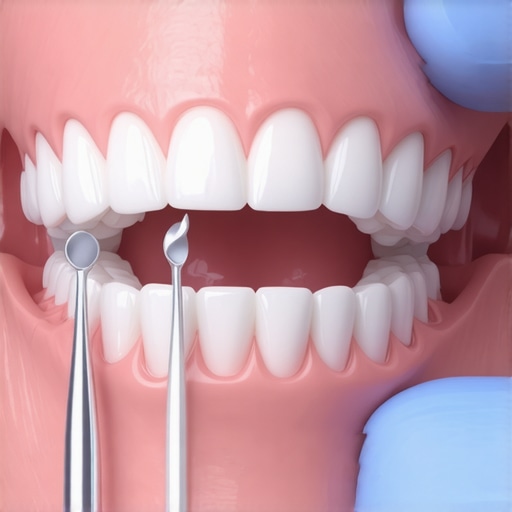
It happened to me unexpectedly one morning—I looked in the mirror and noticed something seemed off with one of my adult molars. Instead of coming in straight like my other teeth, it was tilting at an awkward angle. That lightbulb moment made me realize how easily we overlook subtle changes in our oral health until things become uncomfortable or visible. It’s a familiar scenario many adults face—wondering if that oddly positioned tooth is normal or a sign of something more concerning.
Why Recognizing Sideways Tooth Growth Matters More Than You Think
Our adult teeth aren’t supposed to grow sideways, and ignoring this can lead to a domino effect of dental issues—pain, misaligned bites, and even gum disease. The truth is, many adults don’t realize a tooth is coming in sideways until it causes noticeable discomfort or cosmetic problems. Early detection can save you from more costly treatments down the line. Plus, understanding the signs helps you decide whether it’s time to consult a professional or ignore it at your peril.
Biggest Skeptic: Is This Actually a Problem or Just Normal Variation?
I used to dismiss minor crowding or tilted teeth as just part of aging, but I learned the hard way that some signs are red flags. Early on, I made the mistake of assuming a bit of crookedness was harmless—don’t do that. Instead, recognize the difference between typical wear and actual issues needing attention. For a clearer picture, check out [this insightful article](https://familydentistpro.com/invisalign-myths-debunked-what-you-need-to-know-today), which debunks common myths and emphasizes the importance of early intervention.
Have you ever noticed a tooth that seems to be growing at odd angles or causing discomfort? If so, you’re not alone, and it’s worth paying attention to. We’re going to dive into the three key signs that your adult tooth might be coming in sideways—and what steps you should take to keep your smile healthy and beautiful.
Assessing the Severity of Your Misaligned Tooth
First, examine whether your sideways tooth is causing discomfort, affecting your bite, or impacting your confidence. Use a mirror, and look for signs like overlapping teeth, gaps, or tilting. Remember, not all misalignments require immediate treatment, but early assessment helps prevent future complications. I once noticed my molar tilting inward, which prompted me to consult my dentist before it worsened. This simple observation saved me from costly procedures later.
Seeking Expert Advice Without Delay
Schedule an appointment with a trusted family dentist to evaluate your tooth. Think of your dental professional as a mechanic for your car—regular checkups catch issues early. During the visit, ask specific questions about your misalignment, potential causes, and treatment options. For example, I had a consultation where my dentist recommended Invisalign, explaining how it could straighten my tooth discreetly. Prompt professional advice ensures you understand your options and avoid neglecting a developing problem.
Exploring Invisalign as a Non-Invasive Solution
Understanding How Invisalign Works
Invisalign uses custom-made clear aligners that gently shift teeth into proper position over time. Think of it like a series of thin, precise puzzle pieces—each tray advances your teeth incrementally. When I chose Invisalign, I appreciated how I could remove the trays for eating and cleaning, unlike traditional braces, which is akin to taking off your gloves to get a better grip.
Steps to Get Started with Invisalign
Begin with a comprehensive consultation, during which your dentist will determine if Invisalign suits your needs. Next, digital scans or impressions are taken to craft your custom aligners. Throughout treatment, you’ll switch to new trays every one to two weeks, guided by your dentist’s instructions. I personally maintained a strict schedule, which sped up my progress and reduced discomfort. Regular checkups ensure the aligners are effectively moving your teeth without issues.
Considering Restorative Options for Long-Lasting Results
In cases where teeth are severely misaligned or damaged, restorations like crowns may be appropriate. Think of crowns as a cap that restores the shape, size, and function of a tooth—similar to placing a protective helmet over a fragile item. For my crooked molar, my dentist recommended a crown after aligning it with Invisalign, which stabilized the position. Choosing the right type and expert for crowns is critical; visit [this guide](https://familydentistpro.com/choosing-the-right-crown-expert-advice-for-long-lasting-results) for detailed advice.
Preventing Future Misalignments and Protecting Your Smile
Maintain excellent oral hygiene, avoid excessive force on teeth, and schedule regular dental exams. These steps are like routine maintenance for your car—they keep the vehicle running smoothly. Additionally, staying aware of bite changes or new discomfort can help you catch issues early. My proactive approach, including professional cleanings and monitoring, prevented further misalignments and preserved my smile’s health.
Track Your Progress and Stay Informed
Use visual aids or apps to monitor your treatment. Regular communication with your dentist will help you adapt and stay motivated. Remember, managing sideways teeth isn’t just about aesthetics—it’s about functional health. By following these steps, you empower yourself to make informed decisions and ensure your smile remains strong and confident.
Many people assume they understand oral health beyond basic brushing and flossing, but in reality, there’s a lot of misinformation and overlooked nuances. For instance, a common misconception is that all cosmetic treatments like veneers or crowns are purely superficial. In truth, modern crowns do more than enhance appearance—they strengthen and protect compromised teeth, acting as a foundation for long-term oral health. According to dental experts, choosing the right type of crown can prevent future decay and structural failure, a fact often underestimated by patients. Additionally, many believe that Invisalign is just a discreet alternative to braces, but it’s crucial to recognize its advanced biomechanics. Proper attachment placement and custom aligner design significantly influence treatment success; missteps here can prolong correction or cause discomfort. Misusing or neglecting these details is a frequent pitfall—so consult with your family dentist to understand the intricacies involved.
Another widely held myth is that all family dentistry practices are alike. But the truth is, the latest trends emphasize personalized care and cutting-edge techniques like digital scans and laser dentistry, vastly improving patient experiences and outcomes. If you’re considering orthodontic options, be aware that Invisalign’s innovation is not merely about aesthetics but also about minimizing treatment time and discomfort when executed by skilled professionals. Failure to understand these subtleties can result in subpar results or even damage.
Now, for the advanced minds among us, consider this question: How does the tissue response at the microscopic level influence the longevity of crowns and implants? Emerging research suggests that patient-specific factors like immune response and microbiome play a critical role in restoration durability. For example, a study published in the Journal of Prosthetic Dentistry highlights the importance of tissue integration in implant success, which extends to crown longevity. Recognizing these factors allows us to adopt a more nuanced, personalized approach, improving treatment prognosis.
Have you ever fallen into this trap of assumptions about your dental health? Let me know in the comments. Understanding these hidden nuances empowers you to advocate effectively for your smile and ensures you’re making informed decisions about your oral care.Maintaining optimal oral health over the long term demands more than just good habits; it requires reliable, high-quality tools and a consistent routine. From digital aligner care to restorative treatments like crowns, selecting the right equipment and methods is crucial. I personally swear by using an ultrasonic toothbrush—specifically, the Philips Sonicare DiamondClean—because it significantly reduces plaque buildup and promotes healthier gums compared to manual brushing. Its vibrations reach deep into hard-to-access areas, making everyday cleaning more effective and less time-consuming. For those exploring Invisalign, I recommend investing in the Invisalign cleaning system, which uses gentle ultrasonic vibrations to keep aligners spotless—this prevents stains and bacteria growth, ensuring both oral hygiene and appliance longevity. Regularly replacing disposable parts like flossing tips or mouthwash caps also helps avoid contamination, especially when dealing with sensitive or healing areas. When it comes to crowns, I advise choosing high-quality materials such as porcelain fused to zirconia to blend durability with aesthetics. The right tools don’t just make cleaning more efficient; they safeguard your investment in your smile’s health.
Looking ahead, I believe the trend is moving toward smarter, integrated oral health devices—think Bluetooth-enabled toothbrushes that sync with smartphone apps to monitor brushing habits and provide real-time feedback. This convergence of technology and dentistry will empower us to take proactive steps before issues become serious.
How do I maintain my dental tools over time?
Proper maintenance involves regular cleaning with antibacterial solutions, avoiding harsh chemicals that can degrade components, and following manufacturer instructions for replacement schedules. For example, rinsing your ultrasonic scaler thoroughly after each use prevents mineral buildup and bacterial growth, ensuring consistent performance. Also, storing devices in dry, ventilated containers reduces the risk of mold or corrosion.
Don’t underestimate the importance of routine tool upkeep; it’s as vital as the brushing technique itself. Regularly inspecting your equipment for wear and tear, and replacing parts as necessary, keeps your oral care system functioning optimally. Consider setting calendar reminders to check and replace items—this small step can dramatically extend the lifespan of your tools.
If you’re serious about long-term results, I suggest starting with a high-quality electric toothbrush combined with a smart app. This approach provides actionable insights and motivates consistent care. You might also explore professional-grade tools like the Waterpik Sonic-Fusion, which combines flossing and brushing in one device, streamlining your routine and maximizing plaque removal. Making these investments today pays off by preventing future dental issues and maintaining that confident smile.
By staying proactive with your tools and routines, you ensure your oral health remains resilient. Curious? Try integrating a smart toothbrush into your daily hygiene—see the difference it makes and enjoy healthier, happier teeth.
Lessons I Can’t Unlearn About Oral Health and Invisalign
One of the most eye-opening realizations was understanding how tiny details—like the angle of a tooth or the way aligners fit—can have long-term impacts on oral health. I once ignored minor discomfort, thinking it was normal aging, only to find it could lead to more complex issues later. Embracing expert advice early transformed my approach, saving me pain and money. The biggest insight? Preventive care isn’t just about brushing; it’s about paying attention to subtle changes and acting on them promptly.
My Go-To Resources for a Smiling Future
First, I trust this guide on Invisalign myths because it cleared up misconceptions I had. For staying current with family dentistry innovations, this resource on modern techniques has been invaluable. When in doubt, I consult my dental care team for personalized advice. These trusted sources anchor me in evidence-based practices that truly make a difference.
Your Smile Can Be a Game-Changer Today
Take the first step toward better oral health by paying close attention to your teeth’s subtle signs. Small changes now prevent big problems tomorrow. Remember, transforming your smile is a journey—embrace expert guidance, utilize reputable tools, and stay curious. Your future self will thank you for the effort you invest today. Don’t wait for discomfort—start your proactive dental story now, and enjoy a lifetime of confidence and health.