
Why your implant feels colder than your natural teeth
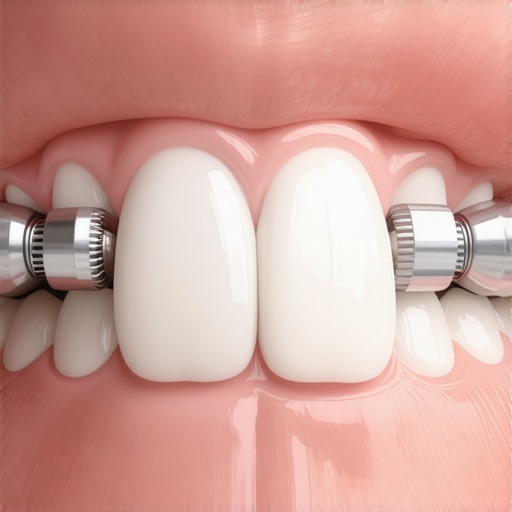
I remember the moment clearly—it was after a routine visit when I suddenly noticed something odd during my morning coffee. My dental implant, which I thought would feel like my natural teeth, seemed inexplicably colder. That little sensation puzzled me and sparked a whirlwind of questions—Why does this happen? Is it normal? And most importantly, should I be worried?
The Curious Coldness of Dental Implants
For years, I believed dental implants would seamlessly mimic my natural teeth—feeling just as the original did, without any quirks or surprises. But discovering that my implant felt noticeably colder was a lightbulb moment. It made me realize how sensitive our oral experiences truly are and how much subtle differences can impact confidence and comfort.
Many people, myself included, overlook these tiny sensations until they become a concern. The truth is, the temperature sensation difference isn’t just a coincidence. It stems from the very nature of how implants are constructed and how they interact with the nerves and tissues in your mouth.
According to recent research, the nerve pathways associated with natural teeth play a significant role in sensing temperature changes. When a tooth is lost and replaced with an implant, the lack of a periodontal ligament can diminish certain sensory perceptions, leading to that unusual chilly feeling. Interestingly, a study published in the Journal of Oral Implantology highlights that many implant patients report altered temperature sensations, which can sometimes lead to discomfort or sensitivity.
But don’t let this cause unnecessary worry. In most cases, this coldness is normal and gradually diminishes as your mouth adapts. Still, understanding why it happens can help you better grasp your oral health journey and make informed decisions.
Are you experiencing this sensation? Have you ever wondered if it signifies a problem? If so, stay with me. Next, we’ll explore practical steps to manage and understand this peculiar but common experience. Knowing what to expect can make your healing process smoother and more comfortable.
Tackle Sensory Changes Head-On
When you first notice that your dental implant feels unusually cold or warm, it might feel overwhelming. Instead of ignoring it, act promptly by maintaining excellent oral hygiene. Use a soft-bristled toothbrush and gentle flossing to prevent irritation that can intensify sensitivity. Regular cleaning helps reduce plaque buildup around the implant, which could otherwise lead to inflammation and discomfort.
Identify and Address Potential Causes
Next, examine your habits—consuming very hot or cold foods can trigger exaggerated sensations. Take note of specific triggers and adjust your diet accordingly. If sensitivity persists, schedule an appointment with your dentist to assess the implant’s condition. They may perform tests similar to the ones described on wisdom teeth assessments to diagnose underlying issues.
Optimize Your Oral Environment
Creating a conducive environment involves avoiding extreme temperature foods and using desensitizing toothpaste..apply a small amount of desensitizing gel on your implant area twice daily. Products like these can be found discussed in detail at desensitizing toothpaste options. Consistency is key to gradually reducing temperature sensitivity, much like how regular care prolongs the life of your crowns which you can explore at Invisalign’s future.
Practice Gentle Oral Care Techniques
When brushing, avoid aggressive scrubbing around the implant site. Think of it like polishing a delicate piece of china—you want to clean without causing scratches. Use light strokes and gentle motions, especially when flossing around your implant. For more tips on maintaining oral health with implants, visit modern family dentistry techniques.
Seek Professional Evaluation for Persistent Issues
If the cold sensation lingers beyond a week, it’s time for a professional checkup. Your dentist might perform tests akin to crown stability tests to ensure the implant is securely integrated. They may also evaluate nerve responses and tissue health, using diagnostic tools to pinpoint the exact cause of your sensation. Addressing these promptly can prevent further discomfort or complications down the line.
While most people know the basics of oral health, there are subtle nuances that often go unnoticed—yet understanding these can drastically impact long-term results. A common misconception is that all dental crowns are created equal; in reality, choosing the right type and material matters tremendously for durability and aesthetics. For instance, porcelain-fused-to-metal crowns offer strength but can show a dark line at the gum, whereas all-ceramic crowns blend seamlessly. Many think that Invisalign is just about straightening teeth; however, recent innovations in aligner technology, detailed in Invisalign innovations, reveal that the system now addresses complex bite issues previously thought untreatable with clear aligners. This evolution underscores the importance of consulting an experienced provider who keeps abreast of the latest techniques. Moreover, there’s a prevalent myth that dental checkups are solely for cleaning; in fact, they serve as critical opportunities to detect early signs of decay, gum disease, or even oral cancers—conditions that can be subtle in early stages, as detailed in top oral health tips. Another often-overlooked aspect is the maintenance of dental restorations. For example, improperly caring for crowns or bridges can lead to issues like decay underneath the restoration, which might not be obvious without professional assessment. Regular evaluation ensures longevity and prevents costly repairs down the line. These nuances reveal that quality family dentistry involves more than just basic practice—it requires an in-depth understanding of materials, technologies, and personalized patient care strategies that maximize benefits. The key is to avoid simple assumptions and instead seek comprehensive, up-to-date information about your oral health options. Have you ever fallen into this trap? Let me know in the comments. For more tips on how to maintain your family’s smile health, explore why crowns are a game-changer and stay informed about the latest advancements.Maintaining your dental work and orthodontic devices requires precision, consistency, and the right tools. Personally, I swear by specific equipment and software that help me monitor and enhance the longevity of crowns, implants, and aligners. One essential device I rely on is a high-quality intraoral scanner, like the iTero Element, which allows me to capture highly detailed 3D images of patients’ teeth. This technology not only facilitates precise restorations but also helps in tracking any changes over time, making it easier to plan future treatments or adjustments.
When it comes to software, I recommend using Dental Monitoring. Its AI-powered platform integrates seamlessly with Invisalign treatments, providing remote check-ins and progress tracking. This minimizes office visits and ensures consistent device fit, especially important for maintaining the effectiveness of aligners. According to a technical review published in the Journal of Digital Dentistry, such systems significantly improve patient compliance and treatment outcomes.
For long-term results, regular maintenance is non-negotiable. I advise scheduling semi-annual checkups to examine your restorations and aligners, a practice supported by countless family dentistry standards. During these visits, your dentist can identify early signs of wear, decay underneath crowns, or misfit aligners that might compromise your oral health. Additionally, specialized cleaning tools, such as ultrasonic scaler tips, can help maintain hygiene around implants and crowns without damaging the restorations.
Personal care also plays a role. Using a Waterpik with a fine-nozzle tip is instrumental in removing plaque from hard-to-reach areas—especially around crowns and orthodontic attachments. I’ve found this method not only boosts oral health but also extends the life of restorations by preventing decay and gum inflammation. Moreover, incorporating smartphone apps like SmileMate can be another layer of oversight, allowing you to take daily photos and monitor any changes, which you can review with your dentist during scheduled visits.
Looking to the future, advancements in smart dental implants and AI diagnostics suggest that we’ll soon have more integrated, real-time monitoring systems. These innovations promise to catch issues early, saving you time and expense. For now, the key is diligent use of the right tools combined with consistent professional care.
To take your maintenance game up a notch, I encourage you to experiment with using an intraoral scanner at home. Platforms like the iTero Element now offer patient-accessible versions, making it easier to visually track your dental health between visits. Regularly measuring and recording changes can prevent small issues from developing into costly repairs, as highlighted by dental technology experts such as family dentistry professionals. Give it a try today—your future self will thank you for staying ahead of maintenance needs and ensuring your oral health remains optimal.
The Hardest Lesson I Learned About Family Dentistry, Oral Health, Invisalign, Crowns
One eye-opening realization came when I discovered that subtle sensations, like the cold feeling from my dental implant, could reveal much about my oral health status. It taught me to pay attention to minor changes rather than dismissing them, understanding that your mouth communicates more than you might think. Additionally, I learned that believing all crowns are created equal is a myth—material choice and proper placement significantly influence durability and comfort. Lastly, I recognized that modern technology, from intraoral scanners to remote monitoring apps, is revolutionizing maintenance routines, empowering patients to stay ahead of potential issues before they escalate.
Tools and Insights That Changed How I Care for My Smile
My trusted toolkit includes the iTero intraoral scanner, which offers detailed visualizations and easy tracking of changes over time, and platforms like Dental Monitoring that facilitate remote check-ins, making upkeep more convenient. I also swear by ultrasonic scaler tips for gentle, thorough cleaning around crowns and implants and smartphone apps like SmileMate to monitor daily changes. These tools—paired with reputable sources such as family dentistry expertise—provide the insight I need to maintain my oral health proactively. Their combination of technology and professional advice has made a tangible difference in my dental journey.
Your Smiling Future Starts Today
Remember, your oral health isn’t a one-time effort but a continuous journey. Embracing the latest techniques and tools can make caring for your family’s dentistry and oral health more effective and less stressful. Don’t wait for discomfort to become a problem—take action now to ensure healthy, confident smiles for years to come. Your future self will thank you for making smart, informed choices in family dentistry and oral care today.
**What strategies have you found helpful in maintaining your dental work and overall oral health? Share your tips below!**