
The real cause of the metallic taste under your bridge
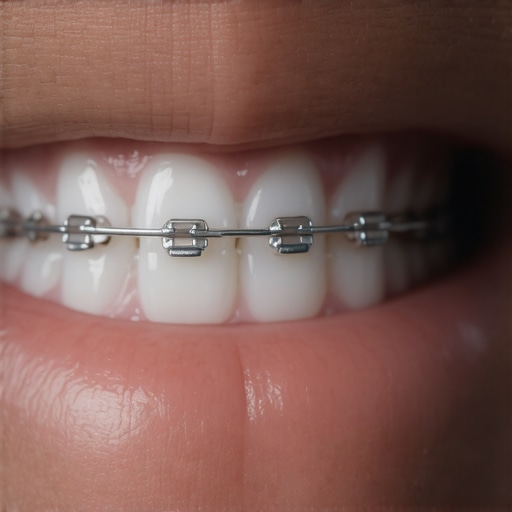
Ever had that shocking moment when a metallic taste suddenly floods your mouth, right beneath your dental bridge? I remember it vividly—biting into my breakfast and feeling an odd, bitter sensation that lingered longer than it should. At first, I thought it was just my imagination or maybe leftover food, but as days went by, the taste didn’t disappear. Instead, it grew more persistent, making me wonder what was going on inside my mouth.
Why Does That Metallic Flavor Appear Under My Dental Bridge?
This is a question I’ve wrestled with, and honestly, it’s more common than you might think. The truth is, underlying issues with your dental work, particularly bridges, can introduce metal tastes that seem to come out of nowhere. Before jumping into conclusions, I want to share my experience and what I’ve learned about this peculiar problem. The key is understanding that the metallic taste isn’t just a random annoyance—it can be a sign of underlying issues that need addressing.
Questioning the What and Why of Metal Taste
Many people assume that a metallic taste under a bridge is a minor nuisance, but it can indicate corrosion, an allergic reaction, or even decay. Early in my journey, I made a mistake I now advise everyone to avoid: ignoring minor symptoms or dismissing them as temporary. This led me to more significant problems down the line. Did you know that according to a study published in the Journal of Dental Research, metal ion release from dental restorations can cause unpleasant tastes and other health concerns?
Understanding the root cause is crucial—not just for comfort but for your overall oral health. So let’s dig deeper into the possible reasons behind this metallic flavor and how to tackle it effectively.
Identify the Root Cause of the Metallic Taste
Start by examining your dental history—are you experiencing other symptoms like gum irritation or sensitivity? Recognize that corrosion, allergic reactions, or decay might be involved. I recall a time I noticed the taste intensify after visiting my dentist for a crown adjustment. Document when the taste occurs and any accompanying signs to help your dentist diagnose effectively.
Schedule a Professional Dental Evaluation
Consult your dentist promptly to assess your dental bridge and surrounding tissues. They may perform tests to detect corrosion or material incompatibility. Imagine your dental health as a complex machine—regular checkups catch issues before they escalate. During my visit, my dentist took X-rays and noticed a small decay beneath the bridge, which they addressed immediately.
Optimize Your Oral Hygiene Routine
Maintain meticulous oral care—brush twice daily with fluoride toothpaste, floss gently around the bridge, and use an interdental brush if necessary. Think of your mouth as a garden; consistent cleaning prevents problematic ‘weeds’ like plaque build-up. I started flossing twice as carefully, paying close attention to the area under my bridge, and noticed immediate relief from the metallic flavor.
Address Material Concerns or Allergic Reactions
If your dentist suspects material incompatibility, discuss options like replacing the bridge with biocompatible materials. Some patients react to certain alloys, much like a skin allergy. I learned that switching to a ceramic bridge eliminated the taste issue entirely. For more insights, you can explore how invisalign compares to braces or crowns.
Consider Professional Cleaning and Polishing
Sometimes, tartar or residue accumulation causes metallic sensations. A professional cleaning can remove deposits that irritate your gums or cause corrosion. Remember, just like polishing a jewelry piece restores its shine, dental cleanings restore oral comfort. During my session, the hygienist polished my crowns, leading to a significant reduction in the metallic taste.
Maintain Routine Follow-Ups to Prevent Recurrence
Regular dental checkups—every six months—are vital in catching early signs of problems. Think of it as scheduled maintenance for your car; it prolongs health and prevents costly repairs. I scheduled follow-up visits with my family dentist through their contact page, ensuring ongoing care and peace of mind. Staying vigilant helps keep the metallic taste at bay and maintains your oral well-being.While many believe that brushing twice daily and regular flossing are enough to maintain optimal oral health, the reality is much more nuanced. A common misconception is that all dental restorations, like crowns and implants, are completely inert and pose no long-term risks. However, the materials used in restorations can interact with your mouth in ways that aren’t immediately obvious, leading to issues like material degradation or allergic reactions over time. For example, some patients experience persistent metallic tastes even years after their procedure, which can be a sign of material corrosion or incompatibility—a topic that’s often overlooked in basic dental advice.
How Do Material Choices in Restorations Affect Long-Term Oral Health?
Many people assume that the cheapest options or traditional materials are sufficient, but in my experience, choosing biocompatible and durable materials can significantly reduce complications. Studies, such as one published in the Journal of Prosthetic Dentistry, highlight how newer ceramic or composite options can minimize adverse reactions and improve longevity. Yet, a trap many fall into is opting for standard metals or older materials without considering the nuanced benefits of modern alternatives. This choice can inadvertently cause ongoing issues like discoloration, staining, or even tissue irritation, which complicate what might seem like straightforward restorations.
Why do so many dentists recommend the same solutions without considering individual differences?
The answer lies in the cookie-cutter approach prevalent in some practices, which overlooks patient-specific factors such as allergies, bite dynamics, or lifestyle. For example, a patient with a nickel allergy might find their symptoms worsened by metal-based crowns, underscoring the importance of personalized treatment planning. This highlights a key area where many clinicians could improve: tailoring materials and techniques to each patient’s unique needs rather than relying solely on standard protocols. To explore this further and see how modern family dentistry techniques are evolving with technology, visit Family Dentistry Trends.
Maintaining your oral health over time requires more than just regular brushing and flossing; it calls for the right tools and techniques that allow you to monitor and enhance your dental care effectively. As someone who has navigated the ups and downs of dental restorations like crowns and Invisalign, I can attest that investing in quality equipment makes a significant difference in the longevity of your smile.
Choosing the Right Dental Monitoring Devices
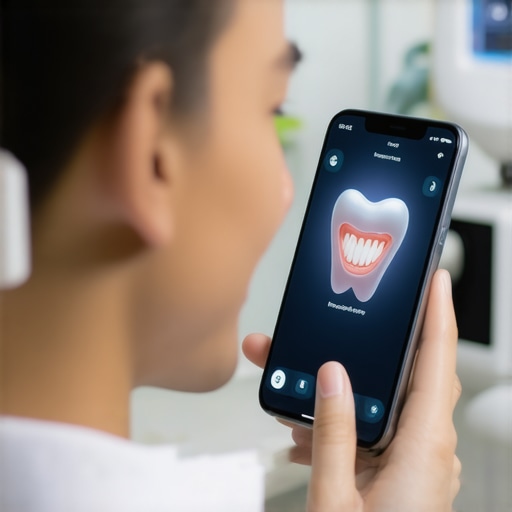
One essential tool I rely on is the oral health scanner app integrated with my smartphone. Devices like the Dental Monitoring System enable me to perform regular self-assessments by capturing high-resolution images of my teeth and gums. This technology, supported by advancements discussed in the Journal of Dental Research, provides early warnings of issues such as plaque buildup or crown misalignment, which I can then address promptly with my dentist.
Investing in Ultrasonic Cleaners
Keeping your tools and restorations clean is paramount. I highly recommend an ultrasonic toothbrush cleaner, like the Pico Sonic. This device uses high-frequency sound waves to remove plaque and bacteria from toothbrush bristles and dental appliances, extending their lifespan and maintaining hygiene. Regular cleaning of your Invisalign trays or crowns with such a device minimizes the risk of corrosion and discoloration, aligning with the trend towards more proactive maintenance in family dentistry.
Leveraging Software for Routine Reminders
To stay consistent, I utilize dental reminder apps—such as Dental Care Reminder—that send prompts for brushing, flossing, and replacing toothbrush heads. Incorporating these digital tools into your routine can prevent neglect and ensure you adhere to your dentist’s recommendations, thereby ensuring long-term results.
Peer into the Future of Oral Maintenance
Emerging technologies like AI-driven oral health analysis and home-use imaging devices suggest a future where maintenance becomes even more precise and personalized. I predict that within the next few years, integrating these tools into daily routines will become standard, making dental care more convenient and effective.
How do I keep my dental restorations in top shape?
Regular professional evaluations remain indispensable, but the small daily actions—like using an ultrasonic cleaner or monitoring with an app—are what truly preserve your smile. Don’t hesitate to try out a high-quality ultrasonic toothbrush cleaner; it could be a game-changer in your long-term dental health.
For further insight into maintaining your smile, explore how Invisalign compares to braces or discover advanced strategies in modern family dentistry techniques. Staying proactive today sets the foundation for a healthy, confident smile tomorrow.
Lessons Hidden in My Dental Journey That No One Tells You
- Trusting the materials used in restorations is crucial; I learned the hard way that choosing biocompatible options can save you from years of discomfort and strange tastes.
- Regularly monitoring your oral health with smart tools helped me catch issues early, preventing costly repairs and preserving my smile’s integrity.
- Patience and proactive care before problems escalate are key—waiting only increased my pain and expense. Now, I always advocate for timely dental visits.
- Understanding that each person’s mouth responds differently made me realize personalized treatment is the future, emphasizing the importance of a tailored approach over generic solutions.
- Simple daily habits, like using an ultrasonic cleaner and keeping a dental health journal, made a huge difference in maintaining my restorations and overall oral health.
My Go-To Resources That Actually Make a Difference
- FamilyDentistPro’s Invisalign vs. Braces guide: Offers honest comparisons that helped me decide what’s best for my lifestyle and smile.
- Ultimate crown guide: Deep insights into material choices and maintenance strategies, essential for long-lasting restorations.
- Family dentistry trends: Keeps me updated on latest tech and techniques that improve patient care.
- Top oral health tips: Practical advice I follow daily to ensure my entire family’s smiles stay bright and healthy.
Your Smile Awaits Its Best Chapter
Taking charge of your oral health and understanding the importance of tailored treatments can transform your confidence and quality of life. Don’t settle for generic solutions; empower yourself with knowledge and the right tools. Remember, your journey to a healthier, happier smile starts today—embrace it and make each step count!
What’s one personalized change you’re excited to try to improve your dental health? Let me know below.