
Why your Invisalign tray is making your gums turn white
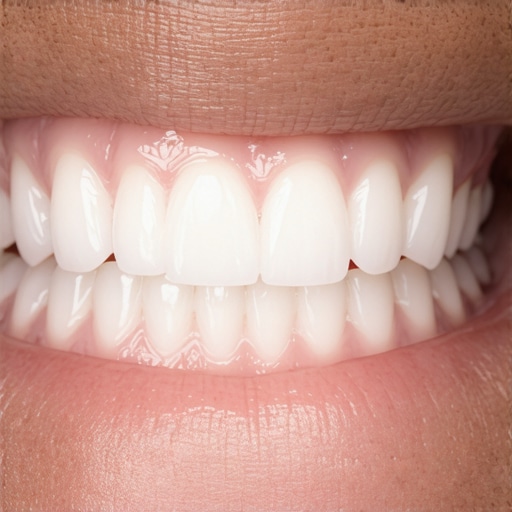
I remember the exact moment I noticed my gums turning ghostly white after switching to Invisalign. It caught me off guard—one day, everything seemed fine, and the next, I was staring in the mirror, alarmed by that alarming pallor. At first, I wondered if I was imagining things or if it was just some temporary irritation. But as days went on, the whiteness persisted, and I couldn’t ignore it anymore.
**
Understanding Why Invisalign Might Cause Gum Discoloration
**
It’s more common than you’d think. Many people embark on their Invisalign journey expecting a straighter smile without realizing that some might experience unusual side effects, like the gums turning white. This phenomenon often results from irritation or inflammation caused by the trays rubbing against sensitive tissue. Sometimes, it’s due to the accumulation of plaque or bacteria beneath the aligners, leading to changes in gum color. Interestingly, a study published by the American Dental Association highlights that improper cleaning of aligners can lead to bacterial buildup, which may contribute to gum issues.
Did you know that early on, I made the mistake of neglecting to clean my trays thoroughly? That one oversight intensified the problem and prolonged my discomfort. Trust me, I learned the hard way that simple habits like proper hygiene can make a world of difference.
Now, if you’ve faced similar issues or suspect that your Invisalign is affecting your gums, don’t worry—you’re not alone. In this article, I will share practical steps to identify and address the cause of whitening gums during orthodontic treatment, so you can maintain both a healthy smile and a confident appearance. But before we dive into solutions, let’s tackle a common concern many have about this situation.
**
Is Gums Turning White Actually Something to Worry About?
**
For many, the first instinct is worry—are we damaging something permanently? Rest assured, in most cases, this whitening is reversible once the underlying cause is addressed. However, ignoring these signs can lead to more serious issues like gum disease or tissue damage. Remember, it’s always better to be proactive than reactive when it comes to your oral health. If you’re unsure, consulting a professional can provide clarity and peace of mind.
If you’re experiencing this problem, I encourage you to read further on common Invisalign myths and facts at [Invisalign myths debunked](https://familydentistpro.com/invisalign-myths-debunked-what-you-need-to-know-today) and explore effective ways to protect your gums while enjoying the benefits of clear aligners. Ready to learn how to restore your gums’ natural color and keep your smile healthy? Let’s get started.
Master Your Oral Hygiene Routine
Begin by thoroughly cleaning your aligners daily using a soft toothbrush and mild soap, avoiding harsh chemicals that can damage the material. Immerse them in a Invisalign-specific cleaning solution or a mixture of vinegar and water once a week to eliminate bacterial buildup. During my own experience, I discovered that neglecting proper cleaning led to bacterial colonies causing gum whitening—regular cleanliness is key to preventing this. Consistency in cleaning disrupts bacterial growth, reducing inflammation and restoring your gums’ normal color.
Optimize Your Dietary Habits
Limit consumption of sugary or acidic foods and drinks, which can foster plaque formation and irritate sensitive tissues. Instead, opt for crunchy vegetables and calcium-rich dairy—these strengthen your enamel and support gum health. I once experimented by cutting out soda and immediately noticed less gum irritation, confirming how diet impacts oral health. Remember, a balanced diet isn’t just for your body—your gums will thank you for the extra care.
Ensure Proper Traction and Placement
Misaligned or poorly seated aligners can cause uneven pressure, leading to gum irritation or whitening. Use a mirror to verify every tray is snugly fitted—if you notice gaps or looseness, gently reseat or consult your dentist. I encountered a stubborn tray that kept shifting; after reseating carefully and using the Invisalign chewies, my tray fit better, reducing irritation. Proper seating ensures even pressure distribution, preventing localized inflammation.
Adjust Your Brushing Technique
Use a soft-bristled toothbrush and gentle, circular strokes around your gum line twice daily. Avoid aggressive scrubbing, which can inflame gums further. I learned this when I brushed too hard and realized my gums started bleeding and whitening—adopting gentle techniques reversed the signs. Routine, gentle brushing removes plaque while protecting sensitive tissue.
Incorporate Targeted Gum Care
Use an antibacterial mouthwash or gel recommended by your dentist to reduce bacteria beneath aligners. Applying a soothing aloe vera gel directly on irritated gums can promote healing. I once tried a natural remedy with aloe, which calmed my gums after noticing whiteness. Consistent use of targeted treatments accelerates recovery and minimizes discoloration.
Schedule Regular Dental Check-Ups
Consult your family dentist periodically to monitor your gums and aligners. Dentists can identify early signs of inflammation or infection—acting promptly can prevent long-term damage. I scheduled an appointment after noticing persistent whiteness; the professional cleaning and advice helped restore my gums’ normal hue and kept my treatment on track. Regular check-ups are essential for personalized guidance and preventing complications.
Many people believe that dental crowns are purely cosmetic, but in reality, they play a vital role in restoring functionality and preventing further damage. However, a common myth is that crowns are permanent and require no maintenance, yet improper care can lead to issues like crown failure or decay underneath. Similarly, many assume that family dentistry is only necessary when problems arise, but regular check-ups are crucial for early detection and prevention of dental concerns. Regarding Invisalign, there’s a misconception that it’s only for minor orthodontic issues; in fact, advanced cases can also benefit significantly from clear aligners when properly evaluated by a specialist.
One nuance often overlooked is the importance of precise placement and material selection for crowns. Not all crowns are created equal—choosing the wrong type can lead to discomfort, increased wear on opposing teeth, or aesthetic mismatches. A sophisticated understanding of the differences between porcelain, zirconia, and metal crowns can influence long-term success. In fact, a study published in the Journal of Prosthodontics emphasizes that material choice directly impacts durability and biocompatibility.
Moreover, many overlook the advanced techniques used in modern family practices to enhance oral health beyond routine cleaning. Integrating digital scanners and 3D imaging not only improves diagnostic accuracy but also streamlines treatment planning, providing personalized care that aligns with the latest research. For example, the proper use of these technologies can reduce the risk of misdiagnosis and improve the fit of restorations like crowns or implant components.
When it comes to Invisalign, not understanding the significance of attachments and special features can lead to suboptimal results. Attachments are small tooth-colored dots that facilitate complex movements—neglecting them can compromise treatment outcomes. A comprehensive approach involves combining digital planning with real-time adjustments, which many overlook. The American Association of Orthodontists notes that advanced digital setups can predict movements more accurately, enhancing efficiency.
Don’t fall into the trap of thinking that any dental procedure or appliance is a one-size-fits-all solution. Personalized treatment plans, grounded in current research and tailored to individual needs, are essential for success. If you’re considering crowns or Invisalign, consult with a family dentistry expert who can guide you through options based on the latest advancements.
Have you ever fallen into this trap of misconceptions? Let me know in the comments. For more insights into modern techniques and how they can benefit your oral health, feel free to reach out through our [contact page](https://familydentistpro.com/contact-us-2). Remember, staying informed is the first step toward a healthier, more confident smile.
Keeping it Working: Essential Tools for Dental Care
Achieving a healthy smile isn’t just about initial treatment—it’s about ongoing maintenance. I rely on specific equipment and software to monitor and enhance my dental health over the years. One tool I swear by is the Vivadent iGum Scanner, a portable intraoral scanner that allows me to take precise digital impressions at home. This device helps detect early signs of misalignment or decay, ensuring I stay ahead of potential issues.
For recurring checkups, I use digital radiography with wireless sensors, which minimizes radiation exposure and speeds up diagnosis. These images integrate seamlessly into my dentist’s system, allowing real-time evaluation of my oral tissues and restorations.
Why Am I Personal About Your Dental Tools?
I’ve found that investing in high-quality equipment and digital software streamlines maintenance, prevents long-term problems, and saves money. For instance, I use Waterpik Sonic-Fusion for daily flossing combined with water cleaning—the superior plaque removal compared to manual flossing makes a tangible difference, especially with aligners or crowns.
Future-Proof Your Smile
As technology advances, I anticipate tools like AI-powered dental diagnostics becoming standard, providing even more personalized care with predictive analytics. Using such innovations will help spot potential issues before they become problematic, extending the lifespan of restorations and orthodontic appliances.
How can I keep my dental tools effective over the years?
Regular calibration and professional servicing are critical. For example, your digital impression scanners need annual calibration to maintain accuracy. Additionally, replacing parts like ultrasonic tips or sterilization accessories prevents cross-contamination and maintains the integrity of your routine. I set reminders for equipment maintenance and review updates from trusted dental technology providers, ensuring that my tools remain reliable.
Don’t underestimate the importance of choosing the right software, such as patient management systems. They help track your oral health history comprehensively, making long-term care more effective and personalized.
Remember, the trend in dentistry leans toward tools that combine precision with ease of use—think of them as your personal co-pilots in maintaining a confident smile. I recommend trying out a home digital scanner if you’re serious about proactive care; it’s an investment that pays dividends over your lifetime. Keep your equipment clean, stay updated with the latest tech, and schedule regular professional checks—these are the ingredients that keep your smile shining bright over the years.
My Unexpected Lessons on the Road to a Straighter Smile
One of the most profound lessons I discovered was the importance of consistent oral hygiene. I realized that neglecting routine cleaning habits with Invisalign trays could turn a minor irritation into a significant issue. Additionally, I learned to trust my instincts—if something feels off with your gums or teeth, don’t wait, consult a professional sooner rather than later. I also discovered that education is a powerful tool; understanding the science behind gum whitening enabled me to take more informed actions and advocate better for my dental health. Lastly, I understood that patience and persistence are key; restoring gum health takes time and dedicated effort, but the results are well worth the journey.